
14 Ways to Reduce Bloating Naturally

14 Ways to Reduce Bloating Naturally Bloating is a common digestive issue that can leave you feeling uncomfortable, with a swollen or distended abdomen. While it’s often not serious, it can be quite bothersome and affect your quality of life. The good news is that there are many natural ways to reduce bloating and improve your digestive health. As the gut expert dietitian at 121 Dietitian, I’m here to share some effective strategies to help you combat bloating naturally. Understanding Bloating Before we dive into the solutions, it’s important to understand what causes bloating. Bloating occurs when excess gas builds up in your digestive system, or when your digestive system slows down. If you feel that you have other symptoms including unexplained weight loss, fatigue, change in bowel habits, nausea etc then please see your Dr or Physician. Common causes include: Consuming gas-producing foods Food intolerances Constipation Hormonal changes Stress Certain medical conditions The following are some excellent natural ways to reduce bloating and improve your digestive health. Stay Hydrated Proper hydration is crucial for good digestive health. Aim to drink at least 8 glasses of water a day. Herbal teas, especially those with digestive benefits like peppermint or ginger, can also be helpful. However, be cautious with carbonated drinks as they can introduce more gas into your system. Regular Exercise Physical activity can help stimulate digestion and reduce bloating. Even a short walk after meals can make a difference. Yoga can be beneficial for digestive health, with certain poses designed to aid digestion and relieve gas. Manage Stress Stress can have a significant impact on your digestive system. Try incorporating stress-reduction techniques into your daily routine, such as: Deep breathing exercises Meditation Progressive muscle relaxation Regular exercise Adequate sleep Identify Food Intolerances Some people experience bloating due to food intolerances or sensitivities. Keeping a food diary can help you identify potential trigger foods. If you suspect a food intolerance, it’s best to consult with a registered dietitian who can guide you and help you find the correct nutrient balanced diet. Incorporate Digestive-Friendly Foods Certain foods can help reduce bloating and support digestive health: Ginger: Known for its anti-inflammatory properties, ginger can help soothe the digestive system. Peppermint: Can help relax the muscles of the digestive tract. Fennel: Contains compounds that can reduce gas and bloating. Pineapple: Contains bromelain, an enzyme that aids digestion. Papaya: Contains papain, another digestive enzyme. Prebiotic-rich foods: Such as yogurt, kefir, and sauerkraut, which support gut health. Consider Herbal Remedies Some herbal teas may help reduce bloating: Peppermint tea: Can help relax the digestive system. Chamomile tea: Known for its calming effects on the stomach. Limit Gas-Producing Foods While everyone reacts differently to foods, some are known to produce more gas in the digestive system. If you’re prone to bloating, you might want to limit: Beans and lentils Carbonated drinks Chewing gum Try Abdominal Massage Gentle abdominal massage can help stimulate digestion and relieve gas. Try massaging your abdomen in a clockwise direction for a few minutes after meals. Use Heat Therapy Applying a heating pad or hot water bottle to your abdomen can help relax the muscles in your gut and relieve bloating. Consider Prebiotics Prebiotics are beneficial bacteria that support gut health. While more research is needed, some studies suggest that certain probiotic strains may help reduce bloating. foods include yogurt, kefir, and fermented vegetables. Probiotic supplements are also available, but it’s best to consult with a healthcare professional to determine if they’re right for you. Avoid Overeating Eating large meals can overwhelm your digestive system and lead to bloating. Instead, try eating smaller, more frequent meals throughout the day. This can help keep your digestion steady and reduce the likelihood of bloating. Be Mindful of Fiber Intake While fibre is essential for digestive health, increasing your fibre intake too quickly can lead to bloating and gas. If you’re trying to eat more fibre, do so gradually and make sure to drink plenty of water. Avoid Tight Clothing Wearing tight clothing, especially around your waist, can put pressure on your stomach and intestines, potentially exacerbating bloating. Opt for comfortable, loose-fitting clothes, especially after meals. Address Constipation Constipation can lead to bloating. If you’re experiencing constipation, try changing or increasing your fibre intake gradually, staying hydrated, and getting regular exercise. If these measures don’t help, consult with a healthcare professional. When to Seek Professional Help While occasional bloating is normal, if you’re experiencing persistent or severe bloating, it’s important to consult with a healthcare professional. They can help rule out any underlying medical conditions and provide personalised advice. At 121 Dietitian, we specialise in helping individuals manage digestive issues like bloating. We can work with you to identify potential triggers, develop a personalised nutrition plan, and provide support as you implement changes to improve your digestive health. Remember, everyone’s digestive system is unique, and what works for one person may not work for another. It may take some time and experimentation to find the strategies that work best for you. Be patient with yourself and your body as you work towards reducing bloating and improving your overall digestive health. By implementing these natural strategies, you can take significant steps towards reducing bloating and improving your digestive comfort. Remember, good digestive health is a key component of overall well-being, and small changes can make a big difference. If you want to book your programme TODAY we would love to help you. You can book a 121 Dietitian Programme today by clicking on the link below BOOK TODAY
Diversity Diet – Exploring the Benefits of Varied Eating
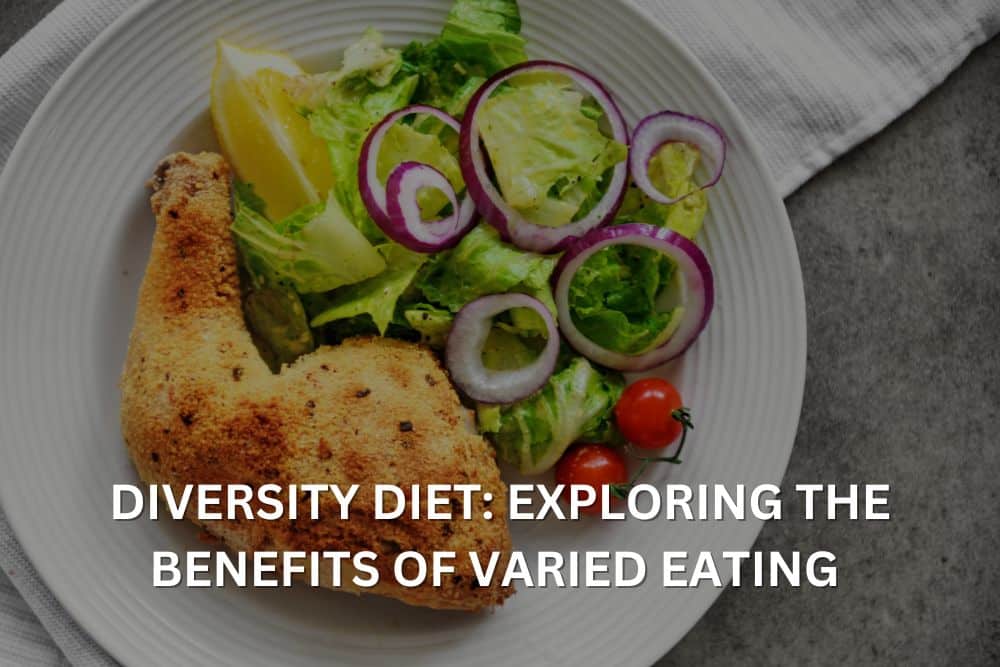
Diversity Diet – Exploring the Benefits of Varied Eating At 121 Dietitian, our days are spent educating others, which we absolutely love! Some individuals seek to improve their diets to help with health conditions or enhance sporting performance, while others aim to improve overall wellness and longevity. With the diverse range of people we see, there is one crucial aspect we ensure: a “diversity diet” or eating a varied diet. What does this mean, and why is it important? Let’s dive into the world of dietary diversity and explore its potential benefits and challenges. What is a Diversity Diet? A diversity diet, simply put, is an eating pattern that includes a wide variety of foods from all food groups. It’s not about restricting certain foods or following strict rules, but rather about embracing a broad range of nutrients through different food choices. The concept is based on the idea that no single food contains all the nutrients we need for optimal health. By eating a diverse range of foods, we increase our chances of getting all the essential nutrients our bodies require. You would be surprised at how many people do not eat a diverse diet and feel happy eating the same foods over again. Unfortunately, f these foods are ultra processed and beige this is not recommended for longer-term health risks. An unhealthy diet increases blood pressure, diabetes, heart disease, cancer, obesity mental health issues and much more. Benefits of a Diverse Diet: Nutrient Adequacy – Different foods provide different nutrients. By eating a variety of quality foods, you’re more likely to meet your body’s nutritional needs. Gut Health – A diverse diet can support a healthy gut microbiome. Our gut bacteria thrive on different types of fibre from various plant foods. Reduced Risk of Deficiencies – Eating a wide range of foods can help prevent nutrient deficiencies that might occur from a limited diet. Enjoyment and Satisfaction – Variety in our diet can make eating more enjoyable and satisfying, which can help with long-term adherence to healthy eating habits. Exposure to Beneficial Compounds – Different foods contain various phytochemicals and antioxidants that may have health benefits. Challenges of a Diverse Diet While a diverse diet has many benefits, it’s not without challenges: Cost: Some people might find that buying a wide variety of foods, especially fresh produce, can be more expensive. Time and Effort: Preparing meals with a variety of ingredients can be more time-consuming and require more planning. Availability: Depending on where you live, access to a wide variety of foods might be limited. Food Preferences: Some people, especially children, might resist trying new foods, making it challenging to introduce variety. Celery juice may also interact with certain medications like blood thinners because of its vitamin K content. How to Increase Dietary Diversity Try New Foods: However take your time, make it a goal to try one new healthy food each week. Eat the Rainbow: Choose fruits and vegetables of different colours to ensure a variety of nutrients. Vary Your Protein Sources: Alternate between different types of meat, fish, eggs, and plant-based proteins. Experiment with Whole Grains: Try different types of whole grains like quinoa, barley, or millet instead of always relying on wheat or rice. Explore Different Cuisines: Different cultures often use a variety of ingredients and cooking methods, which can help increase dietary diversity. Shop Seasonally: Buying seasonal produce can naturally increase variety throughout the year. Mix Up Your Meals: Try not to eat the same meals every week. Rotate your recipes and try new combinations. The Science Behind Dietary Diversity Research has shown that dietary diversity can have positive impacts on health. A study published in the American Journal of Clinical Nutrition found that greater dietary diversity was associated with a lower risk of metabolic syndrome, a cluster of conditions that increase the risk of heart disease, stroke, and diabetes. Another study in the British Journal of Nutrition found that higher dietary diversity was associated with better nutritional adequacy in adults. This means that people who ate a more varied diet were more likely to meet their nutritional needs. However, it’s important to note that not all studies have found clear benefits to dietary diversity. Some research suggests that too much diversity, particularly if it includes a lot of unhealthy foods, could lead to overeating and weight gain. This highlights the importance of focusing on variety within healthy food groups, rather than just eating a wide range of any foods. Dietary Diversity and Gut Health One area where dietary diversity seems particularly important is gut health. Our gut is home to trillions of bacteria, known as the gut microbiome. These bacteria play crucial roles in our health, from supporting our immune system to influencing our mood. We know from the research that a diverse diet can lead to a more diverse gut microbiome, which is generally considered healthier. Different types of fibre from various plant foods feed different types of gut bacteria, helping to maintain a balanced and diverse microbiome. A study published in the journal Nature found that people who ate more than 30 different plant foods per week had more diverse gut microbiomes than those who ate 10 or fewer. This diversity was associated with lower levels of antibiotic resistance genes in the gut, which could have implications for overall health. Case Study: Sarah’s Journey to Dietary Diversity Sarah, a 35-year-old working full time, came to see us at 121 Dietitian because she was feeling constantly tired and had frequent digestive issues. Upon reviewing her diet, Abby the dietitian noticed that Sarah’s meals were quite repetitive. She typically ate the same breakfast every day (toast with peanut butter), had a sandwich for lunch, and rotated between three or four dinner recipes. Abby suggested that Sarah try to increase the diversity in her diet. We worked together to create a plan: Breakfast: Instead of always having toast, Sarah started alternating between oatmeal with different toppings, Greek yoghurt with fruit and nuts,
Does Celery Juice Help with Bloating?

Does Celery Juice Help with Bloating? Bloating can be an uncomfortable and sometimes painful experience. Many people have turned to celery juice as a potential remedy, but does it really help? We are frequently asked numerous questions while working as dietitians and in our daily lives. Therefore, we decided to put together some questions that YOU might have but didn’t know who to ask! Let’s explore this topic and look at some other suggestions for reducing bloating. The Celery Juice Debate Celery juice has gained popularity in recent years, with some claiming it has miraculous health benefits, including reducing bloating. However, the evidence is mixed, and its effects can vary from person to person. Potential Benefits: Hydration: Celery is mostly water, which can help keep you hydrated and support digestive health Nutrients: Celery contains vitamins and minerals that may support overall health these include: potassium, vitamins A, C and K Digestive support: Some believe celery juice can stimulate stomach acid production, potentially aiding digestion Potential Drawbacks: High in FODMAPs: Celery is high in FODMAPs, which can cause bloating in some people, especially those with IBS Fibre removal: Juicing removes the beneficial fibre from celery, which is important for gut health Individual reactions: Some people may experience increased bloating when drinking celery juice Celery contains toxicants —furanocoumarins and psoralens—which can cause skin issues and may result in liver damage. Celery juice may also interact with certain medications like blood thinners because of its vitamin K content. Are there any other interesting foods and drinks available that can help reduce bloating? Peppermint Tea Peppermint tea is a very popular natural remedy for digestive issues, including bloating. It contains menthol, which has an antispasmodic effect on the digestive tract. Antispasmodic means it can help relax the muscles of your digestive system, potentially reducing bloating and gas. Some studies have shown that peppermint oil can help alleviate symptoms of irritable bowel syndrome (IBS), including bloating. A natural option to certainly try if you suffer occasional bloating. Lemon Water Starting your day with a glass of warm lemon water can help stimulate your digestive system and promote regularity. Lemons are a natural diuretic, which means they can help reduce water retention and bloating. The citric acid in lemons may also aid in digestion by increasing stomach acid production. As with everything in life what can work for one may not work for another so this one may assist if you are not suffering from GERD (gastro-oesophageal reflux disease) and you ensure you look after your teeth. Papaya Papaya contains an enzyme called papain, which helps break down proteins in your digestive system. This can lead to improved digestion and reduced bloating. Papaya is also rich in fibre, which can help prevent constipation, another common cause of bloating. Papaya tastes lovely but relying on this is not economical in countries that import this fruit. Eating a Diverse diet of fruits and vegetables would be more beneficial overall. Fennel Fennel has been used for centuries as a digestive aid. It contains compounds that can help relax the muscles in your digestive tract, reducing gas and bloating. You can enjoy fennel as a vegetable, brew it as a tea, or chew on fennel seeds after meals to aid digestion. For those with additional gut issues like IBS fennel needs to be consumed in careful amounts. Turmeric This bright yellow spice has anti-inflammatory properties that can help soothe the digestive system along with general body inflammation. Curcumin, the active compound in turmeric, may help reduce gas and bloating. Adding turmeric to your cooking is simple a little more challenging maybe is the social media go-to “turmeric latte”. We haven’t been brave enough to try this but if you have do let us know what its like on one of our channels: Insta, FB, GMB!! Pineapple Pineapple similar to papaya contains an enzyme that aids in the digestion of proteins, this one is called bromelain. This can help reduce bloating and other digestive issues. Pineapple is also rich in fibre and water content, which can help prevent constipation. Lovely to eat it’s a super tasty fruit however be aware the bromelain is not present in tinned pineapple due to the high heat of canning. Bone Broth Bone broth is another popular “gut healer” rich in amino acids, particularly glutamine, it is certainly soothing on the gut lining and therefore may help to settle digestion and as it is easy to digest it is recommended for those with sensitive stomachs. Our findings at 121 Dietitian is to be aware if consuming for a few reasons: Overconsumption – those with gut symptoms looking for a gut reset can end up too long on this and cause issues with malnutrition and disordered eating where they struggle to resume foods into their diet again. Bone broth can in the sensitive person trigger histamine intolerance which can increase not decrease symptoms so need to be mindful. Glutamates present can trigger anxiety and pain if sensitive. Coconut Water Coconut water is high in potassium and can help balance out sodium levels in your body, potentially reducing water retention and bloating. It’s also naturally hydrating, which can help prevent constipation. Care however needs to be taken with drinking coconut water as the high potassium levels can be dangerous for those with poor kidney function, and those who are active it may not be the answer for your electrolyte balancing. Remember, while these foods and drinks may help reduce bloating for many people, everyone’s digestive system is different. What works for one person may not work for another. It’s always a good idea to introduce new foods gradually and pay attention to how your body responds. We hope you found this information interesting and helpful in addressing the original question and although some people may find celery juice helpful in reducing bloating, it’s not a one-size-fits-all solution. If you decide to try celery juice, pay attention to how your body responds. For many individuals, making simple lifestyle
The Truth About Gluten – Separating Fact from Fiction

The Truth About Gluten – Separating Fact from Fiction Gluten has emerged as a contentious topic in the health and wellness world over recent years, frequently sparking discussions and considerable confusion amongst consumers and experts alike. This complex protein, found primarily in wheat, barley, and rye, has become a focal point of numerous dietary trends and medical debates. In this comprehensive blog post, we aim to shed light on the often misunderstood subject of gluten, carefully examining its role in nutrition and health. We shall endeavour to unravel the intricate web of information surrounding gluten, systematically addressing and dispelling common misconceptions that have bombarded popular media and online forums. By presenting evidence-based facts and expert opinions, this blog should provide you with a clear, unbiased understanding of gluten’s impact on human health. Furthermore, we will delve into the crucial question of who should genuinely consider eliminating gluten from their diet and explore the underlying reasons for such dietary modifications. This discussion will encompass various medical conditions, including coeliac disease, non-coeliac gluten sensitivity, and wheat allergy, highlighting the distinct challenges faced by individuals with these diagnoses. What is Gluten? Gluten is a complex group of proteins predominantly found in wheat, barley, and rye grains. These proteins play a vital role in the structure and texture of many baked goods and other food products. Gluten’s unique properties give dough its characteristic elasticity, allowing it to stretch and rise during the baking process, whilst also helping it maintain its shape once cooked. The two primary proteins that form gluten are glutenin and gliadin, which combine when flour is mixed with water. This combination creates a network of proteins that gives bread its chewy texture and allows it to trap air bubbles, resulting in a light and airy final product. Its prevalence extends beyond just bread and pasta; gluten can be found in a wide array of processed foods, including sauces, soups, and even some unexpected items like sweets and crisps. The widespread use of gluten is due to gluten’s ability to act as a binding agent, thickener, and flavour enhancer in various food applications. For individuals with coeliac disease or gluten sensitivity, awareness of gluten’s presence in foods is particularly important for maintaining their health and well-being. As a result, the food industry has seen a significant increase in gluten-free alternatives to cater to these dietary requirements. Common Myths about Gluten Myth 1: Gluten is bad for everyone. Gluten, a protein found in wheat, barley, and rye, has been the subject of much debate in recent years regarding this. However, it is crucial to understand that gluten is only harmful to individuals with specific medical conditions such as coeliac disease or non-coeliac gluten sensitivity. For the vast majority of the population, gluten is a harmless protein that can be safely consumed as part of a balanced diet. Coeliac disease affects approximately 1% of the population, whilst gluten sensitivity is estimated to affect up to 6% of people. Myth 2: Gluten-free diets are inherently healthier. Contrary to popular belief, gluten-free diets are not necessarily healthier for those without gluten-related disorders. In fact, they can often lack essential nutrients found in gluten-containing grains, such as fibre, iron, and B vitamins. Many gluten-free products are highly processed and may contain added sugars, fats, or artificial ingredients to improve taste and texture. It’s important to note that a well-planned gluten-free diet can be healthy, but it requires careful consideration to ensure nutritional adequacy. Here at 121 Dietitian, we have been creating gluten-free diets for years so appreciate how confusing this can all be and here to help if you are struggling too. Myth 3: Gluten causes weight gain. The suggestion that gluten directly causes weight gain is not supported by scientific evidence. Weight gain is not linked to gluten consumption but rather to the overall diet and calorie intake. Factors such as portion sizes, total caloric intake, quality of foods selected and the balance of macronutrients play a more significant role in weight management. Some individuals may experience weight loss when adopting a gluten-free diet, but this is often due to not knowing what to eat, ongoing symptoms reducing appetite, and the change from high-calorie, processed foods rather than the absence of gluten itself. Understanding Gluten-Related Disorders Coeliac Disease Coeliac disease, also spelt celiac disease in some parts, is a complex autoimmune disorder that affects the digestive system. This condition is triggered by the consumption of gluten, a protein found in wheat, barley, and rye. When individuals with coeliac disease ingest gluten, their immune system responds by attacking the small intestine, leading to damage of the intestinal lining. The symptoms of coeliac disease can vary significantly from person to person, but commonly include a range of digestive issues such as abdominal pain, bloating, diarrhoea, and constipation. Additionally, sufferers may experience anaemia due to poor nutrient absorption, which can result in fatigue, weakness, and shortness of breath. Other symptoms may include unexplained weight loss, skin rashes, and neurological problems like headaches or brain fog. Diagnosis of coeliac disease typically involves a two-step process. Initially, blood tests are conducted to detect specific antibodies that are elevated in people with the condition. If these tests suggest coeliac disease, the next step is usually a biopsy of the small intestine. This procedure involves taking small tissue samples to examine for damage characteristic of the disease. It’s important to note that for accurate diagnosis, individuals must continue to consume gluten before and during the testing process. Treatment for coeliac disease primarily involves strict adherence to a gluten-free diet, which allows the small intestine to heal and symptoms to improve. With proper management, most people with coeliac disease can lead healthy, symptom-free lives. Coeliac History The understanding of coeliac disease has evolved significantly over centuries. The earliest known description dates back to the 2nd Century AD, when Aretaeus of Cappadocia, a Greek physician, detailed a malabsorptive diarrhoea affecting children. In 1888, English paediatrician Samuel Gee observed that children suffering from chronic indigestion
The Role of Plant-Based Diets in Promoting a Healthy Gut
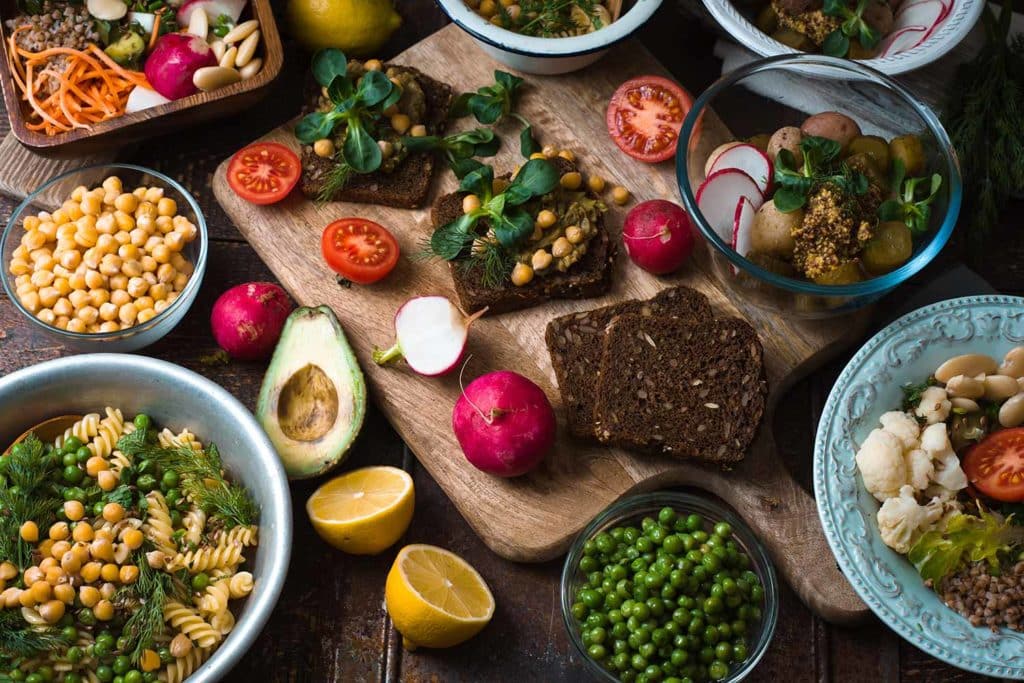
The Role of Plant-Based Diets in Promoting a Healthy Gut In recent years, the connection between our diet and gut health has become increasingly the focus as the link between gut to overall health is so important. Plant-based diets, in particular, have emerged as a powerful tool for promoting a healthy gut microbiome. In this article we will be exploring the benefits of plant-based eating for gut health and introduce two key concepts: the ’30 plants a week checklist’ and ‘plant points’. Why Plant-Based Diets Matter for Gut Health Plant-based diets are rich in fibre, vitamins, minerals, and phytochemicals, all of which play crucial roles in maintaining a healthy gut. Here’s how: Fibre: Plants are the primary source of dietary fibre, which acts as fuel for beneficial gut bacteria. As these bacteria ferment fibre, they produce short-chain fatty acids that feed the gut lining and help reduce inflammation. Diversity: A varied plant-based diet introduces a wide range of nutrients and compounds that support a diverse gut microbiome. This diversity is the key to a resilient and healthy gut ecosystem. Antioxidants and phytochemicals: Many plant foods are rich in antioxidants and phytochemicals, which can help reduce oxidative stress and inflammation in the gut. Prebiotics: Certain plant foods contain prebiotics, which specifically feed beneficial gut bacteria. The ’30 Plants a Week Checklist’ One effective strategy for improving gut health is the ’30 plants a week checklist’. This concept encourages individuals to consume 30 different plant foods each week. Here’s why it’s beneficial: Diversity: By aiming for 30 different plants, you naturally increase the variety in your diet. Nutrient density: Different plants offer different nutrients, ensuring a wide range of beneficial compounds for your gut. Mindful eating: The checklist encourages more conscious food choices and meal planning. To implement the ’30 plants a week checklist’, consider: Including a variety of fruits, vegetables, nuts, seeds, legumes, and whole grains in your meals. Experimenting with new plant foods each week. Using herbs and spices, which also count towards your plant diversity. Plant Points: A Simple Way to Track Your Plant-Based Progress. The concept of ‘plant points’ is another useful tool for those looking to increase their plant intake for better gut health. Here’s how it works: Assign one point to each unique plant food you eat. Aim to accumulate as many plant points as possible throughout the week. Challenge yourself to increase your plant points over time. Plant points can make the journey towards a more plant-based diet fun and engaging. It’s not just about eating more plants, but about eating a wider variety of plants. Implementing a Plant-Based Diet for Gut Health. While moving towards a more plant-based diet can seem daunting, here are some practical tips to get started: Start slowly: Begin by adding one to two new plant food to your diet each week. Make simple swaps: Replace some animal-based products with plant-based alternatives in familiar recipes. Embrace whole foods: Choose whole plant foods over processed alternatives when possible. Plan your meals: Use the ’30 plants a week checklist’ as a guide for meal planning. Stay hydrated: Adequate water intake is crucial for gut health and helps your body process the increased fibre intake. This advice is important for all ages – many children do not eat enough fibre. For small children however you need to be careful as small tummies can fill up too much with low energy foods. A Dietitian can help create a healthy diet for your child if you are needing assistance. Potential Challenges and Solutions While plant-based diets offer numerous benefits for gut health, they may present some challenges: Digestive discomfort: A sudden increase in fibre intake can cause bloating or gas. Solution: Increase your plant intake gradually and stay well-hydrated. Nutrient concerns: Some worry about getting enough protein or certain vitamins on a plant-based diet. Solution: Ensure a varied diet and consider speaking with a registered dietitian for personalised advice. Social situations: Eating out or at social gatherings might seem challenging. Solution: Plan ahead, focus on the plant-based options available and if you know there is not going to be much then be more conscious in the meals and snacks around the event. An Example: Breakfast: Oatmeal with: Blueberries, flaxseeds, milk Snack: mix with: Almonds, Walnuts, 4-5 sultanas Lunch: salad with: Quinoa, Chickpeas, Cucumber, peppers, tomatoes, red onion Parsley Snack: Veggie sticks with Carrots, Celery, and cream cheese Dinner: Stir-fry with: Brown rice, Broccoli, peas, red cabbage, Tofu or prawns with ginger, Soy sauce, and Garlic Dessert: Fruit 6-8 Strawberries Adopting a more plant-based diet can significantly benefit your gut health. The ’30 plants a week checklist’ and ‘plant points’ system are excellent tools to help you increase the diversity and quantity of plant foods in your diet. Before I go I just want to mention that it is still important to continue to eat proteins from various sources. The message for change to more plants is that populations across the globe are eating beige foods only with proteins from processed poor-quality choices which is damaging their health. Protein from good-quality lean meats, poultry, and fish should not be removed. They should remain as part of this balanced approach if you are not vegan or vegetarian. Eggs, meat alternatives like tofu and tempeh and dairy are also important parts of the diet to regularly consume. Eat them alongside a rainbow and you will be doing the best you can. So, the key message here is every step towards a more plant-rich diet is a step towards better gut health and if you’re struggling with gut health issues or need personalised guidance on implementing a plant-based diet, then consider seeking professional help. If you are experiencing gut health issues or looking to optimise your diet for better gut health check out Gillian’s specialist programmes at 121 Dietitian. My expertise and personalised approach a tailored plan will be created for you to improve your gut health and overall wellbeing. With over 30 years of experience in dietetics
Revolutionizing Gamer Health: A Guide to Gastrointestinal Wellness Through Diet and Lifestyle

Gamers, Listen up! It’s time to level up your health game..Gillian Killiner is on a mission