
Natural Alternatives to Weight Management: A Dietitian’s Perspective on the Ozempic Trend
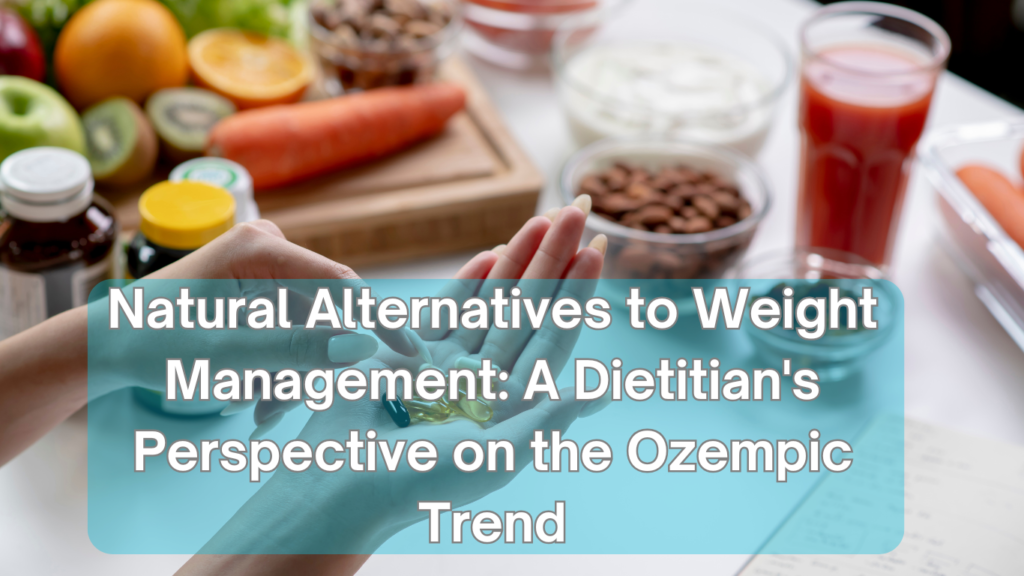
Are injectable medications like Ozempic the only answer to weight management? As recently featured in The Independent, I’ve shared insights on natural alternatives to help manage weight and appetite effectively—without relying on medication.
Discover how simple changes, such as a protein-rich diet, fibre-filled meals, regular exercise, stress management, and quality sleep, can naturally reduce cravings and enhance your overall health.
Ready to learn more? Explore my full guide on natural, sustainable approaches to weight management today.
The Importance of Protein for Health
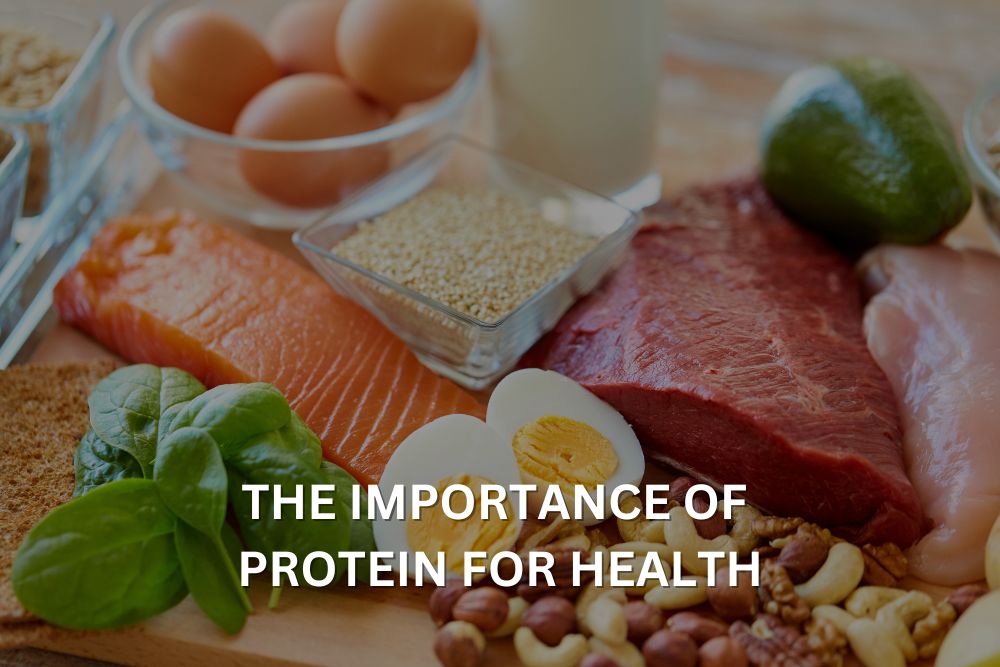
Protein is one of the most essential nutrients your body needs to function optimally.
Sports Nutrition looking forward
Sports Nutrition The field of sports nutrition is vast. Personalised performance nutrition can be super confusing with so many options to choose from. This blog dives into the following: The basics for you to be optimal What is the ultimate approach Research and the future in sports nutrition It can be all too easy to get it wrong or spend a fortune on a quick fix, or several! I see this every day in my clinic and also when I provide nutritional advice to followers on my fitness friend Caroline Girvan’s Facebook page in my Sunday live 1-hour session. As I have been involved in the world of Nutrition and health for over 25 yrs, including successfully working with athletes for the commonwealth games and Olympics, I love looking forward to what new ideas are ahead. Sports Nutrition – First things first Some background advice on getting you optimized! No point in not having the basics nailed….So. Know that you have to adopt a balanced real food approach that is nutrient-rich, otherwise, you will be disappointed with the amount of training, supplements or protein powder you pack in. These alone will not fix your physique or do anything for your health. 80% of success IS nutrition but the biggest part of this is consistency – whether it is counting macros, intermittent fasting, keto, the cabbage soup or Atkins these are all names of various dietary restrictions either by changing timings, altering nutrient intake e.g. fats or increasing fluids to reduce hunger etc but all in all they point to a kcal deficit to be successful. Are they successful – Sadly not all, and if they are they are often short-lived. I see many many hundreds of desperately miserable people doing everything they can to follow these restrictions. They may start well and see some changes but when something is too difficult, things slip and the feeling of failure can occur. I am firmly against this as Yo-Yo -dieting decreases energy expenditure, increases energy intake, and impairs brain-periphery communication. The Ultimate sports nutrition approach What many people HATE me telling them AND what works for the majority for the longterm is. Clever intuitive eating It is important to get the right mindset for this. You need to know that your body is not determined by numbers but by genetics, emotions, your food and life choices and all these interact with your overall diet and health. Bizarrely the belief that “no pain no gain” and a strict impossible plan is the answer, pushing the responsibility to someone else -and how many times do I hear the list of people that one person has taken a plan from and when it doesn’t work – it all stops and food becomes the comforter again. It’s true if you are totally confused by the past 30 yrs of inaccurate nutritional info, being able to choose your own nutrient-rich meals, snacks, fluids, party foods etc that are not on a strict plan can be overwhelming. If this is you then it may be worth working with someone (a nutrition expert) for a while, just to make sure you know what is necessary for you and you are able to enjoy it for the long term. That’s what we love and are experts in! Training to see ripped muscles takes far longer for many than they anticipate. As a beginner hypertrophy (building muscle) can be more difficult to achieve as the body is making neural adaptations. Progress and increasing strength allows for muscular growth but it does take time and patience. And finally – sufficient fluid intake and the types consumed are definitely overlooked. Fluid and enough fluid is critical to prevent dehydration, overheating causing confusion, low energy, and mood change, and also if ongoing can link to constipation and kidney stones. The Future of Sports Nutrition Research So what’s out there? It’s always a buzz to know brand-new areas are emerging with exciting products. Companies are more and more using science to optimize performance and especially important post-COVID with the resurgence in exercise, the gym and the importance of getting and staying healthy. Muscle Mass Everyone wants to build muscle right? Well, when I was starting out 25yrs ago that was not the case and it used to be for a few men in the gym and for really beefing up it was just a select few bodybuilders in competitions! Now we know that building muscle at all stages of life is mega important. Research into the physiology of improving muscle mass and strength is massive! While protein is the most important in terms of dietary supplementation, other researched ingredients include nitrogen oxides, nitrates, and creatine and these are used by millions daily. Carnosine and beta-alanine are also on the radar in muscle physiology research and may certainly be in some of your cupboards already! Carnosine is a naturally forming dipeptide (two linking amino acids beta-alanine and histidine) specifically found in the tissues of the body when they are active. Carnosine is also located in the heart, brain, and other parts of the body and is known to improve muscle strength and performance during exercise. Beta-alanine is a naturally occurring amino acid that supports the synthesis of muscle carnosine in the body. It is known to delay the onset of muscle fatigue and failure and is found in foods such as certain meat turkey, chicken, beef, pork and fish. It combines with the amino acid histidine to form the dipeptide called carnosine. This helps delay the onset of lactic acid and muscle fatigue and failure while building endurance and improving recovery. Hydration We know water is the best fluid to drink before exercise. Drinking 2-3 litres per day depending on your requirements is perfect especially if your activity is less than one hour. However, if you exercise for longer an isotonic sports drink with carbohydrates and sodium, and possibly potassium, calcium, and magnesium before and during exercise can be beneficial. There are gazillions out there
Pistachio nut- interesting facts
Pistachio nut day is on 26th February 2022 We love pistachio nuts here at 121 Dietitian. So when we spotted there was a special world pistachio nut day we felt we had to give them a big shout out! Pistachios are good for you! Pistachio nut facts: • Pistachio are nuts native to Western Asia and Asia Minor, archaeology suggests that pistachios were eaten as a common food as early as 6750 BC. Wow!• They are one of the more expensive of the nuts out there because of the trees on which they grow. It only reaches production 15-20 years after being planted. Isn’t that crazy!• Pistachio trees can only produce about 22kg of nuts each year. Furthermore, pistachios are sorted by hand and not by machine.• Pistachio trees can only grow in cool winters and hot summers, meaning that there’s only a few locations in the world where the trees can grow.• Iran is the biggest producer of pistachio nuts ahead of USA and then Turkey. How to eat Pistachio nuts: When eating pistachios from the shell, split the shell and eat the small kernel inside. The kernel may have a thin skin on it that do eat this for upping polyphenols. If you find a nut in a shell that doesn’t pry apart easily, simply use a nutcracker to open it up. As a snack. Eating pistachios raw or roasted. Both in-shell and shelled pistachios are available in grocery stores. Over salads. Shelled pistachios (either whole or chopped) are often sprinkled over salads. Pistachios can also be puréed and mixed with oil and herbs to make a creamy salad dressing. Ground into sauces. Ground pistachios are popular as a base for sauces and dips, like pistachio-yogurt sauce. Added to bread dough. Ground pistachios can be added to bread dough to give it a thicker texture with extra protein. In desserts. Chopped pistachios are commonly mixed into or sprinkled atop desserts like ice cream, cake, truffles, and pastries. Pistachio nuts are also a common ingredient in dishes from an array of cultures: • In Turkish dishes. Pistachios are most well-known in Turkish recipes for being minced and layered in the traditional baklava.• In Italian dishes. Pistachios are a common addition to Italian pastas, either chopped and mixed in to the noodles or ground and made into a spiced pistachio sauce.• In Indian dishes. Indian food makes ample use of pistachios, and they’re a staple ingredient in many Indian rice puddings, pilafs, cookies, and a spiced pistachio fudge called pista barfi.• In Iranian dishes. Pistachios are a common ingredient mixed into Iranian chicken and rice dishes, and also served as a traditional Persian snack, roasted with lemon juice and saffron and tossed with sea salt. What are the health benefits of Pistachio nuts? – Nutrition Pistachios are high in fibre: Eating pistachios can improve your gut health if you have no ongoing dysbiosis issues. Rich fibre foods help move food through the gut and prevent constipation and may help reduce the risk of colon cancer. Pistachios are high in antioxidants: Pistachios are known to contain antioxidants that have strong cancer-fighting properties and cardiovascular disease prevention. Furthermore, pistachios also contain lutein and zeaxanthin, two carotenoids that will help you maintain eye health and overall immunity. Pistachios are great for vegans and vegetarians: With protein accounting for almost 21% of the total weight of the nut, pistachios contribute almost 6% to a person’s daily protein needs. For plant-based diets, pistachios provide that much-needed protein. Relative to other tree nuts, pistachios have a lower amount of fat and calories but higher amounts of potassium, vitamin K, γ-tocopherol, and certain phytochemicals such as carotenoids, and phytosterols. A handful of pistachios (45) contain 156 calories, 3 grams of fibre, and are one of the most vitamin B6-rich foods around. Do you enjoy eating pistachio’s? They are so tasty if you haven’t tried them. Don’t continue to miss out, try them as part of a bigger plan to increase variety in your diet. If you are unsure of how to change your eating habits, or need help optimising the foods you eat please do contact us. We would love to help you or your family and friends with any nutrition related queries big or small. In the meantime do please check out our 121Dietitian Shop If you have enjoyed this blog we would love you to share this with your family and friends on your social media channels. Why not visit our YouTube Channel for more on keeping your health optimal. How can a Dietitian help Book a consultation via our Online Portal About Gillian Killiner Check out our tailored dietary programmes Gillian x [instagram-feed]
Healthy Snacks For Kids and Teens going back to school…
The kids are back to school. Now the headaches is what to feed them each day. Having 3 kids I know how challenging feeding them Healthy Snacks can be! ?Your child is going to need nutrients for brain power and the additional exercise they may not have been availing of for the last few months. ? Don’t fall for the high-fat, nutrient-poor snacks that are lining our supermarket shelves. Here is a list of a few healthy snacks with a twist: Healthy Snacks for all the family ? Peel a banana and dip it in yogurt. Roll in crushed pecans and freeze? Spread celery sticks with peanut butter or cream cheese. Top with raisins. Stuff a whole-grain pita pocket with cream cheese and apple slices. Add a dash of cinnamon. Take 2 oat cakes top with Greek yoghurt add some raspberries and enjoy. Put cubes of cheddar cheese and grapes on pretzel sticks. Spread peanut or almond butter on apple slices.? Take semi skimmed milk, frozen strawberries or raspberries or blueberries add some oats and seeds blend for thirty seconds for a delicious smoothie. Use wholemeal thins to make tasty sandwiches fill with colourful salad and home cooked meats like gammon, chicken or prawns, egg, houmous…??? Sprinkle grated cheese over a wholemeal tortilla; fold in half and microwave for twenty seconds. Top with homemade avocado guacamole, cucumber, peppers, tomato salsa.?️ Heat homemade soup: mushroom, tomato or chicken, bean and vegetable soup and enjoy with oat cakes and pate. Sprinkle grated Parmesan cheese and smoked paprika on hot popcorn. Banana pancakes – mash 1 ripe banana, add 1 egg and some wholemeal flour and mix – cook on pan in a little butter. No need to add anything as sweet enough. Spread mayo on a wholemeal tortilla. Top with a slice of turkey or ham, cheese, tomato and lettuce. Flavour with herbs and spices. Then roll it up ? Mini Pizza: Toast the bottom of an English muffin, add some passata on the top and sprinkle with mozzarella cheese and vegetables and grill. Fruit kebabs. Make fruit exciting by threading melon, grapes and pineapple chunks on a wooden skewer. Dark chocolate- 2 squares place in a cup add boiling water and top with milk.☕ Snacks to say “no” to: Chocolate type biscuit bars are not filling and high in sugar and saturated fat. Soft drinks. Eight to 10 teaspoons of sugar are found in the average can of soft drink. All sugar and no nutrients is not healthy and can lead to health problems like diabetes and weight gain. Read more about Sugar in our recent blog here. Sweets. Even when disguised with the word “fruit” included- avoid. A healthy snack provides good quality nutrients and protein —- something that sweets do not provide. Snack pots eg: ham, cheese, and biscuits – these are all highly processed in plastic packaging. Make your own with home made ingredients – much fresher and again less waste using a Tupperware box. Crisps are high in salt and saturated fat. Keep to a minimum. Top Healthy Snack tips: ✔️Buy some Tupperware boxes to reuse in small and large sizes tocarry food to school (reduces single use plastic waste). ✔️Use refillable water bottles for water. Try the glass ones that don’t break. ✔️Having the food at home means you are eating out lesswhich will save you money too! These are just a few of our random Healthy Snack suggestions to get you thinking. If you have any Healthy Snacks please let us know. If you are unsure of how to change your eating habits, or need help optimising the foods you eat please do contact us. We would love to help you or your family and friends with any nutrition related queries big or small. In the meantime do please check out our 121Dietitian Shop If you have enjoyed this blog we would love you to share this with your family and friends on your social media channels. Why not visit our YouTube Channel for more on keeping your health optimal. How can a Dietitian help Book a consultation via our Online Portal About Gillian Killiner Check out our tailored dietary programmes Gillian x [instagram-feed]
Essential Nutrition for Recovery after Surgery (Part 2)
Essential Nutrition for Recovery after Surgery (Part 2) In this follow up to our essential Nutrition & Surgery focus part one, Director and Principal Dietitian Gillian Killiner, continues in this blog to discuss the key role that vitamins and minerals play in helping your body recover after surgery. Vitamin A – essential for recovery after surgery Vitamin A is commonly known as the anti-infective vitamin for surgery. It is central to normal functioning of your immune system. Vitamin A is also needed to maintain the integrity and function of your skin and mucosal cells. When you enter a hospital or clinic for surgery, many things will stress you. You will also be exposed to bacteria and viruses that your system is not used to. Infection will quickly use up your vitamin A stores. In this way, infection starts a vicious cycle, because not enough vitamin A is related to increased severity and likelihood of death from infectious disease. It is important to go into surgery with a good supply of vitamin A in your tissues. You will need to continue consuming enough vitamin A to keep those levels optimal. Vitamin A rich foods include: beef liver, carrots, sweet potato, kale, romaine lettuce, apricots, broccoli, butter, eggs, cantaloupe melon and red pepper. Vitamin E essential nutrition for recovery after surgery The main function of vitamin E in humans is as an antioxidant which are known to neutralizes toxic radicals in the cells. Vitamin E has been shown to improve immune system functions that decline as people age. It helps increase blood flow. It does this by preventing blood clots and relaxing blood vessel walls. These properties all shorten post surgery recovery time. Vitamin E rich foods include: sunflower seeds, almonds, hazelnuts, mango, avocado, butternut squash, broccoli, spinach, kiwi and tomatoes. Vitamin D – essential for recovery after surgery Vitamin D is a fat-soluble vitamin needed for normal calcium metabolism. You make vitamin D in your skin when you are in the sun without clothing or sunscreen. Vitamin D regulates your immune system function during times of stress. Adequate vitamin D levels are important for decreasing the risk of high blood pressure. If you do not have enough vitamin D you can prolong your recovery time. With deficiency you will not absorb enough calcium. Then your body will steal calcium from your bones. This will increase complications and longer term your risk of osteoporosis and other health problems. Vitamin D deficiency causes muscle weakness and pain. Obesity increases the risk of vitamin D deficiency. Once vitamin D is made in the skin or ingested, it is deposited in body fat stores. Storage makes it less available especially to people with large amounts of body fat. Vitamin D rich foods include: halibut, mackerel, salmon, rainbow trout, cod liver oil, sardines, tuna and eggs. Iron – essential nutrient for recovery after surgery Iron is required for a number of vital functions, including growth, reproduction, healing, and immune function. You need the right amount of iron for hundreds of proteins and enzymes. Post-operative anaemia is associated with poorer surgical outcomes including infections, increased length of hospital stay, circulatory overload, and death. Iron rich foods include: spirulina, liver, beef, lentils, dark chocolate, spinach, sardines, black beans, pistachios and raisins. Copper – essential for recovery after surgery You must have enough copper in your system for normal iron metabolism and red blood cell formation. Anaemia is a sign of copper deficiency. Copper is required for you to be able to move iron to your bone marrow for red blood cell formation. Vitamin A deficiency will make iron deficiency anaemia worse. Taking a combination of vitamin A and iron will protect you from anaemia better than either iron or vitamin A alone. Copper rich foods include: beef liver, shitake mushrooms, cashews, chickpeas, kale, cocoa powder, sesame seeds, quinoa, almonds, lentils and chia seeds. Calcium essential nutrition for surgical recovery Calcium is the most common mineral in the human body. About 99 percent of the calcium in your body is found in your bones and teeth. The other one percent is found in your blood and soft tissue. The functions of calcium are so vital to survival that the body will steal calcium from your bones. It does this to keep blood calcium levels normal when your calcium intake is too low. Calcium plays many important roles. It is vital in controlling the constriction (closing) and relaxation (opening) of your blood vessels. It also aids proper nerve impulses, muscle contraction, and release of your hormones. Calcium is a key factor for good recovery from any surgery involving your bones. Only about 30 percent of the calcium in your food is actually absorbed in your digestive tract. You lose a certain amount of calcium in your urine every day. This depends on how much caffeine you drink. Too much or not enough protein in your diet will affect your calcium absorption and the strength of your bones. Calcium rich foods include: kale, sardines, yoghurt, broccoli, watercress, cheese, bok choy and almonds. Magnesium – essential nutrition for recovery after surgery Magnesium plays important roles in the structure and the function of the human body. Over 60 percent of all the magnesium in your body is found in your bones. About 27 percent is found in muscle, while six to seven percent is found in other cells. Magnesium is required by many other nutrients, like vitamin D and calcium, to function properly. Proper wound healing after surgery requires the right amounts of calcium and magnesium in the fluid around the cells involved in the injury. If you are having surgery that involves your bones, magnesium is very important for the best outcome. Magnesium rich foods include: spinach, dark chocolate, pumpkin seeds, almonds, black beans, avocado, yoghurt and banana. Zinc essential nutrition for surgical recovery Zinc is an essential trace element for all forms of life. Zinc deficiency has recently been recognized by a number of experts as an important public health issue.