
Gillian's Story
Here, 121 Dietitian Founder and Lead Dietitian, Gillian Killiner, shares her experience of being diagnosed with Hashimoto’s hypothyroidism – an autoimmune under active thyroid condition. Through research, targeted dietary and lifestyle changes, appropriate supplements and exercise, she successfully brought her hypothyroid condition into remission. Read on to discover how she did it and how she can support you too.
Invincible? Me?
In my youth, I thought I was invincible. I tried to be everything to everyone. I empathised with others facing poor health and worked hard to help them improve. However, I never imagined that chronic illness – or hypothyroidism – could affect me.
Over time, I stopped listening to my body. Despite a family history of autoimmune conditions, I pushed through symptoms instead of addressing them. Eventually, that stubbornness caught up with me.
Now, living with an autoimmune thyroid condition, I understand the daily impact of hypothyroidism on a much deeper level. Although I would never have chosen this path, it has strengthened my ability to support patients with an under active thyroid more effectively than ever before.
Hashimoto’s thyroiditis
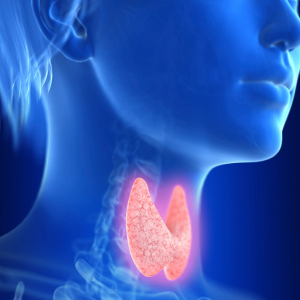
Hashimoto’s thyroiditis is an autoimmune condition in which the immune system attacks and damages the thyroid gland. Over time, this often leads to hypothyroidism, also known as an under active thyroid.
Symptoms can vary widely – some sources list over 300 – which means many overlap with other illnesses. In addition, the condition can progress slowly. As a result, early blood tests may not detect hypothyroidism, leaving many people feeling unwell without clear answers.
Hypothyroidism
For many people with Hashimoto’s, hypothyroidism becomes the primary diagnosis. Standard treatment usually involves medication such as levothyroxine. At university and throughout my hospital career, I was taught that this was the full solution: take a tablet and symptoms improve.
However, my own experience with hypothyroidism proved far more complex.
My Hypothyroid Story
My trigger was quinsy during my third pregnancy. The infection was severe. I spent three days in hospital on an IV drip. Doctors lanced my tonsils at the bedside, and bacteria drained into my gut. I eventually recovered and welcomed baby number three. Life, however, became intense. I ran a new business while caring for three small children. At the same time, I supported my disabled mother, who lived three hours away. With my husband travelling constantly for work, I told myself I was simply tired.
Deep down, I felt awful.
But I dismissed it. I blamed long hours, age, and stress. I was the classic “no-time-for-me” person. Ironically, I used to warn patients:
“If you don’t look after your health now, you’ll have plenty of time later — because you won’t be able to work.”
The Diagnosis: Hashimoto's and Hypothyroidism
Everything changed when I booked a Vitamin D test. Curiosity prompted it more than concern. When my blood results came back, I felt shocked – and strangely relieved.
The panel confirmed:
- Hashimoto’s thyroiditis
- Hypothyroidism (underactive thyroid)
- Very low Vitamin D
- Suboptimal B12
Finally, there was proof. My symptoms were not all in my head.
I started levothyroxine and gradually increased the dose under GP guidance. I expected to feel better. At first, I did – psychologically. I began prioritising my health. Others did too. But within four weeks, I felt worse.
The dose increased again. And again. My blood tests eventually fell within the “normal” range. Yet I felt more unwell than ever. My GP referred me urgently to an endocrinologist and after reviewing my thyroid blood panel, he told me to “go take a holiday.” I felt dismissed. Technically, my hypothyroidism looked controlled on paper. In reality, I could barely function. If you have experienced persistent hypothyroid symptoms despite “normal” labs, you will understand that frustration.
Severe Hypothyroid Symptoms
At my lowest point, I did not believe I would make it to my next birthday. My symptoms included:
- Severe headaches
- Brain fog and confusion
- Extreme exhaustion
- Feeling like I was walking through concrete
- Chest and back pain
- Constipation
- Brittle nails and hair
- Irritated skin
- Cold intolerance
- Heart palpitations
- Insomnia and low mood
This was not mild hypothyroidism. This was debilitating.

Taking Back Control
From that moment, I began researching deeply. I bought a medical thyroid textbook and joined the Health Unlocked forum. Further testing followed, and I refused to suffer silently. Eventually, I started combination therapy with T4 (levothyroxine) and active T3. Alongside this, I introduced targeted supplements and lifestyle adjustments.
The change was noticeable. Symptoms began to settle. My energy improved. My brain fog lifted. For the first time since my hypothyroid diagnosis, I felt hope.

The difficult Dietary Decision
Before 2010, I was not a “remove foods” dietitian. I encouraged variety. I discouraged unnecessary restriction.
But autoimmune disease challenged my thinking.
I decided to remove gluten from my diet. It was a significant professional and personal leap. I wanted evidence. I wanted to test it myself before recommending it.
Two years later, I remain gluten-free. I avoid processed gluten-free products 99% of the time. While not all symptoms vanished immediately, I believe the scientific direction is promising. Emerging research continues to explore links between gluten, autoimmunity, and Hashimoto’s thyroiditis.
Reversing My Hashimoto's
Six months later, I received news that completely changed my outlook. I had reversed my Hashimoto’s thyroiditis. I am more than delighted. My antibodies are 12 IU/mL, which is well below the 35 IU/mL they were previously. At one point, they were over 600 IU/mL. Diet, supplements, the correct exercise, and lifestyle changes got me here.
Although my lifestyle remains busy, I now try my best to stay on top of my workload and the daily pressure. I have continued with my gluten-free diet and avoid processed gluten-free products 99% of the time.
In my twenties, I naively followed the principles of a low-fat diet and scorned anyone who took supplements. At the time, I truly believed that food gave you all the nutrients you needed, as long as you ate healthily. Over the years, I have come a long way – unfortunately, the hard way. If you have read my previous blogs, you will know I have made many changes. Today, I choose more healthy fats and have increased my vegetable intake further than I thought possible. I’m loving the changes.


How My Hypothyroid Journey Shapes My Work
Today, I see patients in my clinic daily with chronic inflammation, PCOS, chronic fatigue syndrome, hypothyroidism, diabetes, obesity, high blood pressure and IBS. They benefit from my continually expanding nutritional and medical research, as well as my lived experience.
My message to you is simple: do not suffer in silence. You may have had many tests that show nothing is wrong, but please do not give up. To reach the root cause, you need a full MOT. That is why I urge you to seek advice.
Through our various dietary programmes, we teach you how to look after and optimise your health properly. Success comes from learning to enjoy a wide variety of foods in the correct amounts, chosen specifically for your health concerns.
I am always happy to advise you at any stage of your health journey, so please do get in touch if you need direction or further support.
Gillian x