
Inflammation Diet Plan
Inflammation Diet Plan Download Link [asp_product id=”3517″]
Sports Performance Diet Plan
Sports Performance Diet Plan Download Link [asp_product id=”3515″]
Gastrointestinal Health (Gut Health) Diet Plan
Gastrointestinal Health (Gut Health) Diet Plan Download Link [asp_product id=”3512″]
Weight Loss Diet Plan
Weight Loss Diet Plan Download Link [asp_product id=”3505″]
Mindful Eating – Do you??
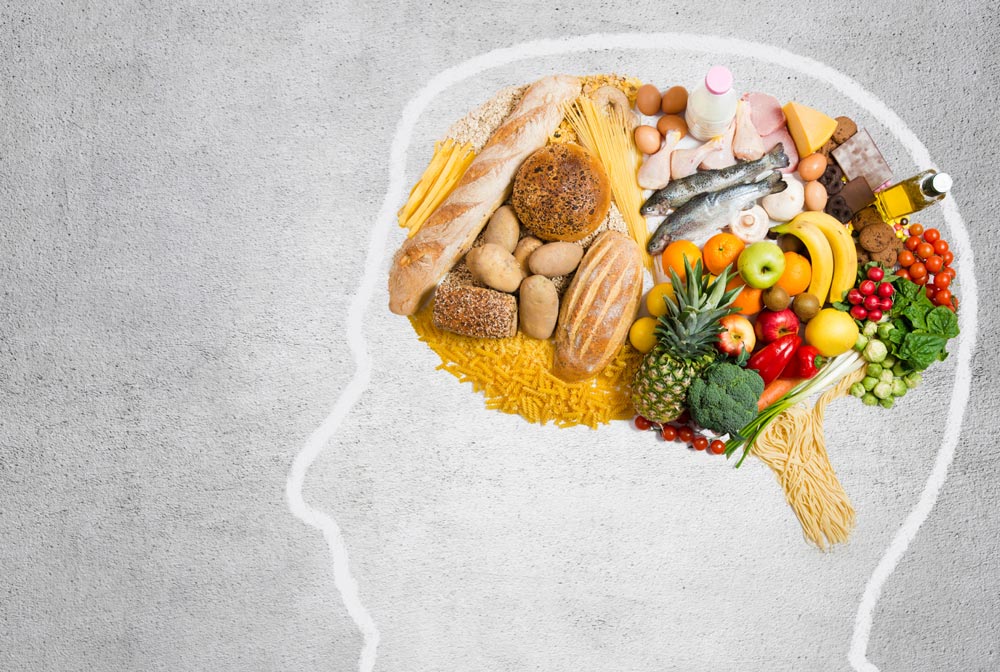
Mindful eating has become a well-used term over recent years. But do you really know what this entails? Gillian Killiner Specialist Dietitian explores this topic further, so you don’t have to. Did you know this concept of mindful eating has roots in Buddhist teachings? Mindful eating is not a diet, or about giving up anything at all. It’s about experiencing the pleasure of food giving more thought to what’s on your plate each time you sit down to eat. Yes…. Sitting down, an act often forgotten in this busy world we live in. Or did live in before COVID-19. Interestingly with this current pause, many parts of life have changed and so with this in mind it may be a good time to embrace the act of mindful eating as many of use are working from home and still eating mindlessly. So what do you need to do for mindful eating? We need to really assess first and foremost how we conduct our day and the priority we give to the act of eating. Do any of the following resonate with you? Are you each day: • Racing out the door first thing with a coffee when not in lockdown? • Running around the kitchen taking bites as you feed the children? • Are you someone who sits in a van, lorry or car all day and eats food from the passenger seat as you go? • Maybe you sit at your desk all day not having a lunch break but eat as you work. • Do you eat fast just so you can get onto the next part of your day? Interestingly if you are eating while under stress or distracted by something else, your body doesn’t know that it’s supposed to be digesting. Stress stimulates the parasympathetic nervous system. As you dash out the door in the morning, coffee in hand, or eat lunch in front of a computer screen or in the car the message you are giving your body is “don’t digest.” If you continually do this you will struggle to absorb your nutrients fully and possibly also suffer from mechanical issues like burping, bloating and reflux. This knock-on effect can also lead to weight gain as you are not registering the foods you are consuming and likely overeating. To become mindful is to retrain the way you think about food. How to retrain yourself for mindful eating habits Developing a Mindful Eating Practice 1) Sit down to eat and drink in a comfortable environment 2) Ensure you are in a relaxed state 3) Prepare your food from good quality ingredients ( not a problem if it has been made the night before). It is important to use fresh wholesome ingredients to nourish the body. 4) Before eating take a look at the food – check it for colour, freshness, smell, crunch, zing, creaminess, saltiness, sweetness etc rate the food. 5) Chew slowly and acknowledge that you are eating a bite at a time and tasting eat bite. 6) If you are eating a wholesome diet this should not be an issue. I find many of my clients that come to me have not engaged in mindful eating before. When they do, they really are surprised at how their eating habits positively improve. What next for your mindful eating? If you are unsure of how to change your eating habits, or need help optimising the foods you eat please do contact us. We would love to help you or your family and friends with any nutrition related queries big or small. In the meantime do please check out our 121Dietitian Shop If you have enjoyed this blog we would love you to share this with your family and friends on your social media channels. Why not visit our YouTube Channel for more on keeping your health optimal. How can a Dietitian help Book a consultation via our Online Portal About Gillian Killiner Check out our tailored dietary programmes Gillian x [instagram-feed]
PCOS – Weight Loss – Fertility
PCOS – Weight Loss & Fertility Our PCOS weight loss and fertility programme supports women with polycystic ovary syndrome who want to improve their health, manage symptoms and support fertility through sustainable nutrition and lifestyle changes. Who Is This For? Women with polycystic ovary syndrome (PCOS) who are struggling with PCOS weight loss. Women in a higher-weight or lower-weight body who are experiencing delays in achieving pregnancy. Women who want to improve their weight, lifestyle and overall health before trying for a baby. Men with modifiable diet and weight-related risk factors who would benefit from advice and support. What Does Clinical Evidence Say About PCOS Weight Loss and Fertility? Large international studies show that women in a higher-weight body who lose weight before pregnancy often improve both fertility treatment success and pregnancy outcomes. Because of this, international clinical guidelines recommend weight loss as a first-line treatment for women with PCOS who have a higher weight before starting fertility treatment or planning a family. Improving nutrition, lifestyle habits, and achieving sustainable PCOS weight loss can help support hormonal balance and fertility outcomes. How Can a Weight Management Programme Help With PCOS Weight Loss? There is no single approach that works for everyone trying to lose weight. Similarly, there is no single fertility diet that suits every person. Many women with polycystic ovary syndrome (PCOS) find weight loss more challenging due to hormonal changes that affect metabolism and insulin sensitivity. Recent research also shows that crash diets and extreme exercise plans rarely work long-term and can sometimes be harmful. Sustainable PCOS weight loss should never involve starving yourself or following unrealistic restrictions. Instead, a structured and personalised programme can help you make manageable changes that support both weight management and fertility health. Our Approach to Sustainable PCOS Weight Loss The most effective strategy is a sensible and achievable long-term plan that helps you reduce weight and maintain those results. The goals of our PCOS weight loss and fertility programme include: Achieving a realistic goal. We focus on a 5-10% reduction in body weight over 4-6 months, which research shows can improve fertility outcomes. Supporting sustainable PCOS weight loss, rather than short-term results. Providing a personalised nutrition and exercise plan, alongside appropriate psychological support. This approach has been shown to improve long-term success and overall quality of life. Helping you feel empowered and in control of your lifestyle, so you can maintain healthier habits and avoid returning to patterns that do not support your wellbeing. Fertility Support for Men We have not forgotten the men in your life. Male factors contribute to around 30% of infertility cases, and these can often involve a combination of medical and environmental influences. Lifestyle factors such as alcohol consumption, smoking, diet, and body weight can affect fertility. Many of these factors can be improved with the right guidance and support. Our fertility programmes allow either partner, or both partners together, to receive support when addressing fertility challenges. How Does Our PCOS and Fertility Plan Work? You will work with a specialist registered dietitian over a six-month period. Before your first appointment, you will complete a 121 Dietitian 7-Day Food Diary and Diet Plan Questionnaire. Gillian Killiner, Specialist Registered Dietitian, reviews this information before your consultation. Your appointment can take place online through our secure portal or at our Holywood clinic. During the consultation, Gillian will discuss the findings and begin creating a personalised nutrition programme tailored to your needs. Week 1 – Initial Consultation During your first appointment, Gillian will discuss nutrition, motivation, and lifestyle changes. You will receive a personalised nutrition plan, recipes, and a shopping list, along with SMART goals to guide your progress. The focus is on nutritional optimisation, which may include reviewing gut health, mental wellbeing, and blood markers. Diet and supplements may be recommended where appropriate. Week 4 – Dietetic Review At this stage, Gillian reviews your progress and adjusts your recommendations if needed. If your goal is PCOS weight loss, a steady and manageable reduction of around 1 kg (2 lb) per week is usually recommended. Week 12 – Progress Review Before this review, you will submit an updated food diary. This appointment may take place online, by phone, or via email, depending on your preference. Week 22 – Final Consultation Your final appointment includes a full reassessment of weight, health markers, and overall progress. Where relevant, this may be reviewed alongside your fertility team. Book Now Programme Options For women with polycystic ovary syndrome (PCOS) who want to focus on PCOS weight loss, our programmes are tailored to your individual needs and health goals. If fertility is also a focus, support can be provided for either partner individually or for both partners together, depending on your circumstances. If you would like guidance on weight management and fertility support as a couple, please contact the clinic directly to discuss the most suitable options. Book Now Learn More About Managing PCOS Empower yourself with practical knowledge about PCOS weight loss, nutrition, and lifestyle strategies. Visit our blog at 121dietitian.com to explore expert advice, helpful tips, and evidence-based guidance designed to support women living with PCOS.