
Understanding SIBO and the Role of a SIBO Dietitian
Understanding SIBO and the Role of a SIBO Dietitian Your Guide to Digestive Wellness Small Intestinal Bacterial Overgrowth, commonly known as SIBO, is a digestive condition that’s gaining more attention in the medical community. If you’re struggling with persistent digestive issues, you might have come across this term. But what exactly is SIBO, and how can a SIBO dietitian help? Let’s dive into this topic and explore the most commonly asked questions about SIBO and the role of a specialised dietitian. What is SIBO? SIBO occurs when there’s an abnormal increase in the overall bacterial population in the small intestine, particularly types of bacteria not commonly found in that part of the digestive tract. This overgrowth can lead to various uncomfortable and sometimes debilitating symptoms. What are the symptoms of SIBO? While anyone can develop SIBO, certain factors can increase your risk: Bloating and abdominal distension Abdominal pain or discomfort Diarrhoea or constipation (sometimes alternating) Excessive gas or flatulence Nausea Fatigue Nutrient deficiencies Who is at risk of developing SIBO? While anyone can develop SIBO, certain factors can increase your risk: Previous abdominal surgeries Conditions that affect gut motility (e.g. IBS, diabetes) Chronic use of certain medications (e.g. proton pump inhibitors) Immune system disorders Structural abnormalities in the digestive tract A SIBO dietitian is a registered dietitian who specialises in treating Small Intestinal Bacterial Overgrowth. They have in-depth knowledge of how diet affects SIBO and can provide personalised nutritional advice to manage symptoms and support treatment. How can a SIBO dietitian help? A SIBO dietitian can assist in several ways: Developing a personalised diet plan to manage symptoms Providing guidance on appropriate supplements Offering support throughout the treatment process Helping to identify and address underlying nutritional deficiencies Assisting with the reintroduction of foods after treatment What dietary approaches might a SIBO dietitian recommend? Depending on your specific case, a SIBO dietitian might suggest: A low FODMAP diet The Specific Carbohydrate Diet (SCD) An elemental diet A combination or modification of these approaches It’s important to note that these diets should be followed under the guidance of a professional to ensure nutritional adequacy. Now, let’s address some of the most commonly asked questions about SIBO and SIBO dietitians: Q: How is SIBO diagnosed? A: SIBO is typically diagnosed through breath testing, which measures the levels of hydrogen and methane gases produced by bacteria in your small intestine. However, some practitioners may diagnose based on symptoms and response to treatment. Q: Can SIBO be cured? A: While SIBO can be successfully treated, recurrence is common. The goal of treatment is to eliminate the overgrowth, identify and address the underlying cause, and prevent recurrence. Q: How long does SIBO treatment usually last? A: The duration of treatment can vary depending on the individual and the severity of the condition. It typically involves a combination of antimicrobial treatments for 2-6 weeks, followed by a period of dietary changes, gut healing and maintenance. Q: Will I need to follow a restricted diet forever? A: Not necessarily. While dietary changes are a crucial part of SIBO treatment, the goal is to eventually reintroduce foods and return to a balanced, varied diet. Your SIBO dietitian will guide you through this process. Q: Can probiotics help with SIBO? A: The use of probiotics in SIBO treatment is controversial. Some studies suggest they can be beneficial, while others indicate they might exacerbate symptoms. Your SIBO dietitian can advise on whether probiotics are appropriate for your specific case. Q: How many sessions will I need with a SIBO dietitian? A: The number of sessions can vary depending on your individual needs and progress. Typically, you might have an initial consultation followed by regular follow-ups throughout your treatment and recovery. Q: Can a SIBO dietitian help with other digestive issues? A: Yes, many SIBO dietitians are also experienced in treating other digestive disorders such as IBS, IBD, and food intolerances. Q: What’s the difference between a SIBO dietitian and a regular dietitian? A: While all registered dietitians have a broad knowledge of nutrition, a SIBO dietitian has additional specialised knowledge about SIBO and its treatment. They stay up-to-date with the latest research and treatment approaches for this condition. Q: Can I treat SIBO on my own with diet? A: While dietary changes are a crucial part of SIBO treatment, it’s not recommended to self-treat. SIBO can be complex, and working with a SIBO dietitian ensures you’re following an appropriate, nutritionally balanced approach. Q: Will I need to take supplements? A: Possibly. Many SIBO patients have nutrient deficiencies due to malabsorption. Your SIBO dietitian may recommend specific supplements based on your individual needs and test results. Who can be helped by a SIBO dietitian? A SIBO dietitian can help a wide range of individuals, including: Those diagnosed with SIBO who need guidance on dietary management Individuals with persistent digestive symptoms who suspect they might have SIBO People who have been treated for SIBO and want to prevent recurrence Those with other digestive issues that might be related to SIBO, such as IBS or food intolerances Individuals looking to optimise their gut health in general Even if you haven’t been officially diagnosed with SIBO, but are experiencing persistent digestive issues, a SIBO dietitian can be a valuable resource. They can help you navigate the complex world of digestive health, provide evidence-based advice, and work with you to develop a personalised plan for managing your symptoms. It’s important to remember that while diet plays a crucial role in managing SIBO, it’s often part of a broader treatment approach. A SIBO dietitian will often work as part of a team, collaborating with your doctor or gastroenterologist to ensure comprehensive care. In conclusion, if you’re struggling with digestive issues, particularly those that might be related to SIBO, consulting with a SIBO dietitian could be a significant step towards improving your digestive health. They can provide the knowledge, support, and personalised guidance you need to navigate this complex condition and work towards optimal gut health. Remember,
The Role of Plant-Based Diets in Promoting a Healthy Gut
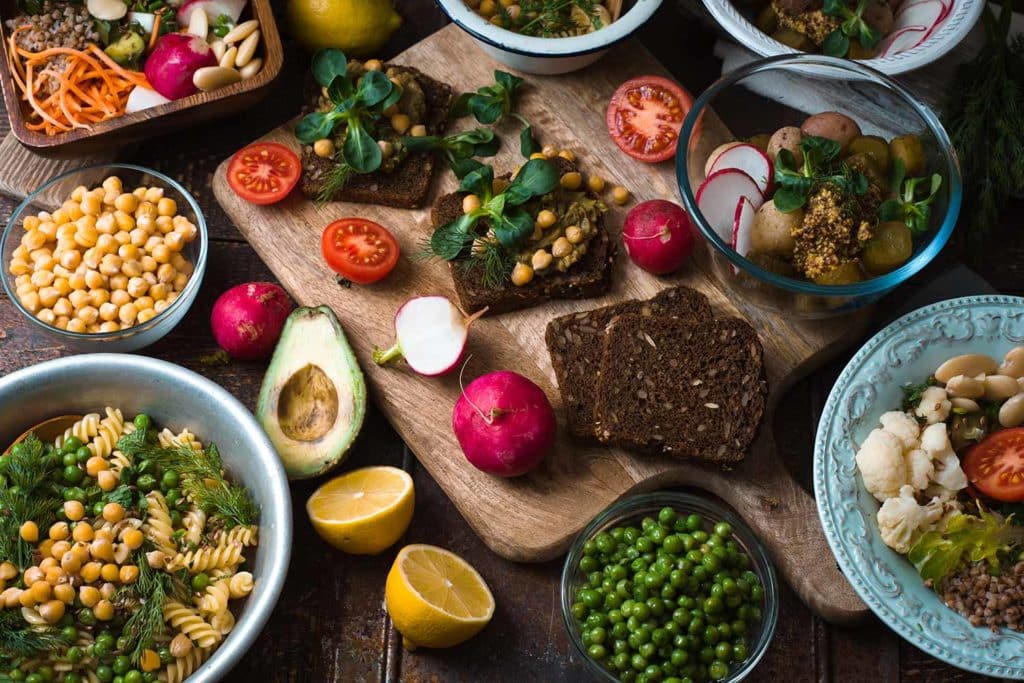
The Role of Plant-Based Diets in Promoting a Healthy Gut In recent years, the connection between our diet and gut health has become increasingly the focus as the link between gut to overall health is so important. Plant-based diets, in particular, have emerged as a powerful tool for promoting a healthy gut microbiome. In this article we will be exploring the benefits of plant-based eating for gut health and introduce two key concepts: the ’30 plants a week checklist’ and ‘plant points’. Why Plant-Based Diets Matter for Gut Health Plant-based diets are rich in fibre, vitamins, minerals, and phytochemicals, all of which play crucial roles in maintaining a healthy gut. Here’s how: Fibre: Plants are the primary source of dietary fibre, which acts as fuel for beneficial gut bacteria. As these bacteria ferment fibre, they produce short-chain fatty acids that feed the gut lining and help reduce inflammation. Diversity: A varied plant-based diet introduces a wide range of nutrients and compounds that support a diverse gut microbiome. This diversity is the key to a resilient and healthy gut ecosystem. Antioxidants and phytochemicals: Many plant foods are rich in antioxidants and phytochemicals, which can help reduce oxidative stress and inflammation in the gut. Prebiotics: Certain plant foods contain prebiotics, which specifically feed beneficial gut bacteria. The ’30 Plants a Week Checklist’ One effective strategy for improving gut health is the ’30 plants a week checklist’. This concept encourages individuals to consume 30 different plant foods each week. Here’s why it’s beneficial: Diversity: By aiming for 30 different plants, you naturally increase the variety in your diet. Nutrient density: Different plants offer different nutrients, ensuring a wide range of beneficial compounds for your gut. Mindful eating: The checklist encourages more conscious food choices and meal planning. To implement the ’30 plants a week checklist’, consider: Including a variety of fruits, vegetables, nuts, seeds, legumes, and whole grains in your meals. Experimenting with new plant foods each week. Using herbs and spices, which also count towards your plant diversity. Plant Points: A Simple Way to Track Your Plant-Based Progress. The concept of ‘plant points’ is another useful tool for those looking to increase their plant intake for better gut health. Here’s how it works: Assign one point to each unique plant food you eat. Aim to accumulate as many plant points as possible throughout the week. Challenge yourself to increase your plant points over time. Plant points can make the journey towards a more plant-based diet fun and engaging. It’s not just about eating more plants, but about eating a wider variety of plants. Implementing a Plant-Based Diet for Gut Health. While moving towards a more plant-based diet can seem daunting, here are some practical tips to get started: Start slowly: Begin by adding one to two new plant food to your diet each week. Make simple swaps: Replace some animal-based products with plant-based alternatives in familiar recipes. Embrace whole foods: Choose whole plant foods over processed alternatives when possible. Plan your meals: Use the ’30 plants a week checklist’ as a guide for meal planning. Stay hydrated: Adequate water intake is crucial for gut health and helps your body process the increased fibre intake. This advice is important for all ages – many children do not eat enough fibre. For small children however you need to be careful as small tummies can fill up too much with low energy foods. A Dietitian can help create a healthy diet for your child if you are needing assistance. Potential Challenges and Solutions While plant-based diets offer numerous benefits for gut health, they may present some challenges: Digestive discomfort: A sudden increase in fibre intake can cause bloating or gas. Solution: Increase your plant intake gradually and stay well-hydrated. Nutrient concerns: Some worry about getting enough protein or certain vitamins on a plant-based diet. Solution: Ensure a varied diet and consider speaking with a registered dietitian for personalised advice. Social situations: Eating out or at social gatherings might seem challenging. Solution: Plan ahead, focus on the plant-based options available and if you know there is not going to be much then be more conscious in the meals and snacks around the event. An Example: Breakfast: Oatmeal with: Blueberries, flaxseeds, milk Snack: mix with: Almonds, Walnuts, 4-5 sultanas Lunch: salad with: Quinoa, Chickpeas, Cucumber, peppers, tomatoes, red onion Parsley Snack: Veggie sticks with Carrots, Celery, and cream cheese Dinner: Stir-fry with: Brown rice, Broccoli, peas, red cabbage, Tofu or prawns with ginger, Soy sauce, and Garlic Dessert: Fruit 6-8 Strawberries Adopting a more plant-based diet can significantly benefit your gut health. The ’30 plants a week checklist’ and ‘plant points’ system are excellent tools to help you increase the diversity and quantity of plant foods in your diet. Before I go I just want to mention that it is still important to continue to eat proteins from various sources. The message for change to more plants is that populations across the globe are eating beige foods only with proteins from processed poor-quality choices which is damaging their health. Protein from good-quality lean meats, poultry, and fish should not be removed. They should remain as part of this balanced approach if you are not vegan or vegetarian. Eggs, meat alternatives like tofu and tempeh and dairy are also important parts of the diet to regularly consume. Eat them alongside a rainbow and you will be doing the best you can. So, the key message here is every step towards a more plant-rich diet is a step towards better gut health and if you’re struggling with gut health issues or need personalised guidance on implementing a plant-based diet, then consider seeking professional help. If you are experiencing gut health issues or looking to optimise your diet for better gut health check out Gillian’s specialist programmes at 121 Dietitian. My expertise and personalised approach a tailored plan will be created for you to improve your gut health and overall wellbeing. With over 30 years of experience in dietetics
Histamine Intolerance: A comprehensive Guide
Histamine Intolerance: A Guide to Finding Relief If you have histamine intolerance. From persistent migraines and digestive issues to skin rashes and fatigue, the negative effects of histamines can be debilitating. However, with the right knowledge and strategies, you can take control of your health and find relief. In this comprehensive guide, Gillian Killiner specialist Gut Dietitian explores the ins and outs of histamine intolerance, provide practical tips, and share a real-life case study to inspire and empower you on your journey to wellness. Understanding Histamine Intolerance Histamine is a naturally occurring compound found in various foods and produced by the body as part of the immune response. People with histamine intolerance have trouble getting rid of extra histamine, causing it to build up and cause various symptoms. Common symptoms of histamine intolerance include: Headaches and migraines Digestive issues (bloating, abdominal pain, diarrhoea) Skin rashes, hives, or eczema Respiratory problems (nasal congestion, asthma) Irregular menstrual cycles Fatigue and brain fog While the exact cause of histamine intolerance is not fully understood, it is often linked to factors such as genetic predisposition, gut health issues, and certain medications or medical conditions that affect the body’s ability to metabolise histamine properly. Tips for Managing Histamine Intolerance Identify and Avoid High-Histamine Foods One of the most effective ways to manage histamine intolerance is to limit your intake of high-histamine foods. Some foods like cheese, sauerkraut, wine, vinegar, cured meats, avocados, bananas, and citrus fruits can trigger migraines and gut symptoms for some people. Keeping a food diary is a good start to help identify potential triggers. Be careful however not to eliminate too many foods for long. Incorporate Low-Histamine Foods: While avoiding high-histamine foods is crucial, it’s equally important to focus on incorporating low-histamine options into your diet. Healthy options include fresh fruits, vegetables, grains, lean proteins, and dairy alternatives. Grains like rice and oats are good choices. Lean proteins such as fresh poultry and fish are also recommended. Support Gut Health: A healthy gut plays a vital role in managing histamine intolerance. Incorporating probiotic-rich foods promotes a balanced gut microbiome. Be careful if taking a probiotic supplement as some strains like casei raise histamines and others like breve can lower it and support digestive health. Stay Hydrated: Dehydration can exacerbate histamine intolerance symptoms, so make sure to drink plenty of water throughout the day. Herbal teas, such as homemade ginger or peppermint, can also be soothing and hydrating options. Manage Stress: Stress can trigger the release of histamine in the body, potentially worsening symptoms. Incorporate stress-management techniques like deep breathing exercises, meditation, or gentle yoga into your routine to promote relaxation and overall well-being. Read Labels Carefully: When shopping for groceries, it’s crucial to read labels carefully and be aware of potential sources of hidden histamine. Many processed foods, condiments, and beverages can contain high levels of histamine or histamine-releasing compounds, even if they don’t seem obvious. Experiment with Cooking Methods: Certain cooking methods, such as grilling, frying, or prolonged cooking times, can increase the histamine content in foods. Opt for gentler cooking methods like steaming, poaching, or baking whenever possible to minimise histamine formation. Stay Consistent and Patient: Managing histamine intolerance can be a journey of trial and error. It may take some time to identify your specific triggers and find the right combination of dietary and lifestyle changes that work for you. Stay consistent with your efforts and be patient with yourself as you navigate this process. Case Study: Gillian Killiner’s Client Success Story Gillian Killiner RD, the founder of 121 Dietitian, has helped numerous clients find relief from histamine intolerance. One such success story is that of Sarah, a 35-year-old woman who had been struggling with persistent digestive issues, migraines, and skin rashes for years. Sarah had tried various diets and treatments, but nothing seemed to provide lasting relief. After consulting with Gillian, she discovered that Sarah’s symptoms were likely linked to histamine intolerance. Gillian created a program for Sarah with suitable foods to help her body handle histamine’s better. In addition to dietary changes, Gillian recommended incorporating stress-management techniques and suitable supplements into Sarah’s routine. Within a few weeks, Sarah began to notice a significant improvement in her symptoms. Her migraines diminished, her digestive issues subsided, and her skin cleared up. Today, Sarah continues to be vigilant and has regained control over her health. She credits Gillian’s expertise and guidance for helping her understand and manage her histamine intolerance, allowing her to live a fuller, more vibrant life. Overall, Managing histamine intolerance can be very challenging. However, with the proper knowledge and strategies, you can alleviate symptoms and enhance your well-being promptly. Finding relief and improving your health improves that horrid dark cloud too, all possible with the right information and techniques. Remember, every individual’s journey with histamine intolerance is unique, and it may take some trial and error to find the approach that works best for you. Be patient and consistent when managing histamine intolerance and if you really are not sure don’t suffer, seek guidance from a healthcare professional like Specialist Gut Dietitian Gillian Killiner RD. If you want to book your programme TODAY we would love to help you. You can book a 121 Dietitian Programme today by clicking on the link below BOOK TODAY
Medical Equipment
Medical Equipment
Supplement Products
Supplements
An IBS Flare? How to manage symptoms

Navigating IBS Flare-Ups With Compassion Living with Irritable Bowel Syndrome (IBS) can often feel like being on a rollercoaster – full of unexpected ups and downs. One moment, you may feel relatively fine, and the next, you’re dealing with uncomfortable symptoms like stomach cramps, bloating, or an urgent need for the toilet. These sudden symptom flare-ups can greatly disrupt your daily routine and affect your overall quality of life. Simple activities such as going to work, spending time with family, or enjoying a meal can become difficult when you’re unsure of how your gut will behave. IBS flare-ups can be unpredictable and distressing, leading to feelings of frustration, embarrassment, or isolation. This is why it’s essential to treat yourself with kindness and patience. Many people with IBS tend to blame themselves or push through the discomfort, which can make the symptoms worse. A more helpful approach is to acknowledge what you’re going through, take steps to understand your triggers, and manage your symptoms with care and support. At 121 Dietitian, we recognise the daily challenges faced by those living with IBS. We understand how much it can impact both your physical health and emotional well-being. That’s why we offer personalised, evidence-based nutritional care designed to help you regain control. Our goal is to support you with practical dietary strategies that are tailored to your unique needs, so you can reduce flare-ups and feel more confident in managing your condition. With the right guidance and a compassionate approach, it is possible to improve your gut health and live a more balanced, comfortable life. Understanding IBS Flare-Ups What is IBS?IBS stands for Irritable Bowel Syndrome. It is a common condition that affects the digestive system, particularly the bowels These symptoms can vary in severity and may come and go over time. What are IBS Flare-Ups?An IBS flare-up happens when symptoms suddenly become worse than usual. During a flare-up, a person might experience strong and continuous abdominal pain. Bowel habits can become very irregular, with constipation one moment and diarrhoea the next. Bloating is also very common, where the stomach feels swollen and tight. Excessive gas, nausea, and weakness may also occur during these episodes. These flare-ups can last for a few hours or continue for several days. The length and severity depend on various factors, including diet, stress, and how well the person is managing their condition. Flare-ups can be very uncomfortable and often disrupt daily life, making it difficult to carry out normal tasks or enjoy everyday activities. Understanding your triggers and getting the right support can help reduce the frequency and intensity of these flare-ups. How IBS Flare-Ups Affect Daily Life – A Detailed Explanation IBS flare-ups can have a serious impact on everyday life, no matter your age. Whether you’re a child, an adult, or elderly, these episodes can make even normal routines feel stressful and unpredictable.During pregnancy, IBS flare-ups can become stronger due to hormonal changes and added stress. These flare-ups may cause more stomach pain, bloating, and bowel problems. 1. School and Work Life:Children with IBS may feel anxious about going to school. The fear of sudden stomach pain or needing to rush to the toilet can keep them from concentrating in class or enjoying their day. For adults, it’s often hard to keep up with work. They may need frequent sick days, struggle with focus, or feel embarrassed about leaving their desk often due to symptoms. This can affect job performance and create stress with colleagues or managers. 2. Home Life and Relationships:Many people with IBS start avoiding social activities. They prefer to stay close to a bathroom and feel nervous about long trips or events. Over time, they may begin to distance themselves from friends and family. Even close relationships can suffer — including marriage. Constant discomfort, mood swings, and low energy can affect emotional closeness and communication between partners. 3. Mental and Emotional Effects:Living with the constant fear of a flare-up takes a mental toll. Many IBS sufferers develop anxiety or depression. The stress of “what if something happens?” can stop them from leaving the house. During a flare-up, the pain and bloating can become so overwhelming that it’s hard to think about anything else. This leads to isolation, low self-esteem, and a lack of motivation to engage in life. Impact of IBS on Children and the Elderly Irritable Bowel Syndrome (IBS) affects people of all ages, but its impact can be especially difficult for children and older adults. In children, IBS can interfere with important parts of their everyday lives. Many children with IBS end up missing school activities and games due to stomach discomfort. They may begin to feel isolated from their friends and stop joining in with social activities. Because they are constantly dealing with stomach pain, bloating, or the urgent need to use the toilet, they often feel sad, frustrated, or withdrawn. This emotional toll can affect their overall growth and confidence. For the elderly, IBS presents a different kind of challenge. Older people are already more vulnerable due to age-related weakness, and IBS only adds to their discomfort. The pain, bloating, and unpredictable symptoms increase stress levels and make day-to-day living more difficult. In many cases, regular medications may have less effect, or they may cause side effects when mixed with treatments for other conditions. Seniors with IBS often feel constantly tired, anxious, and restless, as the body struggles to keep up with both age and illness. What Happens When IBS Gets Worse If IBS is not properly managed or treated in time, the condition usually worsens over time. In the beginning, it may just feel like occasional gas, mild stomach ache, or a bit of bloating. These early signs are often ignored, assuming they are temporary. However, without proper care, the symptoms become more frequent and more intense. Persistent constipation or diarrhoea can start occurring daily, causing major disruptions in routine tasks. When IBS flares up regularly, it becomes hard to focus on work or manage daily responsibilities.