
Why February Is the Best Month to Start Improving Your Diet (Not January)
Why February Is the Best Month to Start Improving Your Diet (Not January) Every January, the same cycle repeats. New Year’s resolutions, restrictive diets, intense motivation — followed by frustration, exhaustion, and abandonment within weeks. For decades, experienced dietitians have known this pattern doesn’t reflect a lack of willpower. It reflects poor timing. Recent science, highlighted by ScienceAlert, confirms what many of us in clinical practice have long observed: January is often the hardest month to make lasting dietary change, while February is far more realistic and sustainable. So if you haven’t got your head in the game just yet, you can still turn this around!! and we can help!! Why January Diets So Often Fail January is presented as a fresh start, but physiologically and psychologically, it is rarely an ideal time to overhaul eating habits. Most people enter January already depleted. December often brings disrupted sleep, irregular meals, higher alcohol intake, more ultra-processed foods, and emotional and financial strain. Layering a strict diet on top of this places additional stress on the body. From a biological perspective, restrictive dieting triggers predictable responses: • Increased hunger and cravings• Reduced feelings of fullness• Slowing of metabolic rate• Loss of lean muscle mass• Heightened focus on food and eating These responses are protective. The body interprets restriction as a threat and adapts accordingly. This is why willpower alone is never enough. The Science Behind Restrictive Diets and Weight Regain Decades of nutrition research show that restrictive diets are strongly associated with weight regain over time. Studies repeatedly demonstrate that when calories are drastically reduced or entire food groups are removed: • Appetite hormones increase• Energy expenditure decreases• The body becomes more efficient at storing energy• Long-term weight maintenance becomes harder This explains why many people experience short-term weight loss followed by regain — often accompanied by reduced confidence and trust in their body. This is not a personal failure. It is human physiology. Why February Is a Better Time to Make Dietary Changes In clinical practice, February is often the month I recommend patients consider making changes — not dramatic resets, but calm, sustainable steps. Several important factors shift by February. Longer Days and Improved Energy As daylight gradually increases, mood, sleep quality, and energy levels often improve. These changes alone make consistency easier and reduce the mental load associated with behaviour change. Reduced Financial and Emotional Pressure By February, Christmas spending has usually stabilised. Financial stress is lower, food choices feel less reactive, and there is more headspace to plan realistically. A Calmer Food Environment Festive foods and social pressures have passed. Eating patterns feel more predictable, making it easier to establish regular meals without guilt or restriction. Less “All-or-Nothing” Thinking The noise of New Year dieting culture fades. This creates space for thoughtful, personalised change rather than extreme approaches driven by pressure. Simple Changes Work Better Than Big Resolutions Sustainable health is rarely built through dramatic action. It is built through consistent, achievable habits that fit real lives. Rather than encouraging rigid meal plans or strict rules, February is an ideal time to focus on: • Eating regular meals to stabilise blood sugars• Gently increasing protein and fibre intake• Improving hydration• Reducing reliance on ultra-processed foods• Supporting gut health through whole foods• Re-establishing sleep and daily routines These changes support metabolism, gut health, hormone regulation, and long-term weight management — without triggering stress responses in the body. Why Working With a Dietitian Makes a Difference Nutrition advice is widely available, but expertise is not. Dietitians are trained to understand how nutrition interacts with physiology, behaviour, medical conditions, hormones, gut health, and daily life. We do not promote detoxes or extreme diets because we see, daily, the harm they cause. At 121Dietitian, our approach is: • Evidence-based, not trend-driven• Personalised, not generic• Focused on sustainability, not quick fixes• Grounded in physiology and real-world behaviour Many of the people we work with are motivated and knowledgeable — they simply need guidance that aligns with how the body actually works. You Don’t Need a New Year to Improve Your Health If January didn’t feel like the right time to start, that’s not failure — it’s insight. February offers a calmer, more realistic opportunity to build habits that last. When dietary change is timed well and supported properly, it becomes far easier to maintain. You don’t need restriction.>You don’t need perfection.>You need the right plan, at the right pace, with the right support. Book Now
Pregnancy and IBS: What Every Mum-to-Be in the UK Should Know
Irritable Bowel Syndrome (IBS) is a common condition that affects the digestive system. It often causes stomach pain, bloating, gas, and changes in bowel habits like diarrhoea or constipation. Many women experience IBS during pregnancy or may already have it before becoming pregnant. During pregnancy, hormone changes, stress, and pressure on the stomach can sometimes make IBS symptoms worse. It’s important for pregnant women with IBS to understand how pregnancy might affect their condition. This helps them manage symptoms better and stay comfortable. Eating a healthy diet, staying hydrated, managing stress, and getting regular checkups can support both digestive health and a healthy pregnancy. How Pregnancy Affects IBS Symptoms: Causes and Changes During pregnancy, a woman’s body goes through many changes, especially in hormone levels. These changes can affect different parts of the body, including the digestive system. Some women notice that their symptoms of Irritable Bowel Syndrome (IBS) improve during pregnancy, while others may find that their symptoms get worse. Some women may notice their symptoms get worse, while others might find them improving. 🔺 Why can symptoms get worse? 🔻 Why can symptoms get better? As the baby grows, it puts pressure on the intestines. This can slow down digestion and cause discomfort. If you have IBS during pregnancy, you might face issues like increased gas, stomach pain or cramps, constipation, or sometimes diarrhoea. These symptoms can sometimes feel like normal pregnancy discomforts, which makes it hard to tell the difference. That’s why it’s important to monitor any changes and talk to your doctor if you notice anything unusual. How to Safely Manage IBS During Pregnancy? Managing IBS (Irritable Bowel Syndrome) during pregnancy needs extra care. It’s important to work closely with your doctor or a qualified dietitian. They can help you follow a plan that keeps both you and your baby safe. Experts like 121 Dietitian specialise in digestive health and give special advice for pregnant women. They may suggest a gentle version of the Low FODMAP Diet. Gillian Killiner, RD, is an expert dietitian specialised in gut health. She has helped many patients recover using her unique and science-based programs. At 121 Dietitian, we believe in offering patients the latest medical and research-backed treatments. We are proud to provide this special care to our clients. One key program we offer is the Low FODMAP Diet for IBS (Irritable Bowel Syndrome). This diet has been successful for over 75% of people worldwide, while the official UK guidelines show about 30% success. But at 121 Dietitian, our success rate is even higher—95%. This is because we treat the whole person, not just the symptoms. Our detailed and personal approach sets us apart, especially in Northern Ireland. Gillian Killiner was the first dietitian in London trained in Low FODMAP Diet in 2011. Since then, she has been a source of hope for people with IBS, whether in Northern Ireland, the UK, or other countries. Why choose our Gut Health program? Many patients come to us after trying many tests and treatments with no success. Some have avoided certain foods for years but still have gut problems. When foods are removed incorrectly, the body can lack important nutrients like protein, vitamins, and minerals. This can cause tiredness, weakness, sadness, and other health issues. Also, some medicines for acid reflux or stomach pain can reduce nutrient levels over time, making problems worse. That is why we created different Gut Health programs in Belfast to solve these common but serious issues. Every person gets a customised plan. This may include the Low FODMAP Diet to reduce symptoms and improve health. This helps reduce symptoms like bloating or stomach pain, without causing any lack of nutrition. Helpful Food Tips for Pregnant Women with IBS: Always talk to a healthcare expert before making any changes to your diet during pregnancy. Every person is different, and a personalised plan works best. Managing IBS During Pregnancy: Simple and Effective Tips The methods you used before to manage IBS can still help now: Eat small amounts frequently. This helps your stomach handle food better. Drink plenty of water to keep your digestion smooth. Avoid stress as it can make IBS worse. Stay away from foods that trigger your symptoms, like very oily or spicy dishes. Increase fibre slowly in your diet. There are two types of fiber: Both affect IBS differently. Adding too much fibre suddenly can make symptoms worse. Slowly add fibre from fruits, vegetables, seeds, and whole wheat bread. Keep your diet balanced. If you are following a Low FODMAP diet, talk to your doctor. They can guide you on how to get the right nutrients during pregnancy to keep your baby healthy. Include natural probiotics in your diet. These are good bacteria found in yogurt, fermented drinks, or supplements. Probiotics may improve digestion. Always check with your doctor first. Exercise lightly, like walking or safe pregnancy exercises. Exercise helps your digestion and also relaxes your mind.At 121 Dietitian, we also help women with IBS flare-ups during pregnancy. We create a special diet plan that can give you relief from symptoms. You can join our Gut Health Programme, where we guide you step-by-step on how to take care of yourself during pregnancy with IBS. We will provide you with the right advice and support to manage your health in the best way possible. FAQs What should I avoid with IBS in the UK? Avoid foods that trigger your symptoms, like fatty foods, caffeine, alcohol, spicy foods, and some dairy products. Also, reduce stress and avoid eating large meals. Should I go to work if I have IBS? Yes, you can go to work and we help people take control again so they can return. Managing symptoms with a good diet, regular bathroom breaks, and stress control helps you stay comfortable. Is IBS considered a disability in the UK?IBS is usually not classed as a disability unless symptoms are very severe and affect daily life. Some people may get extra support if their IBS is
Irritable Bowel Syndrome (IBS)- everything you need to know..
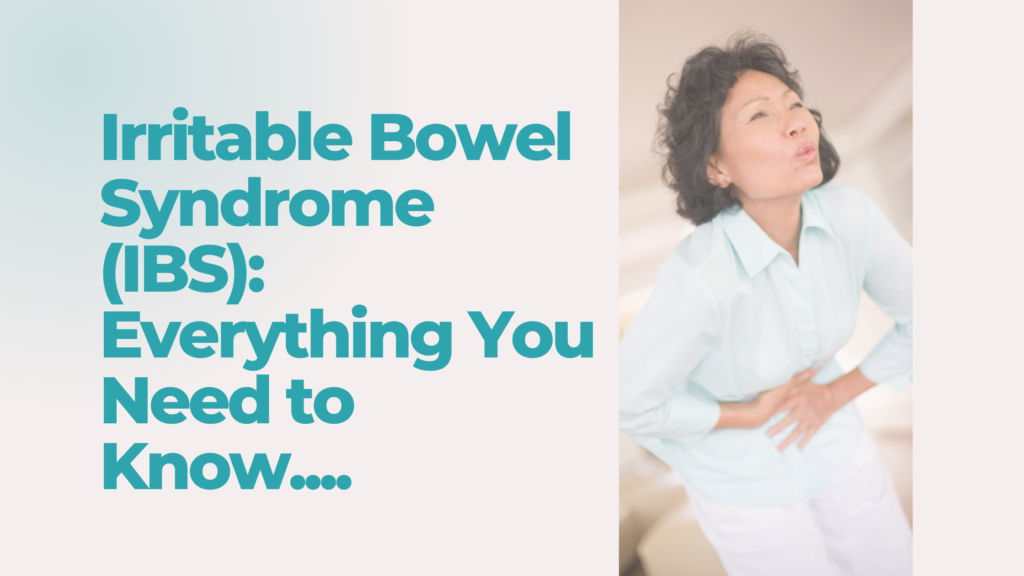
Struggling with bloating, cramps, or unpredictable bowels? You might be one of the millions affected by Irritable Bowel Syndrome (IBS). In this blog, expert Dietitian Gillian Killiner explains the causes, symptoms, and evidence-based strategies to manage IBS — including how personalised nutrition and lifestyle changes can help you take control of your gut health.
Gut Health Vitamins – Nourishing Your Digestive System from the Inside Out
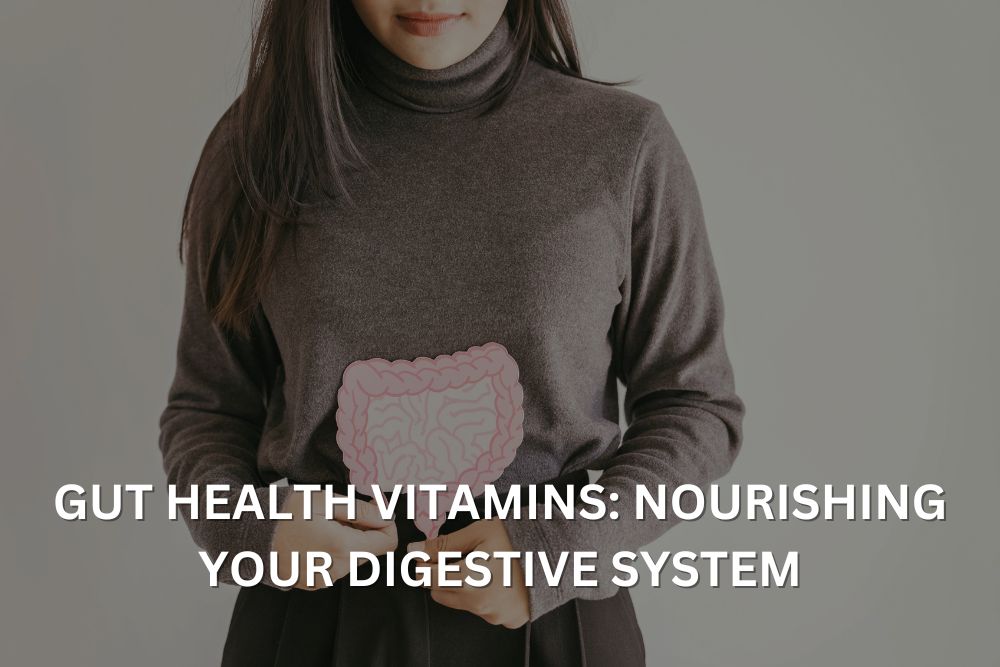
Gut Health Vitamins: Nourishing Your Digestive System from the Inside Out Your gut is like a garden inside your body, and just like any garden, it needs the right conditions to function properly. Gut Health Vitamins play a crucial role in keeping your gut healthy and happy. In this article, we’ll explore the most important vitamins for gut health, how they work, and how you can make sure you’re getting enough of them. We’ll also discuss how experts like our team at 121 Dietitian can help you create a personalised vitamin plan for optimal gut health. Why Are Vitamins Important for Gut Health? Before we dive into specific vitamins, let’s quickly recap why gut health is so important: Your gut helps digest food and absorb nutrients It plays a big role in your immune system It can affect your mood and mental health It helps control inflammation in your body It can influence your weight and metabolism Vitamins are essential for many of these functions. They help your gut cells work properly, support your immune system, and even feed the good bacteria in your gut. Key Vitamins for Gut Health Here are some of the most important vitamins for maintaining a healthy gut: Vitamin D Vitamin D is often called the “sunshine vitamin” because your body can make it when your skin is exposed to sunlight. Its actually a hormone – you can read more about how amazing Vitamin D is here It’s crucial for gut health because: It helps maintain the barrier function of your gut lining It supports your immune system, which is closely linked to gut health It may help reduce inflammation in the gut You can get vitamin D from sunlight, fatty fish, egg yolks, and fortified foods. Many people in the UK need to take vitamin D supplements, especially during the winter months. B Vitamins B vitamins are a group of vitamins that play various roles in gut health: Vitamin B1 (Thiamine) helps your body break down carbohydrates Vitamin B3 (Niacin) helps your gut produce energy Vitamin B7 (Biotin) supports the growth of good gut bacteria Vitamin B9 (Folate) helps your gut cells grow and repair themselves You can find B vitamins in whole grains, leafy green vegetables, eggs, and lean meats. Taking supplements can seem like a good idea but tread carefully as too much and some can cause long-term nerve damage. Vitamin C Vitamin C is well-known for supporting the immune system, but it’s also important for gut health: It helps your body absorb iron, which is crucial for gut health It acts as an antioxidant, protecting your gut cells from damage It may help reduce inflammation in the gut Good sources of vitamin C include citrus fruits, berries, peppers, and broccoli. Sticking to natural sources are preferred as Vitamin C supplementation can irritate the stomach. Vitamin A Vitamin A plays a key role in maintaining the lining of your gut: It helps keep the cells in your gut lining healthy It supports your immune system in the gut It may help reduce inflammation You can get vitamin A from orange and yellow fruits and vegetables, leafy green vegetables, and liver. Just never eat a Polar bear’s click to find out why! Vitamin K Vitamin K is less well-known than some other vitamins, but it’s important for gut health: It helps your blood clot properly, which is important for gut health It may help reduce inflammation in the gut Some types of vitamin K are produced by the good bacteria in your gut Good sources of vitamin K include leafy green vegetables, broccoli, and Brussels sprouts. Doubly important to eat your greens! How to Ensure You’re Getting Enough Gut-Healthy Vitamins Here are some tips for making sure you’re getting enough of these important vitamins: Eat a Varied Diet: Include plenty of fruits, vegetables, whole grains, and lean proteins in your diet. Consider Supplements: In some cases, you might need to take vitamin supplements. Always talk to a healthcare professional before starting any new supplements. Get Some Sunshine: Try to get some sunlight exposure each day for vitamin D, but remember to protect your skin from sunburn. Cook Foods Properly: Some vitamins can be destroyed by overcooking, so try to steam or lightly cook your vegetables when possible. When to Seek Professional Help While a balanced diet can provide most of the vitamins you need for gut health, sometimes you might need extra help. You should consider talking to a healthcare professional or a registered dietitian if: You’re experiencing persistent digestive issues You follow a restricted diet (like vegan or gluten-free) You have a condition that affects nutrient absorption You’re taking medications that might interfere with vitamin absorption This is where experts like those at 121 Dietitian come in. As leading dietitians specialising in gut health and full body health, they can provide personalised advice on vitamins and gut health. They are experts in prevention as well as treatment. They can help you: Assess Your Current Vitamin Intake: They can review your diet and lifestyle to see if you’re getting enough gut-healthy vitamins. Identify Potential Deficiencies: Through your symptoms and possibly blood tests, they can identify if you’re deficient in any important vitamins. Create a Personalised Vitamin Plan: Based on your individual needs, they can recommend dietary changes or supplements to support your gut health. Monitor Your Progress: They can track how your gut health improves as you optimise your vitamin intake. Provide Ongoing Support: Improving gut health is often a journey, and a dietitian can provide support and adjustments along the way. At 121 Dietitian, we use evidence-based approaches to help you achieve optimal gut health. We understand that improving gut health isn’t just about taking supplements, but about creating a holistic plan that works for your individual needs and lifestyle. Vitamins play a crucial role in maintaining a healthy gut. By ensuring you’re getting enough of these important nutrients through your diet and, if necessary, supplements, you can support your digestive
Dietitian Northern Ireland
Dietitian Northern Ireland Embarking on a journey towards better health and nutrition can often feel daunting, especially when navigating the sea of conflicting information and fad diets. This is where the expertise of a qualified dietitian becomes invaluable. In Northern Ireland, one name stands out in the field of dietetics – Gillian Killiner, the founder of 121 Dietitian. Established in 2008, 121 Dietitian has been a beacon of reliable, tailored nutritional advice, not just in Belfast but globally. Gillian Killiner, with her extensive experience in the NHS as a specialist dietitian, realised the gap in offering bespoke personalised dietary advice to patients and businesses, aiming to improve their health and well-being. The ethos of 121 Dietitian is grounded in providing bespoke, tailored advice. In a world where fad diets and inaccurate information are rampant, Gillian Killiner and her team stand out for their commitment to evidence-based, individualized care. They acknowledge how various factors, including dietary, health, economic, and well-being concerns, affect each individual. Their services are not just confined to Belfast; they extend worldwide, recognised for their innovative approach as early as 2010. The range of services at 121 Dietitian is comprehensive, covering areas such as hormonal imbalances, female health, disordered eating, resistant weight loss, sports nutrition, gut health, diabetes and more. They also specialize in nutrigenomics, which combines nutrition and genetics, to tailor diet plans that fit an individual’s unique needs. But why choose 121 Dietitian? Their approach is not just about deciphering good nutrition from bad; it’s about understanding and addressing health issues from a cellular level. Gillian Killiner herself has overcome chronic illness using a blend of medical and nutritional knowledge, underscoring the effectiveness of their methods. Beyond just health advice, 121 Dietitian also focuses on practical aspects like cost-effective healthy shopping, offering lunch ideas, and convenient recipes. This holistic approach ensures that clients are not just healthier but also economically better off. Gillian Killiner’s background is extensive. She grew up and studied in London, securing a prestigious research post in Nutrition and Heart Disease with the World Health Organisation (WHO). She also held a research post at Ulster University during the Covid pandemic. Her career, which spans across various hospitals in Northern Ireland, specialising in respiratory, cancer, and haematology, adds to her depth of experience. After starting a family in Northern Ireland, Gillian set up her Dietetic Consultancy Service in Belfast, blending her extensive knowledge with her personal life. This service offers both local face-to-face consultations and worldwide services, demonstrating its versatility and reach. Gillian’s personal experiences also contribute to her empathetic approach. Having a mother diagnosed with multiple sclerosis and battling and overcoming Hashimoto’s, an autoimmune thyroid condition, herself, she understands the challenges people face in their lives. This personal journey of putting her condition into remission, both medically and nutritionally, has enabled her to guide others effectively. Moreover, 121 Dietitian is environmentally conscious. By using a paperless system and offering online consultations, they not only make their services more accessible but also contribute to reducing the carbon footprint, benefiting the environment alongside their clients. 121 Dietitian, led by Gillian Killiner, stands as a pillar of excellence in dietetics in Northern Ireland. Their approach is comprehensive, addressing the needs of the whole person – dietary, health, economic, and environmental. Whether you are near Belfast or elsewhere in the world, 121 Dietitian is equipped to guide you on your journey to better health and nutrition. If you want to book your programme TODAY we would love to help you. You can book a 121 Dietitian Programme today by clicking on the link below CONTACT TODAY
Diverticular Disease – what you need to know
What is Diverticular Disease and Diverticulitis Essential Dietary Guidelines for Diverticulitis Management Managing diverticulitis with the right diet is crucial for reducing symptoms and preventing flare-ups. We see hundreds of patients who have experienced nasty flare ups of their diverticular disease and are lost as to what to eat and how to feel well again. Diverticulitis occurs when small bulging pouches, known as diverticula, form in the digestive tract and become inflamed. It can lead to discomfort and more severe health issues if not managed properly. In this guide, we’ll explore this further along with dietary guidelines that can help you manage diverticulitis effectively and why coming to see a Dietitian is helpful. Understanding Diverticulitis Diverticulitis, a common complication of diverticular disease, affecting 10-25% of those with the condition. Diagnoses are increasing, particularly in people under 45. In those over 50, it is more common in women, while under 50, men are more frequently affected. The condition arises from inflammation or infection caused by bacterial overgrowth in diverticula (small pouches in the colon). Symptoms to Watch For: Persistent abdominal pain. High fever. Nausea or vomiting. If these symptoms occur, seek medical attention immediately. Complications: Abscess: A collection of pus requiring drainage or surgery. Bowel Obstruction: Scar tissue may narrow the colon, causing blockages. Perforation: A burst diverticulum can lead to peritonitis, a serious abdominal infection. Bleeding: A ruptured blood vessel in a diverticulum can cause significant bleeding; 1 in 3 cases may need hospital care. Fistulas: Rarely, abnormal connections form between the bowel and organs like the bladder or vagina, often requiring surgery. Treatment typically involves antibiotics and fluids, but severe cases may need surgical intervention. Early diagnosis and management are essential to prevent serious complications. What Is Diverticular Disease The prevalence of diverticular disease varies by age and location, but it’s a common condition in the developed world. In the United States, 30% of people over 50, 50% of people over 60, and 75% of people over 80 have diverticulosis. In the UK, between 1 in 3 and 1 in 2 people will be affected during their lifetime. The Importance of Diet in Managing Diverticulitis Diet is an essential aspect of managing diverticulitis and diverticular disease. Following a proper diet can help alleviate symptoms, prevent complications, and improve overall digestive health. A diet for diverticulitis typically focuses on increasing fibre intake, avoiding certain foods, and staying hydrated. Correct Diet for Diverticulitis High-Fiber Foods Fiber is crucial for digestive health, and increasing your fibre intake can help prevent future diverticulitis attacks. It aids digestion and helps maintain regular bowel movements, which reduces the risk of diverticula becoming inflamed. Fruits and Vegetables: Aim for a variety of colourful fruits and vegetables. Apples, pears, berries, carrots, and spinach are excellent choices. Whole Grains: Choose whole grain bread, pasta, and cereals over refined grains. Brown rice and quinoa are also great options. You can include legumes like beans, lentils, and chickpeas in soups, salads, or as side dishes because they are high in fibre. Foods to Avoid When managing diverticulitis, it is important to avoid foods that can irritate the digestive system. You should also stay away from foods that might cause blockages in the diverticula. People previously believed that seeds and nuts could get stuck in diverticula and cause inflammation. While recent studies suggest this may not be the case, some people still find that these foods trigger symptoms. Popcorn: Like seeds and nuts, popcorn can be difficult to digest and may aggravate symptoms. Red Meat: High consumption of red meat has been associated with an increased risk of diverticulitis so following a broad and varied protein intake is more appropriate. Low-Fibre Foods During Flare-Ups During a diverticulitis flare-up, a low-fibre diet is often recommended to allow the digestive system to rest. Once symptoms improve, you can gradually reintroduce fibre-rich foods. Clear Liquids: Broths, clear juices, and water can help maintain hydration and give your digestive system a break. Low-Fibre Options: White rice, white bread, and cooked or canned fruits without skins can be easier to digest during flare-ups. Staying Hydrated Proper hydration is crucial when managing diverticulitis. Water helps keep the digestive system functioning smoothly and can prevent constipation, which may exacerbate symptoms. Water: Aim to drink at least 8 glasses of water a day. This can vary based on your age, weight, health, sex, activity level and climate. Herbal Teas: Herbal teas like chamomile or peppermint can be soothing and hydrating. Additional Tips for Managing Diverticulitis Regular Meals: Eating at regular intervals can promote digestive health. Avoid long gaps between meals. Moderate Alcohol: Limit alcohol intake, as excessive consumption can irritate the digestive system. Exercise: Regular physical activity can promote regular bowel movements and overall digestive health. Seeking Professional Guidance While these dietary guidelines can be helpful, it’s important to consult with a healthcare professional eg: registered dietitian. They can give you personalised advice based on your health needs. They will make sure your diet supports your overall well-being. Managing diverticulitis involves understanding the importance of diet and making informed food choices. You can manage symptoms and improve your quality of life by eating more fibre, avoiding irritants, and staying hydrated. Always remember to talk to a healthcare professional for personalised advice. This will help make sure your diet plan is safe and effective. By following these important dietary guidelines, you will manage diverticulitis better. This will help you keep a healthy digestive system. How 121 Dietitian Can Help At 121 Dietitian, we’re experts in helping people with gut health issues like diverticulitis. We have different programmes designed to help you manage your condition and improve your overall health. Our dietitians are experienced in dealing with a wide range of health and gut issues, including: Irritable Bowel Syndrome (IBS) Inflammatory Bowel Disease (IBD) Coeliac Disease Food Intolerances Acid Reflux And of course, Diverticular Disease and Diverticulitis We can help you create a personalised diet plan that works for you. We’ll teach you about the best foods to eat and