
Gut Health Supplements: A Comprehensive Guide
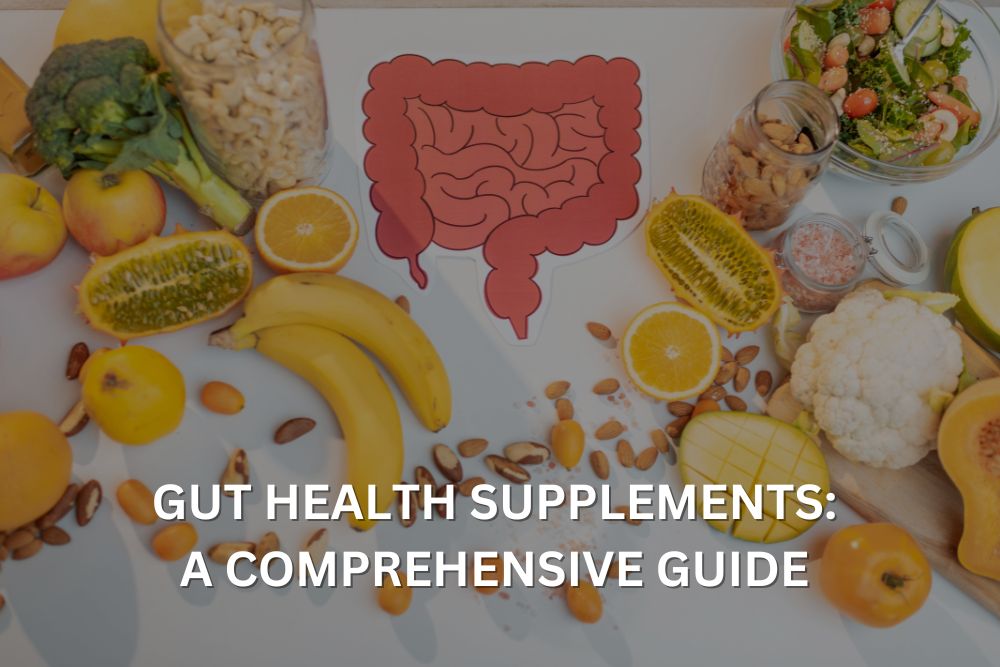
Gut Health Supplements: A Comprehensive Guide It’s everywhere! Thankfully the importance of gut health has gained significant attention in the world of nutrition and wellness and whatever you read; the gut is often referenced as being a significant contributor to the various health issues exploding around the world. I work as a registered dietitian at 121 Dietitian and I have helped thousands of patients with their gut health. One thing that all my patients cannot believe is once they have tackled their tummy problems they have noticed that this has significantly improved their overall well-being, mood, energy, mental health, weight and more. One way many people are looking to support their gut health is through the use of supplements and who can blame them – ideally a simple quick fix! Unfortunately, this is not always the case. In this article, we’ll explore the world of gut health supplements, their potential benefits, and what to look for if you do plan to go down this route. Understanding Gut Health Before we tackle gut supplements, it’s crucial to understand what we mean by ‘gut health’. The gut, or gastrointestinal tract, is home to trillions of microorganisms collectively known as the gut microbiome. This complex ecosystem plays a vital role in digestion, immune function, and even mental health. A healthy gut microbiome has a variety of good bacteria that work well with our bodies. Common Gut Health Issues Many people turn to gut health supplements to address various digestive issues, including: Bloating Constipation Diarrhoea Irritable Bowel Syndrome (IBS) Inflammatory Bowel Disease (IBD) Coeliac Disease Histamine Intolerance Food intolerances Leaky gut syndrome Types of Gut Health Supplements There are several types of supplements that can support gut health: Probiotics Probiotics are live bacteria that, when consumed in adequate amounts, can provide health benefits. They help to maintain or improve the balance of beneficial bacteria in the gut. Common probiotic strains include Lactobacillus and Bifidobacterium species. Prebiotics Prebiotics are types of dietary fibre that feed the beneficial bacteria in your gut. Common prebiotics include inulin, fructooligosaccharides (FOS), and galactooligosaccharides (GOS). Synbiotics These are supplements that combine both probiotics and prebiotics, providing a synergistic effect. Digestive Enzymes These supplements contain enzymes that help break down food, potentially aiding digestion and nutrient absorption. L-Glutamine An amino acid that plays a crucial role in maintaining the integrity of the gut lining. Collagen While primarily known for its skin benefits, collagen may also support gut health by helping to repair the gut lining. Herbal Supplements Certain herbs like peppermint, ginger, and fennel have been traditionally used to support digestive health. Choosing a Gut Health Supplement When selecting a gut health supplement, consider the following factors: Specific Strains: For probiotics, look for supplements that list specific strains, not just species. Different strains can have different effects. CFU Count: For probiotics, check the Colony Forming Units (CFU) count. This indicates the number of viable bacteria in each dose. Shelf Stability: Some probiotics require refrigeration to maintain potency, while others are shelf-stable. Quality and Purity: Look for supplements from reputable manufacturers that undergo third-party testing. Allergens: Check for any allergens or ingredients you may be sensitive to. Form: Supplements come in various forms including capsules, powders, and liquids. Choose one that fits your lifestyle and preferences. Potential Benefits of Gut Health Supplements While research is ongoing, some potential benefits of gut health supplements include: Improved digestion Enhanced immune function Reduced inflammation Better nutrient absorption Improved mood and mental health Alleviation of certain digestive symptoms It’s important to note that while supplements can be beneficial, they should not replace a healthy diet and lifestyle. A balanced diet rich in fibre, fruits, vegetables, and fermented foods is crucial for maintaining gut health. Case Study: Liz’s Gut Health Journey To show how gut health supplements can help, let’s consider our recent client Liz. Liz visited 121 Dietitian because she had chronic bloating and irregular bowel movements. Liz had struggled with these issues for several years. She tried many over-the-counter remedies, but they did not help much. She was feeling frustrated and it was impacting her quality of life. After a thorough assessment, we discovered that Liz’s diet was low in fibre and lacked variety. She also had a history of frequent antibiotic use, which can disrupt the gut microbiome along with being perimenopausal which can also add fuel to the flames. We developed a plan that included dietary changes and the introduction of a high-quality probiotic supplement. The probiotic we chose was specific to her needs and shown to support digestive health. Liz began taking a probiotic supplement every day. She also made the important dietary changes that were recommended to her in the Gut Health Program. She increased her intake to the correct type and amount of fibre-rich foods. After 2 weeks, Liz reported a significant reduction in bloating and more regular bowel movements. She felt more energetic and noticed her mood had improved as well. By the three-month mark, Liz’s gut health had dramatically improved. She no longer experienced chronic bloating, and her bowel movements were regular and comfortable and ….no more laxatives! Liz’s case shows that gut health supplements can help improve digestive health. Better eating habits also play a big role in overall well-being. Together, they can make a significant difference. Precautions and Considerations Gut health supplements can help many people. However, it is important to use them carefully. Talk to a Professional: Before starting any new supplements, it’s smart to talk with a healthcare professional. This is especially important if you have health conditions or take medications. Start Slowly: When you begin taking probiotics or gut health supplements, start with a low dose. Gradually increase the dose to help your body adjust. Be Patient: It can take time to see the effects of gut health supplements. Give it at least a few weeks before assessing their impact. Monitor Your Response: Pay attention to how your body responds to the supplements. If you experience any adverse effects, discontinue use and
14 Ways to Reduce Bloating Naturally

14 Ways to Reduce Bloating Naturally Bloating is a common digestive issue that can leave you feeling uncomfortable, with a swollen or distended abdomen. While it’s often not serious, it can be quite bothersome and affect your quality of life. The good news is that there are many natural ways to reduce bloating and improve your digestive health. As the gut expert dietitian at 121 Dietitian, I’m here to share some effective strategies to help you combat bloating naturally. Understanding Bloating Before we dive into the solutions, it’s important to understand what causes bloating. Bloating occurs when excess gas builds up in your digestive system, or when your digestive system slows down. If you feel that you have other symptoms including unexplained weight loss, fatigue, change in bowel habits, nausea etc then please see your Dr or Physician. Common causes include: Consuming gas-producing foods Food intolerances Constipation Hormonal changes Stress Certain medical conditions The following are some excellent natural ways to reduce bloating and improve your digestive health. Stay Hydrated Proper hydration is crucial for good digestive health. Aim to drink at least 8 glasses of water a day. Herbal teas, especially those with digestive benefits like peppermint or ginger, can also be helpful. However, be cautious with carbonated drinks as they can introduce more gas into your system. Regular Exercise Physical activity can help stimulate digestion and reduce bloating. Even a short walk after meals can make a difference. Yoga can be beneficial for digestive health, with certain poses designed to aid digestion and relieve gas. Manage Stress Stress can have a significant impact on your digestive system. Try incorporating stress-reduction techniques into your daily routine, such as: Deep breathing exercises Meditation Progressive muscle relaxation Regular exercise Adequate sleep Identify Food Intolerances Some people experience bloating due to food intolerances or sensitivities. Keeping a food diary can help you identify potential trigger foods. If you suspect a food intolerance, it’s best to consult with a registered dietitian who can guide you and help you find the correct nutrient balanced diet. Incorporate Digestive-Friendly Foods Certain foods can help reduce bloating and support digestive health: Ginger: Known for its anti-inflammatory properties, ginger can help soothe the digestive system. Peppermint: Can help relax the muscles of the digestive tract. Fennel: Contains compounds that can reduce gas and bloating. Pineapple: Contains bromelain, an enzyme that aids digestion. Papaya: Contains papain, another digestive enzyme. Prebiotic-rich foods: Such as yogurt, kefir, and sauerkraut, which support gut health. Consider Herbal Remedies Some herbal teas may help reduce bloating: Peppermint tea: Can help relax the digestive system. Chamomile tea: Known for its calming effects on the stomach. Limit Gas-Producing Foods While everyone reacts differently to foods, some are known to produce more gas in the digestive system. If you’re prone to bloating, you might want to limit: Beans and lentils Carbonated drinks Chewing gum Try Abdominal Massage Gentle abdominal massage can help stimulate digestion and relieve gas. Try massaging your abdomen in a clockwise direction for a few minutes after meals. Use Heat Therapy Applying a heating pad or hot water bottle to your abdomen can help relax the muscles in your gut and relieve bloating. Consider Prebiotics Prebiotics are beneficial bacteria that support gut health. While more research is needed, some studies suggest that certain probiotic strains may help reduce bloating. foods include yogurt, kefir, and fermented vegetables. Probiotic supplements are also available, but it’s best to consult with a healthcare professional to determine if they’re right for you. Avoid Overeating Eating large meals can overwhelm your digestive system and lead to bloating. Instead, try eating smaller, more frequent meals throughout the day. This can help keep your digestion steady and reduce the likelihood of bloating. Be Mindful of Fiber Intake While fibre is essential for digestive health, increasing your fibre intake too quickly can lead to bloating and gas. If you’re trying to eat more fibre, do so gradually and make sure to drink plenty of water. Avoid Tight Clothing Wearing tight clothing, especially around your waist, can put pressure on your stomach and intestines, potentially exacerbating bloating. Opt for comfortable, loose-fitting clothes, especially after meals. Address Constipation Constipation can lead to bloating. If you’re experiencing constipation, try changing or increasing your fibre intake gradually, staying hydrated, and getting regular exercise. If these measures don’t help, consult with a healthcare professional. When to Seek Professional Help While occasional bloating is normal, if you’re experiencing persistent or severe bloating, it’s important to consult with a healthcare professional. They can help rule out any underlying medical conditions and provide personalised advice. At 121 Dietitian, we specialise in helping individuals manage digestive issues like bloating. We can work with you to identify potential triggers, develop a personalised nutrition plan, and provide support as you implement changes to improve your digestive health. Remember, everyone’s digestive system is unique, and what works for one person may not work for another. It may take some time and experimentation to find the strategies that work best for you. Be patient with yourself and your body as you work towards reducing bloating and improving your overall digestive health. By implementing these natural strategies, you can take significant steps towards reducing bloating and improving your digestive comfort. Remember, good digestive health is a key component of overall well-being, and small changes can make a big difference. If you want to book your programme TODAY we would love to help you. You can book a 121 Dietitian Programme today by clicking on the link below BOOK TODAY
Gut Health Course
The 121 Gut Health Course Transform Your Gut Health in Just 10 Days with Expert Guidance! We have the program to fix you… watch our free intro video to start your journey to better wellness today. Join now and begin your journey to feeling your best! sIGN UP TODAY As a specialist dietitian with 30 years of experience, I’ve seen firsthand how debilitating gut issues can be, especially when conventional tests don’t reveal the problem. That’s why I created the 121Dietitian Gut Health Course. Through my step-by-step process, I’ve helped thousands regain control over their digestive health, and I’m confident I can help you too. Are You Still Suffering from These Unresolved Gut Issues? You’ve had all the tests, seen the specialists, and yet, your gut issues persist—abdominal pain, bloating, constipation, and more. It’s frustrating and exhausting. But you don’t have to live like this. The 121Dietitian Gut Health Course is designed to resolve your symptoms, improve your energy, and restore your quality of life. Here’s How the 121 Gut Health Course Will Transform Your Life Resolve gut issues like bloating, constipation, and reflux in as little as 10 days. Improve energy, mood, and mental clarity. Support weight management through better digestive health. Learn lifelong strategies to maintain optimal gut health. Gain the confidence of expert-guided, science-backed solutions. Don’t wait—start feeling better today! sIGN UP TODAY What You’ll Get with the 121 Dietitian Gut Health Course 12 expert-led video tutorials from Gillian Killiner. Written guides, recipes, and shopping lists. Self-paced modules, completed in the comfort of your home. Step-by-step support, including an elimination and reintroduction phase. Join today and reclaim your gut health! sIGN UP TODAY The full program is available for £397, but act fast to claim your £100 early bird discount—bringing the cost to just £297! Limited-Time Offer! This offer won’t last forever. With limited spots and special pricing, now is the time to take control of your gut health. Most symptoms resolve within 10 days, so the sooner you start, the sooner you’ll feel better. Sign up now before this offer disappears! sIGN UP TODAY Hear from our clients I was referred to Gillian by my niece and I had already experienced multiple gut issues , bloating ,indigestion and Gastritis as well as having to try to eradicate H Pylori followed by Duodenoscopy and Colonoscopy procedures . I was at my wits end with Doctors who just kept writing scripts ,passing me from pillar to post. I met face to face with Gillian who drew up a personalised programme for me involving FODMAPS and her input over the past few months has been invaluable , informative and extremely helpful .Within 2 weeks ,I felt much better and I have to say I really wish I had made an appointment with Gillian in the first instance as I honestly believe my gut issues would have been resolved a lot sooner .I cannot recommend Gillian enough !! Gabriel Reynolds Google Review Many thanks to Gillian at 121 Dietitian for her knowledge and expertise in helping me with a recently diagnosed condition. Gillian took the time to understand my diet, assess my condition and then created a bespoke plan to help and improve my symptoms. Gillian opened my eyes to no/low histamines and FODMAPS and has changed my diet forever, not to mention helping with my condition. Highly recommended. Mark Deaney Google Reviews I cannot recommend Gillian enough. I got in touch after struggling to lose weight due to PCOS and suffering from IBS. I also wanted help with fertility issues stemming from my PCOS. Thanks to Gillian, my IBS symptoms have massively reduced, and I have been able to lose a significant amount of weight. Her warmth makes you feel instantly comfortable and at ease. Gillian’s help and expertise is second to none, and she is always on hand to answer any questions. I am throughly enjoying the plan Gillian created for me and have found it easy to integrate into my everyday life. I am so grateful for the positive impact her plan has had on me. After following Gillian’s plan for less than 6 months, I fell pregnant naturally, something I wasn’t sure would ever be possible due to my PCOS. I gave birth to a healthy baby boy in November 2023. I am so truly grateful to Gillian for her expert knowledge and help, as I believe she helped to make this possible, Kirsten McBurney Google Review Join the thousands who’ve transformed their gut health! sIGN UP TODAY The 121 Dietitian Gut Health Course is your solution to chronic gut problems. With expert guidance, a proven structure, and long-lasting results, you’ll finally feel the relief you’ve been searching for. FAQ’S How long will the program take? The full course is 3 months, but most symptoms improve within the first 10 days. Do I need any special equipment? No special equipment is needed; just access to the internet for the videos and guides. What if I don’t see results? The program is designed for success. If you follow the steps, you should see improvement quickly. Is there a payment plan? Yes, the program is available for £397 with an early bird discount of £100, bringing the cost to £297. Don’t wait—transform your gut health now! sIGN UP TODAY
9 Worst Foods for Gut Health

9 Worst Foods for Gut Health Not many people reaslse that our gut health plays a crucial role in our overall wellbeing, affecting everything from our digestion to our immune system and even our mental health. While many foods can support a healthy gut, others can have a detrimental effect. Here at 121Dietitian, we address the whole body so when it comes to your unique symptoms you not only have these resolved but feel amazing too. So you can stay tip-top, this article explores the 9 worst foods for gut health and why they might be causing problems for your digestive system. Ultra-Processed Foods Ultra-processed foods are perhaps the biggest culprits when it comes to poor gut health. These are foods that have been heavily modified from their original state and often contain a long list of unhealthy ingredients, many of which you might struggle to pronounce. Examples of ultra-processed foods (shop-bought) include: Fizzy drinks Crisps and savoury snacks Mass-produced bread Sugary breakfast cereals Biscuits and cakes Instant noodles and soups These foods are typically high in processed sugar, unhealthy fats, and artificial additives, while being low in fibre and essential nutrients. They can disrupt the balance of good bacteria in your gut, leading to inflammation and digestive issues. Moreover, ultra-processed foods often contain emulsifiers, which are additives used to improve texture and shelf life. Some studies suggest that these emulsifiers can negatively affect the gut microbiome and potentially contribute to conditions like inflammatory bowel disease. 2. Fried Foods While the occasional portion of chips might be a treat, regularly consuming fried foods can wreak havoc on your gut health. Foods that are deep-fried, such as chicken nuggets, doughnuts, and chips, are often cooked in oils that are high in omega-6 fatty acids. While some omega-6 is necessary for health, an excess can lead to inflammation in the body, including in the gut. Our current intake of Omega 6 to Omega 3 ratio is seriously out of range. Currently Omega 6 to Omega 3 ratio = 16:1 when it should be 4:1 Furthermore, the process of deep-frying creates compounds called advanced glycation end products (AGEs), which can damage the gut lining and contribute to inflammation. 3. Artificial Sweeteners Many people turn to artificial sweeteners as a way to reduce their sugar intake, but these substances might not be doing your gut any favours. While research is ongoing, some studies suggest that artificial sweeteners can negatively affect the balance of bacteria in your gut. Common artificial sweeteners include: Aspartame Sucralose Saccharin These sweeteners pass through your digestive system largely undigested, but they may interact with the bacteria in your gut in ways we don’t fully understand yet. Some research indicates that they might increase the number of bacteria associated with metabolic diseases. 4. Red and Processed Meats While lean meats can be part of a healthy diet, excessive consumption of red and processed meats has been linked to various health issues, including problems with gut health. Processed meats, such as bacon, sausages, and deli meats, often contain preservatives and additives that can irritate the gut lining. They’re also typically high in saturated fat, which can promote inflammation in the body. Red meat, when consumed in large quantities, can also have negative effects on gut health. It contains a compound called L-carnitine, which some gut bacteria convert into a substance called TMAO (trimethylamine N-oxide). High levels of TMAO have been associated with an increased risk of heart disease and other health problems. 5. High-Sugar Foods Foods high in refined sugar can be particularly problematic for gut health. Excessive sugar consumption can feed harmful bacteria and yeast in the gut, leading to an imbalance in the microbiome. Some high-sugar foods to be wary of include: Sweets and chocolates Sugary drinks Many breakfast cereals Flavoured yoghurts Baked goods Sugar can also contribute to inflammation in the gut and may increase intestinal permeability, sometimes referred to as “leaky gut”. 6. Alcohol While the occasional drink might not cause significant harm, excessive alcohol consumption can have serious negative effects on gut health. Alcohol can irritate the lining of the gut, potentially leading to increased permeability. Moreover, alcohol can disrupt the balance of bacteria in the gut, potentially leading to an overgrowth of harmful bacteria. It can also interfere with the production of digestive enzymes, making it harder for your body to break down and absorb nutrients from food. 7. Dairy Products (for some people) While dairy isn’t inherently bad for everyone’s gut health, it can cause significant problems for people who are lactose intolerant or have a dairy sensitivity. Lactose intolerance occurs when the body doesn’t produce enough of the enzyme lactase to break down the sugar (lactose) in dairy products. For these individuals, consuming dairy can lead to symptoms like bloating, gas, and diarrhoea. Even for those without a diagnosed intolerance, some people find that reducing dairy intake improves their digestive comfort. 8. Gluten-Containing Foods (for some people) Similar to dairy, gluten-containing foods aren’t necessarily bad for everyone’s gut health. However, for people with coeliac disease or non-coeliac gluten sensitivity, these foods can cause significant gut issues. Gluten is a protein found in wheat, barley, and rye. For people with coeliac disease, consuming gluten triggers an immune response that damages the lining of the small intestine. Even for those without coeliac disease, some people find that they digest food more comfortably when they reduce their gluten intake. 9. Caffeine While many of us rely on our morning coffee to get going, excessive caffeine consumption can have negative effects on gut health. Caffeine can increase acid production in the stomach, which may lead to heartburn or acid reflux in some people. Moreover, caffeine has a laxative effect, which can be problematic for people with certain digestive issues. It can also interfere with the absorption of certain nutrients, particularly iron. Overall, it’s worth noting that everyone’s gut is different, and what causes problems for one person might be fine for another. The key is to pay
FODMAP Reintroduction: A Comprehensive Guide

FODMAP Reintroduction: A Comprehensive Guide If you’ve been following a low FODMAP diet to manage your digestive issues, you might be wondering what comes next. After the elimination phase, where you cut out high FODMAP foods for a few weeks, it’s time for the reintroduction phase. This phase is crucial for understanding which specific FODMAPs trigger your symptoms and how much of them you can tolerate. In this article, we’ll explore the FODMAP reintroduction process in detail, its importance, and provide a case study to illustrate how it works. What is FODMAP? FODMAP stands for Fermentable Oligosaccharides, Disaccharides, Monosaccharides, and Polyols. These are short-chain carbohydrates that some people find hard to digest. They can lead to symptoms like bloating, gas, stomach pain, and changes in bowel habits, especially in those with Irritable Bowel Syndrome (IBS). The low FODMAP diet helps reduce these symptoms by eliminating high FODMAP foods. What is a Diversity Diet? A diversity diet, simply put, is an eating pattern that includes a wide variety of foods from all food groups. It’s not about restricting certain foods or following strict rules, but rather about embracing a broad range of nutrients through different food choices. The concept is based on the idea that no single food contains all the nutrients we need for optimal health. By eating a diverse range of foods, we increase our chances of getting all the essential nutrients our bodies require. You would be surprised at how many people do not eat a diverse diet and feel happy eating the same foods over again. Unfortunately, f these foods are ultra processed and beige this is not recommended for longer-term health risks. An unhealthy diet increases blood pressure, diabetes, heart disease, cancer, obesity mental health issues and much more. Why is FODMAP Reintroduction Important? The reintroduction phase is essential for several reasons: Identify Specific Triggers: Not everyone reacts to all FODMAPs. Reintroduction helps pinpoint which FODMAP groups cause symptoms for you personally. Determine Tolerance Levels: You may be able to tolerate small amounts of certain high FODMAP foods without triggering symptoms. Increase Diet Variety: A long-term, strictly low FODMAP diet can be unnecessarily restrictive and potentially lead to nutritional deficiencies. Support Gut Health: Some FODMAPs are prebiotics that feed beneficial gut bacteria. Reintroducing tolerated FODMAPs helps maintain a healthy gut microbiome. Improve Quality of Life: Knowing your specific triggers allows for a more flexible, varied diet while still managing symptoms. The Reintroduction Process The FODMAP reintroduction phase typically follows these steps: Baseline Before starting the reintroduction, ensure you’re experiencing minimal symptoms on the low FODMAP diet. This is important because it gives you a clear starting point. Choose a FODMAP Group Select one FODMAP group to test. Common starting points are fructose or lactose, as these are single sugars and often easier to challenge. Here are the main FODMAP groups: Fructose: Found in honey, apples, and high-fructose corn syrup. Lactose: Found in milk and dairy products. Fructans: Found in wheat, onions, garlic, and certain fruits. Galacto-oligosaccharides (GOS): Found in beans and lentils. Polyols: Found in certain fruits like cherries and blackberries, and in artificial sweeteners. Select a Test Food Choose a food that contains only the FODMAP you’re testing. For example, if you’re testing fructose, you might choose honey or a ripe mango. Challenge Protocol Follow this protocol for each FODMAP group as designed by your gut health Dietitian: Monitor Symptoms Keep a detailed record of any symptoms that occur during the re-challenge. This is crucial for understanding how your body reacts. Washout Period After each challenge take a break. This period allows your gut to settle before introducing another FODMAP. Repeat Continue this process with each FODMAP group until you have tested all of them. Interpreting Results After each challenge, you’ll fall into one of these categories: No Symptoms: You likely tolerate this FODMAP well and can reintroduce foods from this group into your diet. Mild Symptoms at a Higher Dose: You may be able to tolerate small amounts of this FODMAP but should avoid larger quantities. Significant Symptoms: This FODMAP is likely a trigger for you and should be avoided or limited in your diet. It’s important to remember that tolerance can vary not just between FODMAP groups, but also between foods within the same group. For example, you might tolerate the fructans in wheat but not in onions. Case Study: Emily’s FODMAP Reintroduction Journey Let’s look at a case study to illustrate how the FODMAP reintroduction process works in real life. Background Emily is a 52-year-old woman who has been struggling with IBS symptoms, including bloating, gas, and abdominal pain for many years on and off till this year it became continuous and unbearable. After consulting with Gillian Killiner a Gut Health Specialist dietitian, she was advised on the low FODMAP program which she completed to manage her symptoms. During this time, she eliminated high FODMAP foods and focused on low FODMAP options using the 121 Gut Health Program, recipes and shopping list. The Reintroduction Phase After the low FODMAP elimination, Emily felt significantly better. Her gastrointestinal symptoms had completely gone, and she was ready to start the reintroduction phase. Fructose Challenge Result: Emily found she had a limited tolerance for fructose. So now can be confident to avoid larger quantities. Lactose Challenge Result: Emily tolerated lactose well and reintroduced dairy products into her diet. Fructans Challenge Result: Emily has a low tolerance for fructans so again can modify her diet to match her tolerance. GOS Challenge Result: Emily can tolerate GOS in moderate amounts but should be cautious with larger servings. Polyols Challenge Result: Emily was fine for polyols. Final Results By the end of the reintroduction phase, Emily discovered her tolerance levels to each FODMAP group. This knowledge allowed her to personalise her diet to avoid trigger foods while reintroducing others, resulting in a more varied and enjoyable diet with continued symptom management. Common Challenges and Solutions While the reintroduction phase is essential, it can also present challenges. Here are
Diversity Diet – Exploring the Benefits of Varied Eating
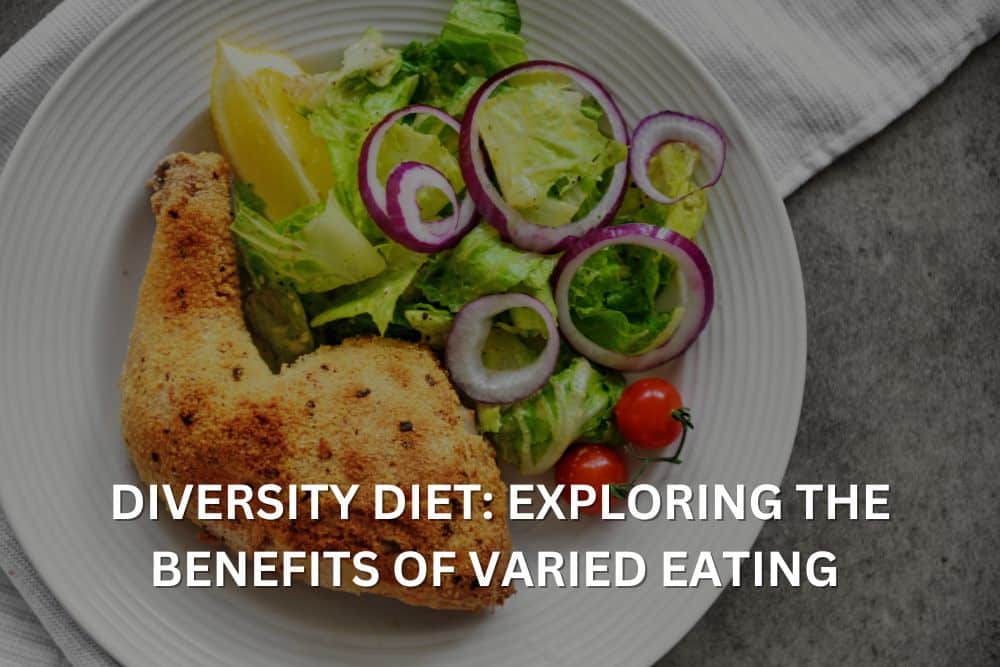
Diversity Diet – Exploring the Benefits of Varied Eating At 121 Dietitian, our days are spent educating others, which we absolutely love! Some individuals seek to improve their diets to help with health conditions or enhance sporting performance, while others aim to improve overall wellness and longevity. With the diverse range of people we see, there is one crucial aspect we ensure: a “diversity diet” or eating a varied diet. What does this mean, and why is it important? Let’s dive into the world of dietary diversity and explore its potential benefits and challenges. What is a Diversity Diet? A diversity diet, simply put, is an eating pattern that includes a wide variety of foods from all food groups. It’s not about restricting certain foods or following strict rules, but rather about embracing a broad range of nutrients through different food choices. The concept is based on the idea that no single food contains all the nutrients we need for optimal health. By eating a diverse range of foods, we increase our chances of getting all the essential nutrients our bodies require. You would be surprised at how many people do not eat a diverse diet and feel happy eating the same foods over again. Unfortunately, f these foods are ultra processed and beige this is not recommended for longer-term health risks. An unhealthy diet increases blood pressure, diabetes, heart disease, cancer, obesity mental health issues and much more. Benefits of a Diverse Diet: Nutrient Adequacy – Different foods provide different nutrients. By eating a variety of quality foods, you’re more likely to meet your body’s nutritional needs. Gut Health – A diverse diet can support a healthy gut microbiome. Our gut bacteria thrive on different types of fibre from various plant foods. Reduced Risk of Deficiencies – Eating a wide range of foods can help prevent nutrient deficiencies that might occur from a limited diet. Enjoyment and Satisfaction – Variety in our diet can make eating more enjoyable and satisfying, which can help with long-term adherence to healthy eating habits. Exposure to Beneficial Compounds – Different foods contain various phytochemicals and antioxidants that may have health benefits. Challenges of a Diverse Diet While a diverse diet has many benefits, it’s not without challenges: Cost: Some people might find that buying a wide variety of foods, especially fresh produce, can be more expensive. Time and Effort: Preparing meals with a variety of ingredients can be more time-consuming and require more planning. Availability: Depending on where you live, access to a wide variety of foods might be limited. Food Preferences: Some people, especially children, might resist trying new foods, making it challenging to introduce variety. Celery juice may also interact with certain medications like blood thinners because of its vitamin K content. How to Increase Dietary Diversity Try New Foods: However take your time, make it a goal to try one new healthy food each week. Eat the Rainbow: Choose fruits and vegetables of different colours to ensure a variety of nutrients. Vary Your Protein Sources: Alternate between different types of meat, fish, eggs, and plant-based proteins. Experiment with Whole Grains: Try different types of whole grains like quinoa, barley, or millet instead of always relying on wheat or rice. Explore Different Cuisines: Different cultures often use a variety of ingredients and cooking methods, which can help increase dietary diversity. Shop Seasonally: Buying seasonal produce can naturally increase variety throughout the year. Mix Up Your Meals: Try not to eat the same meals every week. Rotate your recipes and try new combinations. The Science Behind Dietary Diversity Research has shown that dietary diversity can have positive impacts on health. A study published in the American Journal of Clinical Nutrition found that greater dietary diversity was associated with a lower risk of metabolic syndrome, a cluster of conditions that increase the risk of heart disease, stroke, and diabetes. Another study in the British Journal of Nutrition found that higher dietary diversity was associated with better nutritional adequacy in adults. This means that people who ate a more varied diet were more likely to meet their nutritional needs. However, it’s important to note that not all studies have found clear benefits to dietary diversity. Some research suggests that too much diversity, particularly if it includes a lot of unhealthy foods, could lead to overeating and weight gain. This highlights the importance of focusing on variety within healthy food groups, rather than just eating a wide range of any foods. Dietary Diversity and Gut Health One area where dietary diversity seems particularly important is gut health. Our gut is home to trillions of bacteria, known as the gut microbiome. These bacteria play crucial roles in our health, from supporting our immune system to influencing our mood. We know from the research that a diverse diet can lead to a more diverse gut microbiome, which is generally considered healthier. Different types of fibre from various plant foods feed different types of gut bacteria, helping to maintain a balanced and diverse microbiome. A study published in the journal Nature found that people who ate more than 30 different plant foods per week had more diverse gut microbiomes than those who ate 10 or fewer. This diversity was associated with lower levels of antibiotic resistance genes in the gut, which could have implications for overall health. Case Study: Sarah’s Journey to Dietary Diversity Sarah, a 35-year-old working full time, came to see us at 121 Dietitian because she was feeling constantly tired and had frequent digestive issues. Upon reviewing her diet, Abby the dietitian noticed that Sarah’s meals were quite repetitive. She typically ate the same breakfast every day (toast with peanut butter), had a sandwich for lunch, and rotated between three or four dinner recipes. Abby suggested that Sarah try to increase the diversity in her diet. We worked together to create a plan: Breakfast: Instead of always having toast, Sarah started alternating between oatmeal with different toppings, Greek yoghurt with fruit and nuts,