
Constipation Relief

5 Evidence-Based Constipation Home Remedies by a Registered Dietitian Constipation is a common issue that affects one in five people following a Western diet. If you have ever suffered with this you will know how unpleasant the feeling is. Maybe you are currently suffering with ongoing constipation and are in need of some guidance, so please read on. I’m Gillian Killiner, a registered dietitian with 26 years of experience in helping thousands of individuals with their dietary and health needs. In this blog post, I share five evidence-based tips to assist with constipation. But first, let’s define constipation. What is Constipation? Constipation occurs when you haven’t had a bowel movement for more than three times in a week. You can assess your bowel movements by using a stool chart to evaluate consistency and type. Typically, constipated stools are hard, small lumps, or pebble-like Type 1 and 2. What is a normal bowel movement frequency as defined by the NHS? “It is normal to pass a stool everyday up to every 3 days; stools should be soft and easy to pass. You should not need to strain to pass a stool. Some people pass a stool once a day and some twice these are both normal.” So what factors in a Western diet contribute to constipation? Dietary Factors 1. Hydration for Constipation is Key One of the first and most crucial tips for relieving constipation is to stay adequately hydrated. Many people underestimate the importance of drinking enough fluids. It’s easy to forget to drink when we switch off our thirst receptors. To combat this, keep a drink, such as a glass or bottle of water, with you throughout the day. Aim for 1.5 litres minimum. You can also include herbal teas and coffee, but limit them to no more than four cups a day, and avoid making them overly strong. Excessive caffeine can contribute to dehydration, which worsens constipation. 2. Load Up on Fruits and Vegetables Consuming an ample amount of fruits and vegetables is another essential strategy for relieving constipation. Begin your day with a breakfast rich in vegetables or add fruits to your cereal. Incorporate fruits and vegetables into your meals and snacks as much as possible. Variety and color in your diet are key. These foods provide essential antioxidants, vitamins, minerals, and fibre, all of which promote healthy bowel movements. Don’t forget to consider the fibre content in your diet, which can come from sources like nuts, seeds, beans, pulses, and high-fiber grains. Aim for an average of 30 grams of fiber daily to keep your bowels moving smoothly. 3. Dried Fruits as a Natural Solution Dried fruits like prunes, dates, and raisins can also be valuable additions to your diet when dealing with constipation. They are rich in fiber and natural sugars, which can help stimulate bowel movements. Including these dried fruits in your diet can be a tasty and effective way to alleviate constipation, just keep to small portions. Lifestyle Factors 4. Embrace Exercise for Constipation Exercise plays a vital role in maintaining regular bowel movements. It helps reduce transit time, meaning food moves through your digestive system more quickly. This faster gut transit leads to improved bowel regularity. Additionally, exercise promotes the growth of beneficial gut bacteria, strengthening abdominal muscles, and overall gastrointestinal health. Aim for regular physical activity to reap these benefits. 5. Listen to Your Body Lastly, don’t ignore your body’s signals when it’s time to go to the toilet. Often, the morning after breakfast is the most opportune time to have a bowel movement. However, due to our busy lives and schedules, we sometimes ignore these cues. It’s essential not to hold onto stool if you feel the urge to go. Ignoring these signals can have negative long-term consequences. If you find yourself straining during bowel movements, consider changing your sitting position on the toilet. Squatting, for example, can create a more natural alignment for easier passage of stool. Constipation Conclusion Constipation is a common issue, but it can be effectively managed with evidence-based strategies. These five tips, including staying hydrated, consuming ample fruits and vegetables, incorporating dried fruits, embracing exercise, and listening to your body, can make a significant difference in your digestive health. Remember that there are numerous dietary, lifestyle, and supplement options available to alleviate constipation. The tips mentioned here provide a solid starting point. There are many more additional strategies out there so do get in touch if you are struggling. Often we see patients with alternating constipation and diarrhoea, which is so hard to live with. Not being able to predict how your day will go and fearful of your bowels not working smoothly can really impact on your quality of life. Our GUT Health programme is the best programme which can fix you in 6 weeks or less. Do check out my other blogs and my videos on my YouTube channel covering various aspects of diet and health, so don’t forget to like, subscribe, and share my content. Until next time, take care! If you want to book your programme TODAY we would love to help you. You can book a 121 Dietitian Programme today by clicking on the link below If you have enjoyed this blog we would love you to share this with your family and friends on your social media channels. Do visit our YouTube Channel for more on keeping your health optimal. If you are interested in how I overcame my Thyroid Autoimmune Condition do check out the About section below Before you go please check out our 121 Dietitian Shop created specifically for optimising your health. Gillian x
How to Lose Weight for Good

Effective Fat Loss Tips and Advice Introduction Hey everyone, this is the month to lose weight if you need and can! Yes you heard it! I have written about this countless times in blogs, magazines, papers and spoken on YouTube so apologies if you have heard this before, but I feel the New Year is not always the best time to embark on weight loss. It is a time of post stress, irratic blood sugars, low mood, no money, poor light, cold…. The time you want to stay warm and de-stress and nourish yourself physically and mentally. I strongly encourage after the summer months to refocus and commence a positve change. Did you know It takes 21 days to embed a new routine. How many embark on numerous weight loss journeys in January, only to find you are trapped in a cycle of losing and gaining weight, with little long-term success and give up by February. It’s a frustrating and disheartening experience that has I know left countless individuals feeling defeated. SO in this blog post, I aim to shed light on a different approach – one that is sustainable, enjoyable, and designed to help you lose weight for good. Do check out my YouTube Video on this very topic also. https://www.youtube.com/watch?v=nCXxQzxWpFs The Fear of Weight Loss I know many of you dread changing your diet to lose weight because you associate it with tasteless, unappetizing food? Others start a new diet regimen every morning, only to feel like a failure by bedtime. If this resonates with you you are not alone in these feelings. Many people have good intentions when it comes to weight loss, but they often encounter challenges that prevent them from achieving lasting results. The key is to recognize that weight loss doesn’t have to be a daunting experience; it can be a manageable and enjoyable part of your life and when you get it right, it should be flexible to work with you for good. The Pitfalls of Counting Calories and Macros to Lose Weight One common misconception about weight loss is the need to meticulously count calories and macros (macronutrients like protein, fat, and carbohydrates). While it’s essential to have a general understanding of your dietary intake, obsessively tracking these values is neither required nor sustainable in the long term. Constant monitoring can lead to frustration and dissatisfaction, taking away from the joy of eating and making it feel like a never-ending journey. Weight management should be a lifelong commitment, not a short-lived obsession. Learning takes time and so does long term successful weight loss. Commercial Weight Loss Programs – Do They Work? Commercial weight loss programs/products have their place in the industry and may yield short-term success for some individuals who are at high risk to get them to a safe place. However, for those who really don’t need them, they can trap you in a cycle of dependency on their products and quick fix guidance. Over time, this reliance can lead to a bigh expense and if not teaching you about real food will still ensure you have a lack of understanding over dietary choices -perfect for making it more confusing and leave you with no control. The initial results with any diet change can give results, but if extreme they can be very hard to maintain without supervision. We see this time and time again here at 121 Dietitian, many people come to us having regained the weight they lost and more and no idea what to do next. It’s essential to explore alternative approaches that empower you to take control of your health. Yo-Yo dieting is a NO-NO. Preparing for a Sustainable Weight Loss Journey Before embarking on a weight loss journey, it’s crucial to prepare yourself mentally and practically. Avoid falling into the trap of quick-fix solutions, as they often result in muscle loss and metabolic slowdown. Instead, set aside at least two months of your life when you can fully commit to changing your eating habits and lifestyle. This period should be free from major life changes like moving, changing jobs, or planning significant events like weddings. Sustainable weight loss requires a gradual, thoughtful approach and Autumn can be one of those perfect times. Understanding the Factors Behind Obesity Weight management is not solely about controlling your appetite and calorie intake. Several factors contribute to obesity, including your environment, emotions, impulsiveness, and early life experiences. Your surroundings play a significant role in your dietary choices. In our workd today we have a toxic environment filled with temptation. Fast food and processed snacks can lead to unhealthy habits, while a supportive environment can foster better choices. Our programmes guide you through the various trigger areas to tackle and allow you to get to a sustainable place without feeling one bit deprived. Expanding Your Food Choices to Lose Weight In a world with an abundance of food options, it’s still easy to fall into a routine of repetitive, restricted eating. Many individuals unknowingly limit their choices to a narrow range of foods, often favouring processed, unhealthy options. You may be surprised to learn that this could be becuase your gut bacteria is in control!! It’s essential therefore to broaden your palate and embrace a diverse range of nutritious foods. Start by making a list of your likes and dislikes, and identify areas where you can incorporate healthier alternatives or develop a taste for nutritious options. We would love to help you with that. Keeping a Food Diary Maintaining a food diary can be a valuable tool on your weight loss journey. In addition to documenting your meals, include details about your activities, sleep patterns, mood, and energy levels. A comprehensive diary helps you gain insight into your eating habits and their impact on your overall well-being. It serves as a mirror, reflecting your daily routine, making it easier to identify areas for improvement. You can complete a 7 day food diary and submit this alongside our questionnaire, this is
Team
Katie Wilson Katie is a registered Dietitian with over 4 years’ experience working in both the public and private sector. Her Undergraduate degree was at Queen’s university (BSc. Honours) where she studied Food science and Nutrition. Her Post-graduate degree in Dietetics was at Univeristy of Chester -and since this Katie has been working within the NHS both in hospital and Community covering nutrition support, Cancer, Gastroenterology- Crohns and IBS, Weight Management, Type II diabetes and more. Katie started freelancing in 2022 and has own super podcast (“The Better Bite”) Dietitcs Specialties include: Nutrition Support T2DM IBS intuitive eating Katie is particularly passionate about supporting clients to improve their health through a weight neutral lens without weight stigma, and find food freedom. A great fit for us here at 121 Dietitian. In her spare time, Katie loves going on long walks while listening to true crime podcasts, or pushing her limits by completing a tough workout! She winds down by escaping into a good book or rewatching one of her favourite sitcoms! (Modern Family, Friends or the US Office)
The Mediterranean Diet: Why It’s the Ultimate Choice for Healthy Living
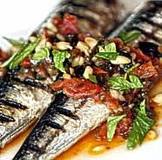
Is your diet Mediterranean? The Mediterranean diet, renowned for its numerous health benefits, is considered one of the best diets to follow. Gillian Killiner, founder of 121 Dietitian, knows this well. In this blog, she provides a snapshot into why the Mediterranean diet stands out as the ultimate choice for healthy living while fitting in with you. The Foundation of the Mediterranean Diet The Mediterranean diet is not just a diet; it’s a lifestyle. It’s found naturally in the eating habits of countries bordering the Mediterranean Sea. The climate and nutrient-rich soils found in this place are truly exceptional. With their emphasis on outdoor active living, they create a unique and enviable combination that we can all aspire to replicate. It’s a winning formula for success! Well if you don’t know already the mediterranean diet is know for the following: Why choose the Mediterranean Diet 1. Heart Health When it comes to maintaining a healthy heart, the Mediterranean diet has long been hailed as a game-changer. Countless studies have consistently shown that this dietary approach can significantly reduce the risk of heart disease [2]. What sets the Mediterranean diet apart is its emphasis on incorporating healthy fats, such as olive oil, and omega-3-rich fish into daily meals. These components work in harmony to promote a robust cardiovascular system, giving you peace of mind and improving your overall well-being. 2. Weight Management The United Kingdom has the most obese population in Europe. According to the report, 63.7 per cent population of the UK is overweight. Italy a symbol of a healthy lifestyle, has an obesity rate of only 8% of the population. If you are struggling to maintain a healthy weight look no further than the Mediterranean diet. This approach to weight management goes beyond restrictive diets and calorie counting, focusing instead on mindful eating and a balanced intake of nutrients. By choosing the right foods, you can achieve your weight goals while enjoying delicious meals and improving your overall health in the long run. The Mediterranean diet offers a sustainable solution that promotes not only weight loss but also long-term well-being. Our weight loss programmes are designed to suit you and the best dietary advice available. 3. Cognitive Well-being Maintaining cognitive well-being is crucial for leading a fulfilling and productive life. Recent research has shown that our diet plays a significant role in supporting brain health and reducing the risk of cognitive decline and conditions such as Alzheimer’s disease. A diet rich in antioxidants, omega-3 fatty acids, and nutrient-dense foods has been found to be particularly beneficial in this regard. By incorporating these essential nutrients into our daily meals, we can proactively nurture our cognitive well-being and safeguard our mental acuity for years to come. 4. Diabetes Prevention Numerous studies have shown that this diet can significantly reduce the risk of this chronic condition. By following a diet that is low in sugar and refined carbohydrates, you can effectively regulate your blood sugar levels and take proactive steps towards diabetes prevention. Our programmes ensure optimal blood sugar control and can even help reduce and remove the need for oral hypogycaemic medications. 5. Reduced Inflammation By following a Mediterranean diet and adopting these anti-inflammatory eating habits, you can significantly lower your inflammation levels. This dietary approach not only promotes overall well-being but also plays a vital role in preventing chronic diseases associated with excessive inflammation. 6. Longevity Mediterranean countries have consistently shown some of the highest life expectancies globally, with individuals often living well into their 80s and beyond. This remarkable longevity can be attributed to a combination of factors, including their dietary habits, active lifestyle, and strong social connections. Mediterranean cultures place great emphasis on leading active lifestyles. Walking is a common mode of transportation in these regions while engaging in recreational activities like swimming or playing sports is a regular part of daily life. This constant movement helps maintain cardiovascular health while keeping muscles strong and joints flexible. Equally important are the strong social connections prevalent within Mediterranean communities. Regular gatherings with family and friends for meals or celebrations create a sense of belongingness that contributes significantly to mental well-being. Studies have suggested that having robust social networks can reduce stress levels and improve overall quality of life – two crucial factors when it comes to longevity. How to Embrace the Mediterranean Diet Transitioning to the Mediterranean diet is a practical choice for anyone seeking a healthier lifestyle: In Conclusion The Mediterranean diet, celebrated for its benefits in heart health, weight management, and overall well-being, is undeniably the best choice for those looking to improve their health through diet. Its emphasis on fresh, nutrient-dense foods, healthy fats, and a balanced lifestyle makes it a sustainable and enjoyable way to eat. Remember, the Mediterranean diet isn’t just about what you eat; it’s about embracing a healthier way of life. By adopting this dietary pattern, you can enhance your quality of life and promote longevity. If you want to book your programme TODAY we would love to help you. You can book a 121 Dietitian Programme today by clicking on the link below If you have enjoyed this blog we would love you to share this with your family and friends on your social media channels. Do visit our YouTube Channel for more on keeping your health optimal. If you are interested in how I overcame my Thyroid Autoimmune Condition do check out the About section below Before you go please check out our 121 Dietitian Shop created specifically for optimising your health. Gillian x Source:
The Power of Personalised Nutrition: Unlocking Optimal Health

Discover how personalised nutrition can transform your health. Learn about the unique approach that combines valuable data about you and more. Introduction Personalised Nutrition. In a world where health and wellness are at the forefront of our minds, finding a holistic and effective approach to achieving optimal health is paramount. Imagine having a seasoned specialist Dietitian with 26 years of experience who can piece together your health puzzle using personalized nutrition. In this blog, our founder Gillian Killiner explores the innovative world of personalized nutrition and how her expertise in this field can revolutionize your journey towards optimal health. Understanding Personalised Nutrition Personalised nutrition is not a one-size-fits-all approach. It’s a tailored strategy that takes into account your individuality, including factors like genetics, lifestyle, and health status. Our specialist 121 Dietitian’s take personalized nutrition to the next level by treating each individual as a unique jigsaw puzzle, utilizing data from questionnaires, food diaries, fluid intake, blood test results, lifestyle, exercise stress levels and genetics if so required. The Benefits of Personalised Nutrition The Reality Investing in our appearance is a common practice nowadays. People are willing to spend significant amounts of money on clothes, shoes, haircuts, dental procedures, cosmetic treatments, and more. They do all this to ensure they look their best and enjoy various social activities like trips, parties, and nights out. However, it is essential to recognize that despite all the fun and excitement these experiences bring, health problems can still persist behind closed doors. These issues can greatly impact one’s quality of life by disrupting sleep patterns, lower our mood, increase our anxiety and hindering productivity at work. While indulging in these enjoyable activities is certainly important for our well-being and happiness, it’s equally vital to prioritize our health. By finding a balance between self-care and maintaining a healthy lifestyle, we can ensure long-lasting benefits that go beyond fleeting moments of pleasure. We have all gone through periods of illness, whether it’s just a temporary episode or a prolonged state of poor health. It can be quite an unpleasant experience that nobody wishes to encounter. I personally have had the unfortunate experience of going through such a phase in my life, and it has fueled my deep passion for helping others overcome their health challenges. Why Personalised Nutrition? Upon witnessing the significant impact on my own health, as well as that of thousands of patients who have benefited from our programs, it has become evident that a common theme is prevalent. Specialisms. Becoming a specialist in a particular field is indeed incredible. Drawing from my experience working in Haematology and Oncology, I have witnessed firsthand the benefits it can bring. However, it is important to acknowledge that specialists may not always possess the necessary skills to address all the diverse needs of an individual. This limitation can be concerning and hinder optimal outcomes for those seeking assistance. With our tailor-made programs, we leave no aspect untouched. We believe in comprehensive assessments and solutions that address every possible factor contributing to your well-being. Your journey towards better health is our utmost priority, and we are committed to leaving no stone unturned in finding the best approach for you. How It Works Embracing the Future of Health Personalised nutrition isn’t just a trend; it’s the future of health and wellness. As our understanding of genetics and individual responses to foods deepens, this approach will continue to evolve, unlocking new levels of vitality. Conclusion In a world where generic health approaches often miss the mark, personalized nutrition stands out as the ultimate solution. Our team, led by our experienced Dietitian Gillian Killiner RD, recognizes that you are not just another patient – you are an individual with unique needs waiting to be understood and addressed. Empower yourself with the extraordinary benefits of personalized nutrition and seize control of your journey towards optimal well-being. If you want to book your programme TODAY we would love to help you. You can book a 121 Dietitian Programme today by clicking on the link below If you have enjoyed this blog we would love you to share this with your family and friends on your social media channels. Do visit our YouTube Channel for more on keeping your health optimal. If you are interested in how I overcame my Thyroid Autoimmune Condition do check out the About section below Before you go please check out our 121 Dietitian Shop created specifically for optimising your health. Gillian x
Reflecting on My Time as a Haematology Dietitian

As a Registered Dietitian, my 26-year amazing career has been filled with incredible experiences in various specialities within the NHS and my private work. One of the most memorable and rewarding phases was my time as a Haematology Dietitian. Serving as the lead Dietitian for the Regional Haematology Department at City Hospital, this included working alongside the Oncology team also when required. Within my role I had the privilege of caring for patients facing challenging battles with their health. Throughout this role, the focus was on addressing significant weight loss and providing bespoke nutrition support tailored to each individual’s increased needs. This blog aims to highlight the hurdles and triumphs encountered during my time as a Haematology Dietitian. The Complexities of Nutrition Support as a Haematology Dietitian The patients under my care when entering the ward were mostly facing critical health conditions, Leukemia, Myeloma, Lymphoma, all cancers arising from abnormal blood or bone marrow cells. These patients often becoming extremely sick due to their treatments. Many were naturally terrified at what was ahead others were too sick to really care. A sensitive and upsetting time for patients and family members and us as a ward team worked hard to ensure everyone felt safe and supported. My top priorty from the outset was halting and addressing weight loss, as it played a crucial role in their overall well-being and treatment outcomes. My approach involved not only working out their metabolic requirements but delving deep into each patient’s likes, dislikes, and individual responses to their treatments. Understanding their preferences, optimising the timing of feeling good or not so good, and their specific treatment regimens allowed me to develop bespoke nutrition plans. Catering to Neutropenic Patients One of the most challenging aspects was catering to neutropenic patients who were confined to their laminar airflow rooms. These individuals faced significant restrictions and were unable to leave their rooms during treatment. This was lonely for them but essential to reduce infection risk which could kill them. Ensuring they received the correct food choices and supplements was of utmost importance, as it directly impacted their nutrition intake and recovery. This required close coordination with the catering and supplement rounds, and I worked tirelessly to ensure the patients’ nutritional needs and likes were met. Overcoming Unbearable Side Effects Haematology patients often experienced severe side effects like diarrhoea and vomiting due to their treatments. These side effects made it difficult for them to consume regular meals and maintain proper nutrition. As a Dietitian, I strived to find innovative solutions and worked closely with the medical team and pharmacists to mitigate these side effects. The goal was to make meals more appealing and tolerable, giving the patients a sense of normalcy and potentially something to look forward to during their challenging treatment journey. Going Above and Beyond: The Pursuit of Success I was fully committed to my patients and made sure they received optimal nutritional support. I persistently explored various avenues to enhance their well-being in this aspect.I explored various strategies, including creating mocktails and introducing low-volume, energy-rich choices to boost their nutritional intake. My interactions with pharmacists became frequent and productive as we collaborated to enhance the patients’ well-being through every possible avenue. I commisioned an audit that was very successful. This was on the importance of NJ feeding and tube insertion Day 0 at the bedside of a patient booked for a BMT (bone marrow transplant). I was fortunate to be invited to various conferences to speak about the positive results including the British Society for Haematology and the Haematology Nurses Ireland conference in Dublin. The Emotional Impact of working as a Haematology Dietitian Working in Haematology left a profound emotional impact on me. Understandably and devastatingly not everyone survived and witnessing patients’ struggles and celebrating their victories alongside them created a deep connection and sense of fulfilment. Many individuals successfully navigated their treatments with adequate nourishment, aiding their recoveries significantly. While some patients faced tougher challenges, their resilience and determination to improve their nutrition motivated me to keep exploring innovative solutions. Conclusion Looking back on my time as a Haematology Dietitian, I am filled with pride and gratitude for the opportunity to work with these brave patients. Addressing their nutritional needs during critical periods of their lives was both challenging and rewarding. The hurdles and frustrations were met with unwavering determination and a commitment to providing the best possible nutrition support. As I continue my journey as a Consultant Registered Dietitian, the experiences and lessons from my time in Haematology will forever hold a special place in my heart. I have come a long way in my private practice since these days but I continue to use the skills that I learnt over these years to assist others in their struggles with mulitple health issues including gaining weight, poor appetite, recovery post-surgery, discordered eating or bouts of severe inflammatory attacks. Detitian’s don’t just do weight loss we do weight gain and nutrition support in complex conditions, so if you have struggled or are struggling please do not hesitate to get in touch to see how we can assist you further. If you want to book your programme TODAY we would love to help you. You can book a 121 Dietitian Programme today by clicking on the link below If you have enjoyed this blog we would love you to share this with your family and friends on your social media channels. Do visit our YouTube Channel for more on keeping your health optimal. If you are interested in how I overcame my Thyroid Autoimmune Condition do check out the About section below Before you go please check out our 121 Dietitian Shop created specifically for optimising your health. Gillian x