
Coeliac disease – how a dietitian can help
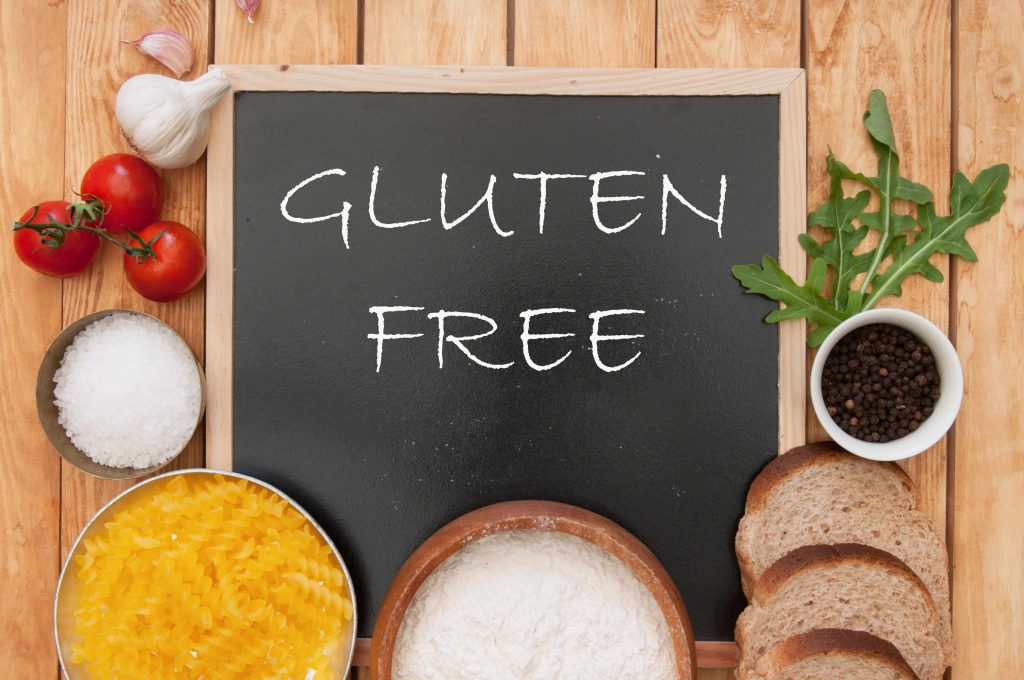
COELIAC DISEASE How can a specialist dietitian help optimise people diagnosed with coeliac disease? This is a great question and one that is asked every day by enquiring patients. Here at 121 Dietitian we have helped thousands of people, many diagnosed with coeliac disease. It can be overwhelming to learn of such a diagnosis and it can be difficult to know who to turn to. Thankfully we are the experts in optimizing health for all conditions and we have a dedicated programme that takes all the worry and stress away! WHAT IS COELIAC DISEASE? Coeliac disease is an autoimmune disease triggered in those people who are genetically at risk. This trigger causes your immune system to attack your own tissues when you eat gluten. The gastrointestinal tract is the targeted organ for this attack and the consequences are many. Interestingly 35-40% of the general population have the genes that predispose a person to celiac disease, but only around 1% of the general population develop the autoimmune disorder. SYMPTOMS There are several classical symptoms and a few more not so common, so if you feel you have an issue with Gluten you may find this helpful in getting a diagnosis. The most well-known symptoms of coeliac disease include diarrhoea (pale foul smelling fatty stools) fatigue bloating weight loss stomach ache Other not so well know coeliac disease symptoms include: indigestion constipation itchy rash nerve damage (B vitamin deficiencies) malnutrition – not getting enough nutrients from food, infertility problems – women with coeliac disease can have difficulty becoming pregnant disorders that affect coordination, speech, and balance (B vitamin deficiencies) Children with coeliac disease: have all the above symptoms along with nausea and vomiting may not grow at the expected rate and may have delayed puberty. And some people do not have any notable symptoms and this diagnosis comes as a complete surprise. IMPORTANT COELIAC STATISTICS 1 in 100 -people worldwide are affected by coeliac disease In Europe: Germany, The Scandinavian countries, Ireland, and the United Kingdom population have a higher prevalence of coeliac disease ~ 1000 to 1500 per 100,000 individuals Women to men ratio 3:1 Of patients diagnosed with Coeliac disease 50% still report symptoms while following a gluten-free diet (this is where 121 Dietitian can help) Family members 1 in 10 also have coeliac disease If you are diagnosed with coeliac disease you have a x 2 increased risk of coronary artery disease You have an increased risk of small bowel cancers x 4. COELIAC DISEASE TESTING Coeliac disease diagnosis can be made by your GP. They will take a history of your symptoms and arrange a blood test to check for antibodies that are present in the blood of people with coeliac disease. You need to keep eating gluten foods otherwise you may have an inaccurate blood test result. If this is +ve you will then be referred to a gastroenterologist to confirm this with an endoscopy and a biopsy. They will also be looking for blunt villi. Villi are finger-like projections in the gastrointestinal tract required for nutrient absorption, and when flattened do not have enough surface area to absorb sufficient nutrients. COELIAC DISEASE TREATMENT As this is an autoimmune disease – Gluten a protein found in grains is the trigger, coeliac disease is treated with a gluten-free diet. If you have been experiencing symptoms for a while with malabsorption you may need vitamins and minerals to be replaced. A specialist Dietitian who is trained in gastrointestinal diseases is the best person to assist you with optimising your diet and health for the long term. COELIAC MEDICAL TREATMENTS Coeliac disease unfortunately does not have a cure. So a strict gluten-free diet will help control symptoms and prevent long-term complications. What can often be a problem is when people have none to mild symptoms, or their symptoms go away within a few weeks of the diet, they can continue to eat or sneak some gluten and over time if not addressed serious complications can occur. Many years ago my patients often presented as very underweight, anaemic, exhausted, and having multiple nutrient deficiencies. Today this is not always the case. Many people are now being diagnosed who come to see me eating an unhealthy poor quality diet. Some carry excess weight and are nutrient deficient from this and less so from malabsorption. The worst for these people is that, if not educated in the right choices, they replace their poor gluten diet with gluten-free processed unhealthy choices. Unhealthy choices lead to the consumption of insufficient nutrients causing the patient to feel poorly and gain further weight. It is really important to therefore ensure that your gluten-free diet is designed to suit you and is wide in variety, healthy and balanced. Overall it has been fantastic that there has been an increase in the range of available gluten-free foods in the past 10 years. But the negative to this is that it is now possible to eat a diet full of unhealthy choices instead of focusing on a healthy and varied gluten-free diet. WHAT FOODS TRIGGER COELIAC DISEASE? Foods and fluids that contain Gluten include: Wheat and derivatives of wheat such as: Durum Emmer Couscous Semolina Spelt Farina Farro Kamut Einkorn wheat Rye Barley Triticale Malt including, malted milk, milkshakes, malt extract, malt syrup, malt flavouring, malted barley flour, malt vinegar Brewer’s Yeast Wheat Starch that has not been processed to remove gluten to below 20ppm Oats are contaminated in processing and packaging so are not allowed even though they do not naturally contain gluten. GLUTEN FOOD EXAMPLES The following are examples of popular foods containing gluten -so these are no longer suitable to eat – lifelong. bread pasta cereals cakes and pastries biscuits or crackers pies gravies, stocks and sauces beer WHAT HAPPENS IF SOMEONE WITH COELIAC DISEASE EATS GLUTEN? I advise and treat hundreds of newly diagnosed and refractory Coeliac patients. It is a common fear that when not in control of the cooking they are going to
Folate (L-Methylfolate) 1000μg x 90 Capsules, 5-MTHF Active Form of Folic Acid/Vitamin B9, Please See Our 400mcg Version for Pregnancy, Magnesium Stearate Free, Made in Wales

✔ PIONEERING ADDITIVE FREE SUPPLEMENTS SINCE 1998 – Health Leads is a small, family run company based in the beautiful countryside of the Teifi Valley, South West Wales. We are proud of our commitment to quality and purity, that is why we manufacture food supplements in our own facility, enabling us to have complete control to make high quality food supplements here in Wales.
✔ 5-MTHF THE ACTIVE FORM OF FOLIC ACID – The terms folate/folic acid are often interchangeably used to describe B9, but they are not all the same. Supplements called “folic acid” likely only contain pteroylmonoglutamic acid, this form once consumed needs to be converted in the liver or other tissues to the active form 5-MTHF. Folate (5-MTHF) is the active form of folic acid called 5-MTHF (L-5-Methyltetrahydrofolate, L-Methylfolate), this is the biologically active form which is better absorbed.
✔FOLIC ACID BENEFITS IN PREGNANCY – The World Health Organisation (WHO) recommend that “All women, from the moment they begin trying to conceive until 12 weeks of gestation, should take a folic acid supplement (400 μg folic acid daily). Please see our 400mcg version for pregnancy
Sevenhills Wholefoods Organic Rice Protein Powder, Vegan, 2kg

Organic Rice Protein powder made from brown rice
High in Protein, ideal for those looking for a plant based source that is also allergen free
Easy to add to incorporate into your diet; add to smoothies, soups, juice and porridge
Fatty liver how to fix NAFLD
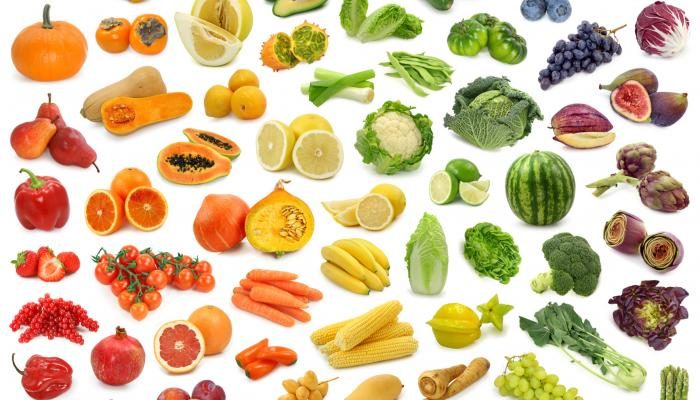
Fatty Liver Did you know Fatty liver affects 1 in 3 of us and if you have diabetes this figure is higher again. Scarily the end result, if not addressed, can be a decompensated liver and even liver failure. So, if you have been thinking about losing weight and getting more active but really don’t feel the need, you may wish to think again. Many of us bury our heads in the sand and believe we are getting along fine. No aches no pains, enjoying our current way of eating, drinking and moving when we have to. So why change? Well, today, the most common cause of chronic liver disease is nonalcoholic fatty liver disease (NAFLD) AND…. 95% of people with NAFLD do not know they have it. I have many patients come to see me for weight loss, diabetes or healthy eating advice, and when we investigate their health further, we uncover blood markers that don’t read well. It is such a common problem and one that I fix daily so I feel it is important for you to be aware. I have been researching some information to help you further, and in this blog I have pulled a few interesting details from medical papers which I have added in below. So let’s dive in. What is non-alcoholic fatty liver disease NAFLD? It is a liver disease that is NOT caused by alcohol use. Characterized by fatty infiltration of the liver. What is the main cause of a fatty liver? Fat builds up in the liver by eating excess calories. This excess energy is too much for the liver to process and too much fat creates insulin resistance and can lead to inflammation. Fatty liver can occur if you have other conditions, such as obesity, diabetes, high triglycerides, and metabolic syndrome. What are the signs of a fatty liver? There are usually NO signs of fatty liver disease in the early stages. But you may feel fatigued and have pain in the right upper quadrant (upper right part of the abdomen)- it’s usually a dull discomfort and you may wish to investigate. How serious is a fatty liver? Early-stage NAFLD, if sorted early enough thankfully can be reversed, and doesn’t usually cause harm. But if not treated it can lead to serious liver damage, including cirrhosis. Having high levels of fat in your liver is also associated with an increased risk of problems such as diabetes, heart attacks, and strokes. What is liver cirrhosis? Cirrhosis is scarring (fibrosis) of the liver caused by long-term liver damage. The scar tissue prevents the liver from working properly. If cirrhosis (the most advanced stage) occurs, you can get more severe symptoms, such as yellowing of the skin and the whites of the eyes (jaundice), swelling in the legs, ankles, feet, or tummy (oedema) and itchy skin. How do you fix a fatty liver? Great news, diet and lifestyle are first and foremost the key to success. 121 Dietitian has years of experience treating fatty liver patients and would love to help you with any of the following: Lose weight Establish a healthy diet for fatty liver Create a personalized fatty liver meal plan Improve blood sugar control Create a personalized weight management programme Support your overall liver health if needing to be medicated Suggest foods, snacks, meals and recipes for optimum liver health Make recommendations for healthier food products and supplements as required In addition, we will recommend exercise and how to be more active Assist if you have diabetes or have been diagnosed with pre-diabetes Lower your cholesterol, triglycerides, LDL, HDL. … The bottom line recommendation: If you’re overweight or obese, the aim is to reduce the number of calories you eat each day and increase your physical activity in order to lose weight. Easier said than done. I know it’s not for the want of trying different diets or strict boot camp style workouts- sadly if they are too tricky they don’t last. So that is where we at 121 Dietitian can help you with no quick fixes. Interestingly, although obesity is described in 50% to 90% of patients diagnosed with NAFLD, the condition can also affect individuals with a normal weight and body mass index so if you are experiencing health issues or have a poor diet do get checked with your Doctor if you are concerned. Can fatty liver disease be cured? The good news is that fatty liver disease can be reversed—and even cured—if patients take action early, including a minimum 10% sustained loss in body weight and/or a change in the foods you eat. How long does it take for fatty liver to go away? An average period of 6 weeks to 2 months is an expected timeframe to recover from fatty liver disease. However, lifelong adherence to particular diet and lifestyle changes may be necessary to prevent relapse. What foods are good for fatty liver? Foods That Help Fatty Liver Disease include but are not limited to…. Fish and seafood. Vegetables and fruit. Whole grains. Olive oil. What are Liver superfoods? There are no superfoods as such, but fortunately hundreds of fabulous everyday foods that when combined in correct amounts and consumed regularly can provide you with the best macro and micronutrient intake for a healthy liver and life. What medication can I take for Fatty Liver? There are no direct medicines for non-alcoholic fatty liver disease. Losing weight, eating healthily, and regular exercise can help. If you have elevated lipids, type II diabetes, and high blood pressure with lifestyle changes you may be able to reduce some of the medication you take. Adopting a healthy lifestyle is the main way of managing NAFLD. For example, it can help to: lose weight – losing more than 10% of your weight can remove some fat from the liver eat a healthy diet – try to have a balanced diet high in vegetables, fruits, protein, and healthy carbohydrates, but low in pro-inflammatory fats, sugar, and processed
Massage Gun, RENPHO Massage Gun Deep Tissue Powerful Message Gun Percussion Muscle Massage Gun Massager with 2500mAh Battery and Type-C Charging for Muscle Massage Relax, Black

HIGH SPEED 3200RPM/M BRUSHLESS MOTOR: RENPHO ACTIVE Massage Gun is equipped with Powerful 16.8V brushless motor, which can reach 1800 to 3200rpm/min, available for different muscle groups, aiding in sore muscle relief, relax and shape different body muscle parts.
SUPER QUIET LESS THAN 45dB: The brushless noise reduction motor is equipped with a new generation of noise reduction technology to control the noise within 45dB, just like whispering in the ear, making the fatigue and soreness of the body all resolved in the silent vibration, you enjoy a quiet moment of relaxation!
0.68KG SUPER LIGHT&ERGONOMIC DESIGN: Renpho Massage Gun weighs only 0.68kg,it’s much lighter than other massage guns in same size, makes it so easy to carry during the whole massage. Ergonomic design, all operations can be completed with only one button by yourself. You can even enjoy the deep tissue muscle massage independently with one hand.
Beurer TL30UK SAD Lamp | Helps combat seasonal affective disorder | Daylight therapy lamp with 10,000 lux | Adjustable stand and travel bag | UV-free LED light therapy | Certified medical device

WINTER WELLNESS: Combat symptoms of seasonal depression such as low mood and lack of energy during darker months with light therapy
LIGHT INTENSITY: Simulates natural daylight of 10,000 lux at a distance of 10 cm; Medically recognised to help ease seasonal affective disorder
COMPACT: A neat and compact SAD lamp that sits discreet on any desk and comes with protective pouch for travelling