
Soma Glass Water Bottle with Non-Slip Silicone Handle & Sleeve, Natural Bamboo Screw Cap, and Leak-Proof Design – Reusable, Refillable, BPA-Free, Eco-Friendly Alternative – Mint, 480 ml

TAKE YOUR WATER ALONG WITH EASE – With a 480 ml (17oz) size, you can stay hydrated anywhere! Perfect for at the gym, home or office. Designed for longer drinking life and fewer fills
EASILY REFILL AND CLEAN – Featuring a wide-mouth opening perfect for fitting standard size ice cubes, and easily fit a bottle brush, so you can be sure your bottle is clean
SUSTAINABLE ALL THE WAY – Our natural bamboo cap is leak-proof, and made from a renewable resource. Each glass water bottle features a soft-touch silicone handle and sleeve, adding to the overall sustainable element of the bottle
Gut Health Course
Improve Your Gut Health in Just 10 Days With Expert Dietitian Guidance SIGN UP NOW the 121 Gut Health Course Will Transform Your Life Rated 5 stars by Real Alumni on Google and Facebook Dietetic Service of the Year Finalist 2025 (Private Healthcare Awards) Supported 1,000+ Patients Led by registered Specialist Dietitian with over 30 years experience SIGN UP NOW Get your gut health back on track today A Science Backed Gut Health Course that teaches you how to improve your gut health, reduce bloating, improve digestion, and help you feel lighter, healthier, and more energised – without restrictive diets. With expert guidance and a proven structure, the 121 Gut Health Course helps you regain clarity and control over ongoing gut symptoms. Learn practical strategies for improving your gut health Reduce bloating, constipation, reflux, and digestive discomfort Improve energy, mood, and mental clarity Support weight management through better gut function Learn lifelong strategies for gut health Gain confidence with expert, evidence-based guidance SIGN UP NOW Here’s How We’ve Helped Others Just Like You Posted on Kristen McBurney Trustindex verifies that the original source of the review is Google. I cannot recommend Gillian enough. I got in touch after struggling to lose weight due to PCOS and suffering from IBS. Thanks to Gillian, my IBS symptoms have massively reduced, and I have been able to lose a significant amount of weight. Her warmth makes you feel instantly comfortable and at ease. Gillian’s help and expertise is second to none, and she is always on hand to answer any questions. I am throughly enjoying the plan Gillian created for me and have found it easy to integrate into my everyday life. I am so grateful for the positive impact her plan has had on me. Posted on Hannah Crothers Trustindex verifies that the original source of the review is Google. Gillian is the greatest. She is compassionate and professional, really helped me to understand my body’s function and how to best support it. Her advice has changed my life. Posted on Jay Rafferty Trustindex verifies that the original source of the review is Google. I would highly recommend Gillian. Her advice and guidance has been a game changer for me. With so much conflicting and confusing advice on healthy eating, using a professional nutritionalist is a must. Posted on Emma Lavery Trustindex verifies that the original source of the review is Google. I could not recommend Gillian enough over the last 3 months – she has turned my life around! I was referred to Gillian by my gastro consultant due to suffering from ibs, gastritis and hormonal issues for nearly 10 years. Gillian was very understanding and approachable throughout my time spent with her. Gillian discussed my health, lifestyle and eating habits thoroughly. She advised an individualised blood check for underlying issues, educated me on supplements and provided numerous information to help aid my recovery. The low foodmap programme I have been following is achievable and can be adapted to anyones lifestyle. As I am a vegetarian I thought this process may be difficult however Gillian reassured me that this would be no issue. She supplied personalised shopping lists, recipes and alternative foods to help heal my gut and overall health. Continual support from Gillian was on hand via email when required. I seen improvements in my symptoms within only weeks of starting the programme and was overwhelmed by the success due to suffering for years! I have been spreading the word about Gillian’s brilliant work and will continue to do so! Thank you again for all your help! Posted on mick lorkins Trustindex verifies that the original source of the review is Google. Strongly recommended. There are not many professionals that can totally change you life for the better but this one one if you follow the advice given. Posted on Bobby D Trustindex verifies that the original source of the review is Google. For 30 years I have suffered with IBS D and have been unable to find the right specific help. I was introduced to 121 Dietician about 6 weeks ago and like all other services out there I was sceptical. First up was a consultation online which was great considering the many issues I was having going to places. Gillian listened very attentively and understood the many problems I was having. Gillian decided to introduce me to the Low FODMAP diet. Starting out she provided everything (information, shopping lists, recipes etc) to get started. Through the course of the first 6 weeks Gillian was available to answer any questions or concerns. Following the first 6 weeks I’m very happy to say that all the many problems associated with IBS have gone and I’m starting to live a normal life without any stage fright when out and about. The next 8 weeks will be the reintroduction stage but based on the knowledge from Gillian in the initial stage I’m very confident that at the end I will have full understanding of all my triggers. I can’t recommend this service enough as most importantly after 30 years of severe symptoms I once again feel healthy and happy. This is a must if you suffer continually from this horrendous condition. I would be confident that this will help anyone who has IBS. For me this was the best money ever spent and I can’t thank Gillian enough for the difference she has made. Roy Dornan Posted on Jack Kennedy Trustindex verifies that the original source of the review is Google. Helped solve stomach issues, had previous been to several people but this was the first dietary intervention that worked Posted on Laura Campbell Trustindex verifies that the original source of the review is Google. After over 10 years of eating quite poorly, Gillian has completely changed my approach to food. After a consultation and review of my diet, she provided me with a list of easy and quick recipes that are packed full of nutrition. She takes into consideration
What to Eat (and Avoid) If You Have Leaky Gut
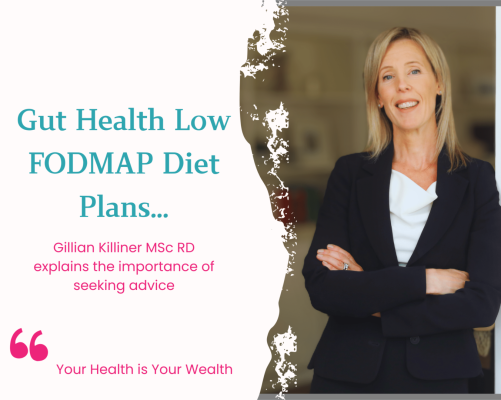
Leaky gut, or “increased intestinal permeability”, is a condition in which the walls of your intestines become loose. This allows harmful substances like bacteria, toxins, and undigested food to leak into the bloodstream. Though it is not officially recognised as a medical diagnosis, many researchers and practitioners believe it plays a role in several health issues. Conditions like coeliac disease and type 1 diabetes are often linked with leaky gut. One major cause is an increase in a protein called zonulin, which can weaken the tight junctions in the intestinal lining. Gluten, commonly found in wheat, can also trigger this condition in some people—especially those with gluten sensitivity or coeliac disease. Taking nonsteroidal anti-inflammatory drugs (NSAIDs) like aspirin and ibuprofen for long periods can damage the gut lining as well. Another factor is a low level of healthy gut bacteria, a condition known as gut dysbiosis. To help manage or reduce symptoms of leaky gut, many experts suggest avoiding processed foods, and eating more gut-friendly foods such as fibre-rich vegetables, fermented foods, and healthy fats. A balanced diet along with good lifestyle habits may help improve overall digestive health. However, there are times that this advice is not enough or just not working, and further help is required. Gillian Killiner RD is an expert Gut Specialist Dietitian who will help you address your gut health. Benefits of a Leaky Gut Diet A leaky gut diet is designed to support and heal the gut by focusing on nutrient-rich foods that help repair the intestinal lining while avoiding foods that can cause irritation or worsen symptoms. The primary goal of this diet is to ease digestive discomfort, reduce inflammation inside the intestines, and restore the natural balance of the gut microbiome — the community of good bacteria that plays a crucial role in digestion and immune health. Research shows that following a leaky gut diet can provide several important benefits: Beyond digestive health, the leaky gut diet may also ease symptoms linked to autoimmune diseases and chronic inflammation. This is because leaky gut can trigger the immune system to overreact, leading to problems like allergies, joint pain, and skin issues. Improving gut health programme provide information spend healthy life through diet may reduce these wider health problems. Key nutritional components in the leaky gut diet include: How Long Should You Follow a Leaky Gut Diet? The duration depends on individual needs and the severity of gut damage. Some people may only need to follow the diet temporarily, often for a few weeks to a few months, to allow their gut lining to heal and symptoms to improve. During this time, removing irritants like processed foods, sugar, and artificial additives is key. For those with chronic conditions such as autoimmune diseases or long-term digestive issues, maintaining a leaky gut diet long-term can help prevent flare-ups and keep symptoms under control. A permanent lifestyle change may be necessary to maintain gut health and overall well-being. It’s important to remember that healing the gut takes time and patience. Combining the diet with other healthy habits, such as managing stress, getting enough sleep, and regular exercise, can improve results. Consulting with a healthcare professional or dietitian is recommended to tailor the diet to your specific needs and ensure balanced nutrition. Heal Your Gut with These Simple, Natural Foods Leaky gut, also known as increased intestinal permeability, happens when the lining of the gut becomes damaged. This allows harmful substances like toxins and undigested food to pass into the bloodstream, causing inflammation and other health issues. To support the healing process, it’s important to focus on eating natural, gut-friendly foods and avoid those that cause further harm. 1. Natural, Whole Foods Start by choosing foods in their natural form—those that are fresh and not heavily processed. These include: Avoid processed and packaged foods such as crisps, frozen pizza, cakes, sugary cereals, and artificial sweeteners. These often contain additives, preservatives, and unhealthy fats that can damage the gut lining and disrupt the balance of gut bacteria. 2. High-Fibre Foods Fibre plays a key role in gut health. It feeds the beneficial bacteria (also called probiotics) that live in the intestines. When these bacteria digest fibre, they produce short-chain fatty acids (SCFAs) that help strengthen the gut barrier and reduce inflammation. Examples of fibre-rich foods include: 3. Prebiotic Foods Prebiotics are specific types of fibre that help feed the good bacteria in your gut. They act as fuel, helping probiotics grow stronger and do their job better. Common prebiotic-rich foods include: 4. Whole Grains (for those who tolerate them) Whole grains like brown rice, quinoa, and oats contain fibre, B vitamins, and minerals that can support overall gut function. However, people with gut sensitivity or gluten issues should be cautious. Grains that are soaked, sprouted, or fermented are often easier to digest. 5. Fermented Foods Fermented foods are natural sources of probiotics, which are live beneficial bacteria. These help restore a healthy balance of bacteria in the gut, which is especially helpful if the gut has been damaged by antibiotics, stress, or poor diet. Examples include: 6. Gut-Friendly Vegetables and Fruits Some vegetables and fruits are easier to digest and less likely to cause bloating or irritation. They also offer nutrients and antioxidants that fight inflammation. Helpful vegetables include: Helpful fruits include: 7. Nuts, Seeds, and Healthy Dairy Options Nuts and seeds offer healthy fats, fibre, and minerals. These include: For dairy, choose: Harmful Foods That Can Damage Gut Health and Trigger Bloating, Gas, and Inflammation When managing leaky gut, it’s important to avoid certain foods that can damage your gut lining, disturb your gut bacteria, or trigger bloating and inflammation. 1. Artificial SweetenersDrinks and foods with artificial sweeteners, such as diet sodas or sugar-free snacks, can upset the balance of good bacteria in your gut. These sweeteners, including xylitol and sorbitol, are hard to digest and may worsen gut issues. 2. Processed MeatsItems like sausages, burgers, and meat used in fast food often contain preservatives and
Healthy Weight Gain Support
Healthy Weight Gain Support Are you finding it challenging to: Keep weight on despite eating regularly? Get enough nutrients from your meals? Find appetising foods that support weight gain? Manage underlying health conditions affecting your weight? Maybe you are confused by all the conflicting advice out there. You’re not alone. Being underweight can stem from various factors, including: Recovery from illness Digestive issues High metabolism Stress and anxiety Medical conditions Post-surgery recovery Athletic demands At 121 Dietitian, we understand that gaining weight healthily isn’t just about eating more – it’s about eating smart. Our Personalised Approach Working with our experienced dietitian to gain weight, you’ll receive: Enjoyable, easy-to-prepare meal plans tailored to your preferences and energy levels Nutrient-dense recipe ideas that taste good Practical, simple shopping lists and food combination suggestions Expert guidance on optimising your nutrient intake Management of any underlying gut health issues Blood test interpretation and deficiency correction Ongoing support throughout your journey for optimal health and muscle growth. Why choose 121 Dietitian? 30+ years of clinical experience Evidence-based, personalised approach Thousands of successful client transformations Both in-clinic and virtual consultations available Comprehensive support system Book now For personalised support and guidance for healthy weight gain, a Dietitian @ 121 Dietitian can help you create a nutrition plan that includes the right micronutrient sources for your lifestyle. Get started today and take control of your health by contacting 121 Dietitian so we can create a balanced, enjoyable diet that works for you. Book a Free discovery call or Book your Taster Plus Programme today and take the first step towards achieving your healthy weight goals. Or call Tel+447717392306 What’s Included in the Taster Plus Programme:• Comprehensive nutrition assessment• Personalised – “created with you” action plan• Recipe guide and meal suggestions• Shopping list template• Follow-up support Don’t let being underweight hold you back from living your best life. Let’s work together to build a sustainable, enjoyable approach to reaching your ideal weight. Questions? Contact us at info@121dietitian.com
The Importance of Protein for Health
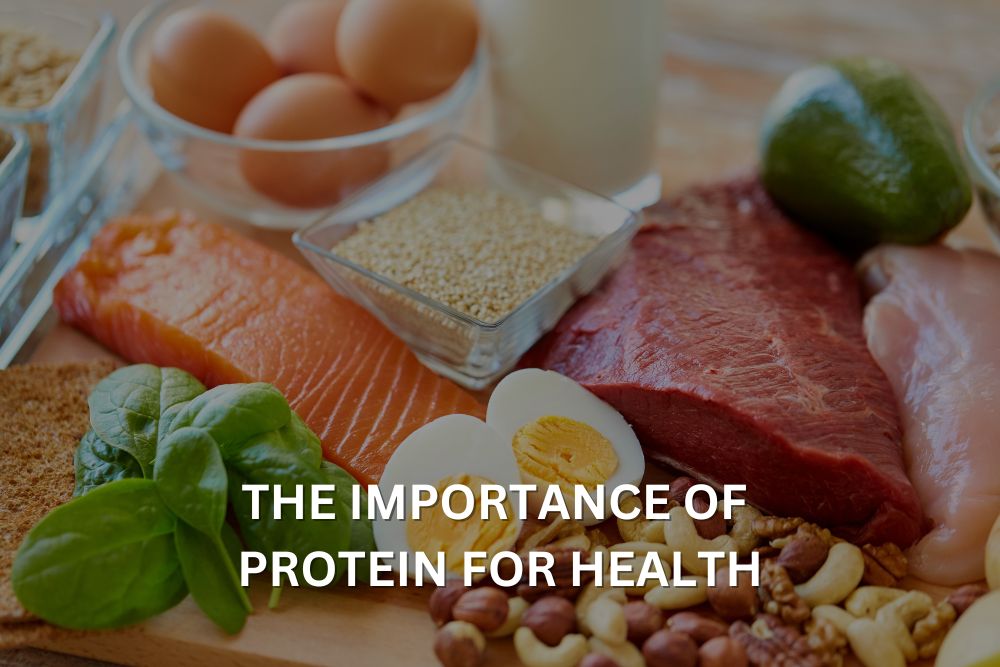
Protein is one of the most essential nutrients your body needs to function optimally.
The Role of Hydration in Maintaining a Healthy Gut
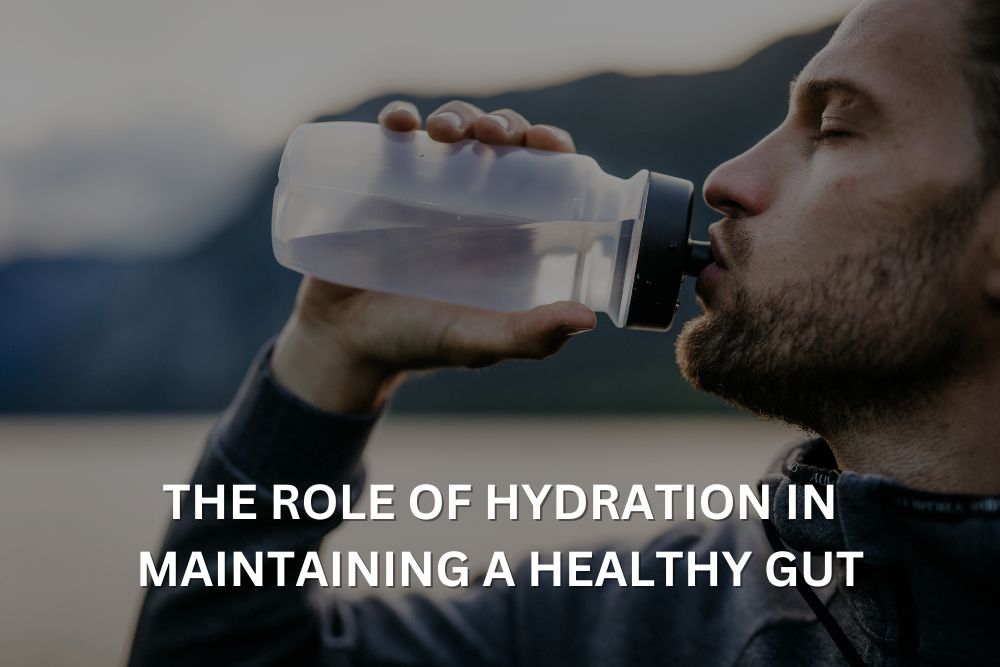
The Role of Hydration in Maintaining a Healthy Gut While we often focus on diet and exercise when it comes to health, hydration is an essential yet often overlooked factor that plays a vital role in gut function and overall well-being. As a Dietitian I see multiple people each week who are dehydrated drinking too little or the wrong types of liquids for optimal health, so I thought it would be good to explore why staying hydrated is so important for your gut and answer some commonly asked questions. Why is Hydration Important for Gut Health? Water is essential for nearly every function in the body, and your digestive system is no exception. Proper hydration supports digestion, nutrient absorption, and waste elimination. Without enough water, these processes can slow down or become inefficient, leading to discomfort and potential health issues. Here are some key ways hydration impacts your gut: 1. Aids Digestion: Water helps break down food so that your body can absorb nutrients more effectively. It also keeps the digestive process running smoothly by softening food as it moves through the gastrointestinal tract. 2. Prevents Constipation: Dehydration is one of the leading causes of constipation. When your body lacks water, it absorbs more fluid from your stool, making it harder and more difficult to pass. 3. Supports Mucosal Lining: The mucosal lining of your gut acts as a barrier to protect against harmful bacteria and toxins. Staying hydrated helps maintain this protective layer. 4. Balances Gut Microbiome: Proper hydration promotes a balanced gut microbiome by supporting the growth of beneficial bacteria while flushing out toxins and waste products. 5. Regulates Bowel Movements: Water helps maintain regular bowel movements by keeping stool soft and easy to pass, reducing the risk of digestive discomfort. 6. Assists weight management: It is all too easy to reach for a snack or meal when what you really need is a drink. Hunger can actually be dehydration. Drinking correct amounts will ensure you are not consuming excess energy contributing to excess weight. How Much Water Do You Need? The amount of water you need varies depending on factors like age, activity level, climate, and overall health. A general guideline is to drink at least 6-8 glasses (1.5-2 litres) of water per day. However, if you’re physically active or live in a hot climate, you may need more. I have not included athletes in this blog, but it is essential for them to consume the correct volume of fluids and electrolytes if they are active for over 60 to 90 minutes, depending on the conditions and the nature of the activity. Signs You Might Be Dehydrated Dehydration can affect your gut health without you realising it. Watch out for these signs: Dry mouth or throat Dark yellow urine Fatigue or low energy Headaches Constipation Bloating or digestive discomfort If you notice any of these symptoms, increasing your water intake could help improve your gut health. Tips for Staying Hydrated Here are some practical tips to ensure you stay hydrated throughout the day: Start Your Day with Water: Drink a glass of water first thing in the morning to kickstart your metabolism and rehydrate after sleep. Carry a Reusable Bottle: Keep a water bottle with you during the day as a reminder to drink regularly. Eat Water-Rich Foods: Incorporate foods like cucumbers, watermelon, oranges, and lettuce into your diet for extra hydration. Set Reminders: Use phone alarms or apps to remind yourself to drink water at regular intervals. Flavour Your Water: If plain water feels boring, add slices of lemon, ginger, cucumber, or mint for a refreshing twist. Drink Before Meals: Having a glass of water before meals not only aids digestion but also helps control portion sizes by promoting satiety. Limit Dehydrating Drinks: Reduce consumption of caffeine and alcohol as they can dehydrate you by increasing fluid loss. Reusable bottle and flask from Amazon Shop: Glass bottles or Flasks Common Questions About Hydration and Gut Health Can drinking too much water harm my gut? Yes, excessive water intake can dilute stomach acid, which may impair digestion temporarily. Stick to recommended daily amounts unless advised otherwise by a healthcare professional. Does tea or coffee count towards hydration? Yes, but be mindful that caffeine has diuretic effects when consumed in large amounts. Herbal teas or decaffeinated options are better choices for hydration after 3-4 caffeinated drinks. Decaffeinated Tea Can dehydration cause bloating? Yes! Dehydration can slow digestion and lead to gas build-up in the intestines, causing bloating or discomfort. Is sparkling water good for gut health? Sparkling water can be hydrating; however, some people find it causes bloating or gas due to carbonation. Listen to your body’s response. Watch for an excessive mineral content as high sodium levels can be dehydrating. Fizzy Dash Water How does hydration affect my microbiome? Proper hydration supports a healthy balance of gut bacteria by aiding digestion and flushing out harmful substances that could disrupt the microbiome. The Role of Diet in Hydration While drinking water is essential, your diet also plays a role in staying hydrated: Include fruits like watermelon, strawberries, and oranges. Add vegetables like cucumbers, celery, and courgettes. Opt for soups or broths as part of meals. Avoid salty meals and snacks that can dehydrate you by increasing fluid retention needs. When to Seek Professional Advice If you’re experiencing persistent digestive issues despite staying hydrated or have difficulty maintaining adequate fluid intake due to medical conditions, it is good to consult with a healthcare professional or dietitian for personalised advice. Hydration is one of the simplest yet most effective ways to support your gut health and overall well-being. By drinking enough water each day and incorporating hydrating foods into your diet, you can improve digestion, maintain regular bowel movements, and support a healthy microbiome. If you’d like to learn more about how hydration fits into maintaining optimal gut health or need personalised guidance on improving your diet for better digestion, consider exploring my online course available here This is