
What to Eat (and Avoid) If You Have Leaky Gut
Leaky gut, or “increased intestinal permeability”, is a condition in which the walls of your intestines become loose. This allows harmful substances like bacteria, toxins, and undigested food to leak into the bloodstream. Though it is not officially recognised as a medical diagnosis, many researchers and practitioners believe it plays a role in several health issues. Conditions like coeliac disease and type 1 diabetes are often linked with leaky gut. One major cause is an increase in a protein called zonulin, which can weaken the tight junctions in the intestinal lining. Gluten, commonly found in wheat, can also trigger this condition in some people—especially those with gluten sensitivity or coeliac disease. Taking nonsteroidal anti-inflammatory drugs (NSAIDs) like aspirin and ibuprofen for long periods can damage the gut lining as well. Another factor is a low level of healthy gut bacteria, a condition known as gut dysbiosis. To help manage or reduce symptoms of leaky gut, many experts suggest avoiding processed foods, and eating more gut-friendly foods such as fibre-rich vegetables, fermented foods, and healthy fats. A balanced diet along with good lifestyle habits may help improve overall digestive health. However, there are times that this advice is not enough or just not working, and further help is required. Gillian Killiner RD is an expert Gut Specialist Dietitian who will help you address your gut health. Benefits of a Leaky Gut Diet A leaky gut diet is designed to support and heal the gut by focusing on nutrient-rich foods that help repair the intestinal lining while avoiding foods that can cause irritation or worsen symptoms. The primary goal of this diet is to ease digestive discomfort, reduce inflammation inside the intestines, and restore the natural balance of the gut microbiome — the community of good bacteria that plays a crucial role in digestion and immune health. Research shows that following a leaky gut diet can provide several important benefits: Beyond digestive health, the leaky gut diet may also ease symptoms linked to autoimmune diseases and chronic inflammation. This is because leaky gut can trigger the immune system to overreact, leading to problems like allergies, joint pain, and skin issues. Improving gut health programme provide information spend healthy life through diet may reduce these wider health problems. Key nutritional components in the leaky gut diet include: How Long Should You Follow a Leaky Gut Diet? The duration depends on individual needs and the severity of gut damage. Some people may only need to follow the diet temporarily, often for a few weeks to a few months, to allow their gut lining to heal and symptoms to improve. During this time, removing irritants like processed foods, sugar, and artificial additives is key. For those with chronic conditions such as autoimmune diseases or long-term digestive issues, maintaining a leaky gut diet long-term can help prevent flare-ups and keep symptoms under control. A permanent lifestyle change may be necessary to maintain gut health and overall well-being. It’s important to remember that healing the gut takes time and patience. Combining the diet with other healthy habits, such as managing stress, getting enough sleep, and regular exercise, can improve results. Consulting with a healthcare professional or dietitian is recommended to tailor the diet to your specific needs and ensure balanced nutrition. Heal Your Gut with These Simple, Natural Foods Leaky gut, also known as increased intestinal permeability, happens when the lining of the gut becomes damaged. This allows harmful substances like toxins and undigested food to pass into the bloodstream, causing inflammation and other health issues. To support the healing process, it’s important to focus on eating natural, gut-friendly foods and avoid those that cause further harm. 1. Natural, Whole Foods Start by choosing foods in their natural form—those that are fresh and not heavily processed. These include: Avoid processed and packaged foods such as crisps, frozen pizza, cakes, sugary cereals, and artificial sweeteners. These often contain additives, preservatives, and unhealthy fats that can damage the gut lining and disrupt the balance of gut bacteria. 2. High-Fibre Foods Fibre plays a key role in gut health. It feeds the beneficial bacteria (also called probiotics) that live in the intestines. When these bacteria digest fibre, they produce short-chain fatty acids (SCFAs) that help strengthen the gut barrier and reduce inflammation. Examples of fibre-rich foods include: 3. Prebiotic Foods Prebiotics are specific types of fibre that help feed the good bacteria in your gut. They act as fuel, helping probiotics grow stronger and do their job better. Common prebiotic-rich foods include: 4. Whole Grains (for those who tolerate them) Whole grains like brown rice, quinoa, and oats contain fibre, B vitamins, and minerals that can support overall gut function. However, people with gut sensitivity or gluten issues should be cautious. Grains that are soaked, sprouted, or fermented are often easier to digest. 5. Fermented Foods Fermented foods are natural sources of probiotics, which are live beneficial bacteria. These help restore a healthy balance of bacteria in the gut, which is especially helpful if the gut has been damaged by antibiotics, stress, or poor diet. Examples include: 6. Gut-Friendly Vegetables and Fruits Some vegetables and fruits are easier to digest and less likely to cause bloating or irritation. They also offer nutrients and antioxidants that fight inflammation. Helpful vegetables include: Helpful fruits include: 7. Nuts, Seeds, and Healthy Dairy Options Nuts and seeds offer healthy fats, fibre, and minerals. These include: For dairy, choose: Harmful Foods That Can Damage Gut Health and Trigger Bloating, Gas, and Inflammation When managing leaky gut, it’s important to avoid certain foods that can damage your gut lining, disturb your gut bacteria, or trigger bloating and inflammation. 1. Artificial SweetenersDrinks and foods with artificial sweeteners, such as diet sodas or sugar-free snacks, can upset the balance of good bacteria in your gut. These sweeteners, including xylitol and sorbitol, are hard to digest and may worsen gut issues. 2. Processed MeatsItems like sausages, burgers, and meat used in fast food often contain preservatives and
Pregnancy and IBS: What Every Mum-to-Be in the UK Should Know
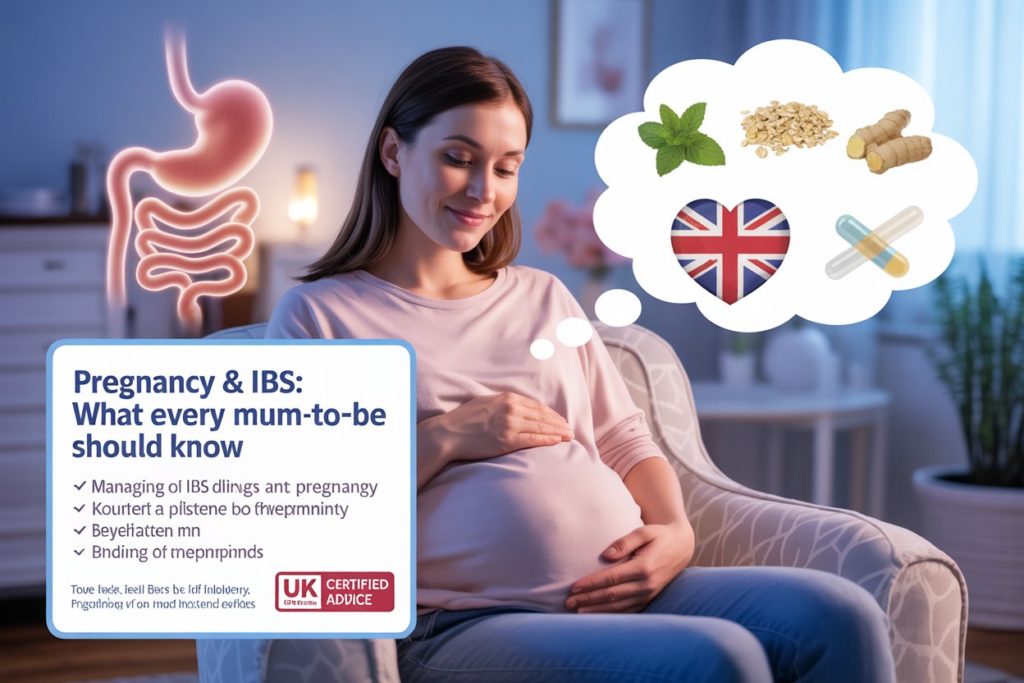
Irritable Bowel Syndrome (IBS) is a common condition that affects the digestive system. It often causes stomach pain, bloating, gas, and changes in bowel habits like diarrhoea or constipation. Many women experience IBS during pregnancy or may already have it before becoming pregnant. During pregnancy, hormone changes, stress, and pressure on the stomach can sometimes make IBS symptoms worse. It’s important for pregnant women with IBS to understand how pregnancy might affect their condition. This helps them manage symptoms better and stay comfortable. Eating a healthy diet, staying hydrated, managing stress, and getting regular checkups can support both digestive health and a healthy pregnancy. How Pregnancy Affects IBS Symptoms: Causes and Changes During pregnancy, a woman’s body goes through many changes, especially in hormone levels. These changes can affect different parts of the body, including the digestive system. Some women notice that their symptoms of Irritable Bowel Syndrome (IBS) improve during pregnancy, while others may find that their symptoms get worse. Some women may notice their symptoms get worse, while others might find them improving. 🔺 Why can symptoms get worse? 🔻 Why can symptoms get better? As the baby grows, it puts pressure on the intestines. This can slow down digestion and cause discomfort. If you have IBS during pregnancy, you might face issues like increased gas, stomach pain or cramps, constipation, or sometimes diarrhoea. These symptoms can sometimes feel like normal pregnancy discomforts, which makes it hard to tell the difference. That’s why it’s important to monitor any changes and talk to your doctor if you notice anything unusual. How to Safely Manage IBS During Pregnancy? Managing IBS (Irritable Bowel Syndrome) during pregnancy needs extra care. It’s important to work closely with your doctor or a qualified dietitian. They can help you follow a plan that keeps both you and your baby safe. Experts like 121 Dietitian specialise in digestive health and give special advice for pregnant women. They may suggest a gentle version of the Low FODMAP Diet. Gillian Killiner, RD, is an expert dietitian specialised in gut health. She has helped many patients recover using her unique and science-based programs. At 121 Dietitian, we believe in offering patients the latest medical and research-backed treatments. We are proud to provide this special care to our clients. One key program we offer is the Low FODMAP Diet for IBS (Irritable Bowel Syndrome). This diet has been successful for over 75% of people worldwide, while the official UK guidelines show about 30% success. But at 121 Dietitian, our success rate is even higher—95%. This is because we treat the whole person, not just the symptoms. Our detailed and personal approach sets us apart, especially in Northern Ireland. Gillian Killiner was the first dietitian in London trained in Low FODMAP Diet in 2011. Since then, she has been a source of hope for people with IBS, whether in Northern Ireland, the UK, or other countries. Why choose our Gut Health program? Many patients come to us after trying many tests and treatments with no success. Some have avoided certain foods for years but still have gut problems. When foods are removed incorrectly, the body can lack important nutrients like protein, vitamins, and minerals. This can cause tiredness, weakness, sadness, and other health issues. Also, some medicines for acid reflux or stomach pain can reduce nutrient levels over time, making problems worse. That is why we created different Gut Health programs in Belfast to solve these common but serious issues. Every person gets a customised plan. This may include the Low FODMAP Diet to reduce symptoms and improve health. This helps reduce symptoms like bloating or stomach pain, without causing any lack of nutrition. Helpful Food Tips for Pregnant Women with IBS: Always talk to a healthcare expert before making any changes to your diet during pregnancy. Every person is different, and a personalised plan works best. Managing IBS During Pregnancy: Simple and Effective Tips The methods you used before to manage IBS can still help now: Eat small amounts frequently. This helps your stomach handle food better. Drink plenty of water to keep your digestion smooth. Avoid stress as it can make IBS worse. Stay away from foods that trigger your symptoms, like very oily or spicy dishes. Increase fibre slowly in your diet. There are two types of fiber: Both affect IBS differently. Adding too much fibre suddenly can make symptoms worse. Slowly add fibre from fruits, vegetables, seeds, and whole wheat bread. Keep your diet balanced. If you are following a Low FODMAP diet, talk to your doctor. They can guide you on how to get the right nutrients during pregnancy to keep your baby healthy. Include natural probiotics in your diet. These are good bacteria found in yogurt, fermented drinks, or supplements. Probiotics may improve digestion. Always check with your doctor first. Exercise lightly, like walking or safe pregnancy exercises. Exercise helps your digestion and also relaxes your mind.At 121 Dietitian, we also help women with IBS flare-ups during pregnancy. We create a special diet plan that can give you relief from symptoms. You can join our Gut Health Programme, where we guide you step-by-step on how to take care of yourself during pregnancy with IBS. We will provide you with the right advice and support to manage your health in the best way possible. FAQs What should I avoid with IBS in the UK? Avoid foods that trigger your symptoms, like fatty foods, caffeine, alcohol, spicy foods, and some dairy products. Also, reduce stress and avoid eating large meals. Should I go to work if I have IBS? Yes, you can go to work and we help people take control again so they can return. Managing symptoms with a good diet, regular bathroom breaks, and stress control helps you stay comfortable. Is IBS considered a disability in the UK?IBS is usually not classed as a disability unless symptoms are very severe and affect daily life. Some people may get extra support if their IBS is
Healthy Weight Gain Support
Healthy Weight Gain Support Are you finding it challenging to: Keep weight on despite eating regularly? Get enough nutrients from your meals? Find appetising foods that support weight gain? Manage underlying health conditions affecting your weight? Maybe you are confused by all the conflicting advice out there. You’re not alone. Being underweight can stem from various factors, including: Recovery from illness Digestive issues High metabolism Stress and anxiety Medical conditions Post-surgery recovery Athletic demands At 121 Dietitian, we understand that gaining weight healthily isn’t just about eating more – it’s about eating smart. Our Personalised Approach Working with our experienced dietitian to gain weight, you’ll receive: Enjoyable, easy-to-prepare meal plans tailored to your preferences and energy levels Nutrient-dense recipe ideas that taste good Practical, simple shopping lists and food combination suggestions Expert guidance on optimising your nutrient intake Management of any underlying gut health issues Blood test interpretation and deficiency correction Ongoing support throughout your journey for optimal health and muscle growth. Why choose 121 Dietitian? 30+ years of clinical experience Evidence-based, personalised approach Thousands of successful client transformations Both in-clinic and virtual consultations available Comprehensive support system Book now For personalised support and guidance for healthy weight gain, a Dietitian @ 121 Dietitian can help you create a nutrition plan that includes the right micronutrient sources for your lifestyle. Get started today and take control of your health by contacting 121 Dietitian so we can create a balanced, enjoyable diet that works for you. Book a Free discovery call or Book your Taster Plus Programme today and take the first step towards achieving your healthy weight goals. Or call Tel+447717392306 What’s Included in the Taster Plus Programme:• Comprehensive nutrition assessment• Personalised – “created with you” action plan• Recipe guide and meal suggestions• Shopping list template• Follow-up support Don’t let being underweight hold you back from living your best life. Let’s work together to build a sustainable, enjoyable approach to reaching your ideal weight. Questions? Contact us at info@121dietitian.com
Irritable Bowel Syndrome (IBS)- everything you need to know..
Struggling with bloating, cramps, or unpredictable bowels? You might be one of the millions affected by Irritable Bowel Syndrome (IBS). In this blog, expert Dietitian Gillian Killiner explains the causes, symptoms, and evidence-based strategies to manage IBS — including how personalised nutrition and lifestyle changes can help you take control of your gut health.
Natural Alternatives to Weight Management: A Dietitian’s Perspective on the Ozempic Trend
Are injectable medications like Ozempic the only answer to weight management? As recently featured in The Independent, I’ve shared insights on natural alternatives to help manage weight and appetite effectively—without relying on medication.
Discover how simple changes, such as a protein-rich diet, fibre-filled meals, regular exercise, stress management, and quality sleep, can naturally reduce cravings and enhance your overall health.
Ready to learn more? Explore my full guide on natural, sustainable approaches to weight management today.
Dietitian Calculators
Calculators Relative Fat Mass: Body Water: Weight Gain: