
The role of nutrition on mental health
Recently, we have been witness to a rise in exposure of mental health, thanks to the media. Never has it been more prevalent, and so now is the perfect time to look at the research and focus on what can be done to improve our mental health. In particular, one of the most obvious, yet under acknowledged factors, is the role which nutrition plays on our mental health. Here, we take a look at which foods research has indicated plays a contributing role. It’s undeniable that in recent years, research has indicated a link between diet and mental health. In fact, this body of evidence is growing at a rapid rate, and yet, diet still often remains a last resort when it comes to addressing ways to help improve or prevent the onset of mental health issues. Most of the brain is actually derived directly from food. Changes in our diet in recent years mean that what we are eating on a daily basis is in fact much different in its nutritional content than that of our ancestors. Our heart, liver and stomach are organs, and so too is our brain. It is acutely sensitive to what we eat. To remain healthy, it needs different amounts of nutrients ranging from; essential fatty acids, amino acids, vitamins, minerals and water. If you are someone who has ever smoked, drank alcohol, tea or coffee, or eaten chocolate, you will know only too well that they can alter the state of your mood, the effect, depending on the substance, is thankfully often temporary! But what is less commonly known is that some foods can actually have a longer lasting influence on mood and mental well being, and this is the focus of the work successfully provided to all clients by 121 Dietitian. Research has shown that food plays an important role in the development, management and prevention of mental health problems, such as depression, schizophrenia, attention deficit hyperactivity disorder and Alzheimer’s disease, but which foods in particular are they referring to? Research suggests the following: Dramatically decrease your consumption of sugar Top of the list is to decrease your consumption of sugar, and in particular fructose, grains, and processed foods. Not only are processed foods high in sugar and grains, they are also packed full of a variety of additives, which can affect your brain function and mental state, especially artificial sweeteners. Research has shown that a diet rich in processed foods is also linked to an increased risk of depression. Increase your intake of fish Several studies have indicated that low levels of fish consumption by country were linked to higher levels of depression among its citizens, and vice versa. Fish is rich in omega-3 fats, which are crucial for optimal brain function and mental health. Up your vitamin B intake Low levels of the B vitamins including vitamin B1, B2, B12 and folate have been linked to an increased risk for depression. Ensure your diet is rich in seafood, beef, chicken, pork, milk and eggs to increase your daily intake. Get more vitamin D The best way to up your vitamin D levels is through regular sun exposure. Vitamin D is essential for your mood. There’s a reason why people are happier when it’s sunny! One study found that people with the lowest levels of vitamin D were 11 times more prone to depression than those with normal levels. The best way to optimize your vitamin D levels, is through sunshine but in this country, it isn’t always easy. When it comes to foods rich in vitamin D, opt for salmon, tuna, sole, fortified cereals, eggs, ricotta, milk, pork and mushrooms. Remember, SAD (Seasonal Affective Disorder) is a type of depression that we know is related to sunshine deficiency, so it would make sense that the perfect way to optimize your vitamin D is through sun exposure. In summary, while research is still on-going to understand the role that nutrition plays in contributing to our mental health, early evidence already shows there is a clear link. The work at 121 Dietitian ensures all patients treated daily in clinic benefit from this and their results are testimony to this. What can you do to experience some positive changes? Start by reducing your intake of processed foods and refined sugar, consume foods rich in omega-3, and B vitamins, as well as soaking up those sunshine rays, and if you are not sure about how to do this fully come and see us happy people at 121 Dietitian. If you are unsure of how to change your eating habits, or need help optimising the foods you eat please do contact us. We would love to help you or your family and friends with any nutrition related queries big or small. In the meantime do please check out our 121Dietitian Shop If you have enjoyed this blog we would love you to share this with your family and friends on your social media channels. Why not visit our YouTube Channel for more on keeping your health optimal. How can a Dietitian help Book a consultation via our Online Portal About Gillian Killiner Check out our tailored dietary programmes Gillian x [instagram-feed] Information checked & correct on 16th May 2018.
Butternut Squash super salad recipe
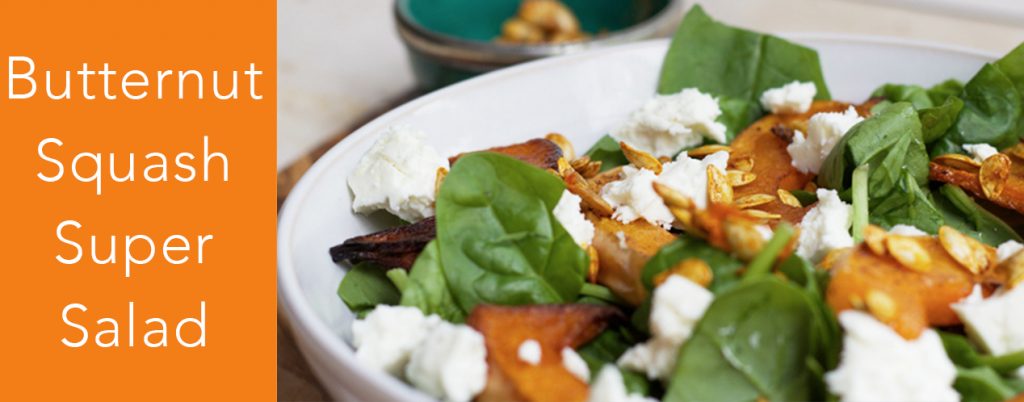
Think salads are just for summer? Think again! This easy to prepare super salad recipe includes butternut squash, one of autumn’s sensational foods. For a little bit more variety, the tempeh can be swapped for feta cheese or why not use half of each. If you try out it, make sure to tell us about it in the comments below. Butternut Squash salad recipe – Ingredients 1 small butternut squash, chopped into small chunks 1 tbsp olive oil 150g quinoa 1 vegan stock cube 1 lemon juiced and zested 1 handful of flat leaf parsley chopped 1 handful of mint or basil chopped 150g tempeh or feta cheese cut into small cubes 12 cherry tomatoes, halved 1 pomegranate, seeds only How to make Butternut Squash salad recipe Preheat the oven to 200c/180c fan/gas 6. Place the butternut squash cubes on a baking sheet, drizzle with 1-2 tbs olive oil or coconut oil and season with salt and pepper, roast for 30 minutes or more until soft in the middle and crispy at the edges. If you are in a rush you don’t need to peel the squash before cooking. The skin adds great texture and fibre! Butternut squash is packed full of nutrients, high in Vitamin A, Vitamin C, folate, magnesium and potassium to name a few. Meanwhile cook the quinoa for 20 minutes in a large pan, with 800ml of vegetable stock cube, mixed in hot water. Cook until tender. Drain in sieve and rinse. Quinoa is a grain that contains all your required amino acids the building blocks for muscle repair. It is also high in magnesium, vitamin E, iron, potassium and fibre. Turn into a large bowl with butternut squash and toss with lemon juice, zest, remaining olive oil, the chopped herbs, tempeh or feta and tomatoes. Scatter with pomegranate seeds. Voila! A tasty autumn/winter salad that will provide you not only with plenty of taste but an excellent range of nutrients for multiple health benefits. If you are unsure of how to change your eating habits, or need help optimising the foods you eat please do contact us. We would love to help you or your family and friends with any nutrition related queries big or small. In the meantime do please check out our 121Dietitian Shop If you have enjoyed this blog we would love you to share this with your family and friends on your social media channels. Why not visit our YouTube Channel for more on keeping your health optimal. How can a Dietitian help Book a consultation via our Online Portal About Gillian Killiner Check out our tailored dietary programmes Gillian x [instagram-feed] Information checked & correct on 16th May 2018.
10 seasonal foods – autumn foods to fall for
It’s no surprise that at different times of the year, certain seasonal foods are at their best. As we leave the days of summer and its sumptuous foods behind us, it’s time to look towards a new season, and thankfully, autumn’s glorious food offering is every bit as tantalizing. Autumn boasts a wealth of fruit and vegetables which are rich in disease-fighting phytochemicals and so here, we take a look at 10 foods to fall for this autumn. Parsnips While these root veggies might look similar to carrots, they offer a delicately sweet flavour, and so perfect for those with sweet tooth cravings (and great for kids too!). Although they contain less vitamin A than carrots, they make up for this in their wealth of fibre, vitamin C, calcium and iron. Their versatility means they can be steamed, boiled, roasted or sautéed and in most recipes, they can replace carrots, potatoes or sweet potatoes. Autumn is the perfect time for making pots of soup and parsnips will add a lovely sweetness, pairing perfectly with other vegetables. Sweet potatoes Sweet potatoes are having a real moment in the foodie world and it isn’t surprising why. You will be forgiven for thinking they’re part of the potato family, when in fact they are a storage root, rather than tubers. Rich in beta-carotene, (vitamin A), each serving contains four times the recommended daily allowance. In fact, they’re so rich that in comparison, you’d have to eat 23 portions of broccoli to consume the same quantity of vitamin A! As a low glycemic food, sweet potatoes are highly recommended for diabetics as they slowly release carbohydrates which helps maintain steady blood sugar levels. Again, they can easily be baked, grilled or steamed and can easily replace potatoes in recipes. Pumpkins More than simply just a Halloween decoration, pumpkins are mighty in their antioxidant properties, as well as beta-carotene, vitamin C and folate. Pumpkins are delicious chopped and oven baked as the perfect side dish or serve as a delicious ingredient in a warming soup. Don’t forget to use their seeds too! These are a fantastic source of protein, zinc and omega-3 fatty acids. Roast in a hot oven for approximately 45 minutes and keep them handy as a perfect snack throughout the day. Cranberries A ripe autumnal berry, cranberries are low in fat and play a key role in reducing the risk of urinary tract infections, gum disease, ulcers, heart disease and cancer. They also boast anthocyanins, a healthy heart antioxidant. A small percentage of their crop is sold fresh each autumn, with the rest produced as juice, dried or as cranberry sauce. A little tart, they complement other fruits such as apples and pears perfectly, and make a welcome addition to baked delicacies, such muffins. Butternut squash Butternut squash is loaded with vitamin A and is recognized for its sweet, creamy flavour. With a dry flesh, it is best steamed or baked, while its firm texture makes it ideal for a curry. Peeling squash can be a bit of a chore, so we say… don’t do it! Simply leave the skin on, chop and bake it in the over to enjoy its delicious goodness. Turnips Turnips, or swedes, as commonly known in Ireland and Scotland, are cruciferous vegetables, shown to protect against cancer. They have a white flesh and tough outer skin that ranges from yellow to purple and are more bitter than potatoes. Turnips work particularly well boiled, mashed or roasted and can be easily incorporated into recipes where you’d normally use potatoes. They’re a great source of vitamin C and fibre. Apples Although enjoyed all year round, apples are at at their best during the autumn months. Rich in flavonoids, a potent antioxidant, studies have shown that enjoying a diet rich in these can lower the risk of heart disease, heart attacks and some cancers. Their versatility means they can be eaten both uncooked and baked, serving as a featured ingredient in many recipes. Pears High in fibre, and just as versatile as apples, pears can be enjoyed baked, poached or raw and eaten as part of a healthy diet, helping to reduce blood cholesterol levels. Why not try them served in low-fat pancakes, as a guilt-free treat?! Clementines Clementines or mandarin oranges are bitter orange hybrids. Rich in vitamin C, they’re great for keeping skin healthy, particularly during the colder months when it can become dry. Seedless and with loose skin, clementines are a great snack for those on-the-go days. They also make for a great addition to chicken dishes for a tropical twist! Figs Don’t neglect the fig! With more fibre content than any other dried or fresh fruit and an excellent non-dairy source of calcium, figs are a welcome addition to any diet. When pureed, they can be used as both a sweetener and fat substitute in a wealth of baked goods. If you are unsure of how to change your eating habits, or need help optimising the foods you eat please do contact us. We would love to help you or your family and friends with any nutrition related queries big or small. In the meantime do please check out our 121Dietitian Shop If you have enjoyed this blog we would love you to share this with your family and friends on your social media channels. Why not visit our YouTube Channel for more on keeping your health optimal. How can a Dietitian help Book a consultation via our Online Portal About Gillian Killiner Check out our tailored dietary programmes Gillian x [instagram-feed] Information checked & correct on 16th May 2018.
Gallstones diet – the facts
Gallstones are more common than you may think. A gallstones diet could help. In fact it’s estimated that more than 1 in every 10 adults in the UK has gallstones. But what exactly are they and what effect can they have on the body? Today, we share the facts on gallstones and the risk factors which increase their likelihood. What are gallstones? The gallbladder is a small sac on the underside of the liver. Bile (also called gall) is a greenish-brown liquid produced by the liver. It’s stored and concentrated in the gallbladder and passed into the small intestine (through the bile ducts) to help with digestion, mainly of fats. Gallstones occur when bile, which is normally fluid, forms stones. They contain lumps of cholesterol-like (fatty) material that has solidified and hardened. Sometimes, bile pigments or calcium deposits can form gallstones. Some people have many very small stones, like fine gravel, and some have a single stone that’s big enough to completely fill the gallbladder. Who is at risk of developing gallstones? One in 10 people will develop gallstones. Women, people over 40 and overweight people are more likely to develop them. Gallstones are also more likely if: Your bile contains too much cholesterol The outlet from your gallbladder is blocked or infected You have a family history of gallstones How will I know if I have gallstones? Gallstones are often discovered by accident, when you have an X-ray or ultrasound scan for another reason. In these cases, it’s usually best to leave them alone unless they produce symptoms. Fewer than one in five people with gallstones have symptoms, because the stones usually stay in the gallbladder and cause no problems. However, sometimes gallstones may lead to your gallbladder becoming inflamed (cholecystitis), which can cause: Pain below your ribs on the right hand side Pain in your back and right shoulder Fever Nausea Biliary colic If gallstones pass down your bile duct into your duodenum, you will experience a painful condition known as biliary colic. The pain is usually felt in the upper part of your abdomen, in the centre, or a little to the right, and often occurs about an hour after a meal that has a particularly high fat content. The pain is usually continuous, lasting a few hours before it disappears. However, some people experience ‘waves’ of pain and others have continuous pain for more than 24 hours. Some people describe the pain as being similar to very severe indigestion. In some cases, the pain can be so severe that they report feeling like they’re having a heart attack. Also, people can feel sick and may vomit. The effects of gallstones Infection Gallstones can sometimes cause flu-like symptoms, such as a high temperature and shivering. This can be a sign that gallstones are causing an infection to develop in your gallbladder. You will normally be admitted to hospital to have your gallbladder removed if you develop this problem. Jaundice This is an uncommon complication of gallstones. It occurs if a gallstone comes out of the gallbladder, but gets stuck in the bile duct. Bile then cannot pass into the gut, and so seeps into the bloodstream. This causes your skin and the whites of your eyes to turn yellow (jaundiced). The stone may eventually be passed into the gut, but you’ll normally need an operation to remove it. Pancreatitis This is an inflammation of the pancreas. It occurs when a small gallstone passes through a bile duct and blocks a pancreatic duct or causes a reflux of fluids and bile into this duct. Acute pancreatitis develops in about 5% of people that have gallstones and is more common in patients with small, multiple stones. Gallstones Diet Recent decades have seen gallstones on the increase in our western population. Why is this? Our love of processed/convenience foods, high sugar consumption and insufficient healthy fats, fluids and fibres are major factors in stone formation. 121 Dietitian provides the gold standard in assessment and dietary treatment specific to you and your health. Using natural foods and fluids to reduce the inflammatory processes our gallstones diet programme will allow you to settle your gallstones and optimise your health. If you are unsure of how to change your eating habits, or need help optimising the foods you eat please do contact us. We would love to help you or your family and friends with any nutrition related queries big or small. In the meantime do please check out our 121Dietitian Shop If you have enjoyed this blog we would love you to share this with your family and friends on your social media channels. Why not visit our YouTube Channel for more on keeping your health optimal. How can a Dietitian help Book a consultation via our Online Portal About Gillian Killiner Check out our tailored dietary programmes Gillian x [instagram-feed] Information checked & correct on 16th May 2018.
Healthy Food like your body
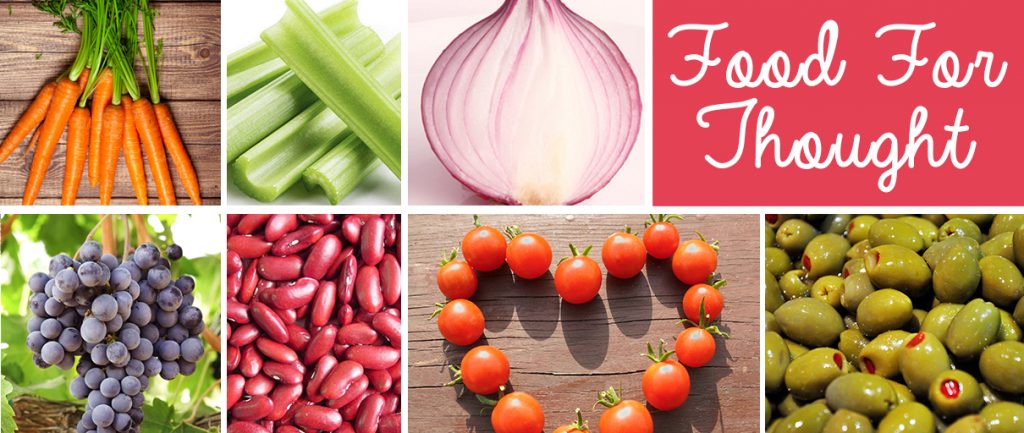
Over the years, studies have looked at the relationship between food and their impact on the body and in particular, it’s fascinating to learn that healthy food can help certain organs that resemble their same shape! While there are many theories, we have put together a selection of our favourites, showing the power of food and its function. A sliced carrot looks just like the human eye. Cut one open to reveal the pupil, iris and radiating lines, which look just like the human eye. And what’s more, science shows that carrots greatly enhance blood flow to and function of the eyes, so while that old adage of carrots helping you see in the dark might not be entirely true, there is some logistic in the statement. A tomato has four chambers and is red, just like the heart. Current research indicates that tomatoes are indeed pure heart and blood food, so up your intake today! Grapes hang in a cluster that adopts the shape of the heart, and when opened, each grape looks like a blood cell. Recent studies show that grapes are a profound heart and blood vitalizing food. A walnut looks like a little brain, with a left and right hemisphere, upper cerebrums and lower cerebellums. Even the wrinkles or folds on the nut are just like the neo-cortex. What’s more, we now know that walnuts help develop over 3 dozen neuron-transmitters for brain function. Kidney beans actually heal and help maintain kidney function and yes, they look exactly like the human kidneys. Celery, bok choy, rhubarb and more look just like bones. These foods specifically target bone strength. Bones are 23% sodium and these foods are 23% sodium. If you don’t have enough sodium in your diet the body pulls it from the bones, making them weak. These foods replenish the skeletal needs of the body. Onions look like body cells. Today’s research shows that onions help clear waste materials from all of the body cells. They even produce tears which wash the epithelial layers of the eyes! Shaped like the pancreas, ironically, the ‘sweet’ potato has great health benefits for an organ that helps with sugar load in the body! Despite its name, a sweet potato actually helps the pancreas do its job, balancing the glycemic index of diabetics. Resembling the shape of ovaries, olives assist the health and function of the ovaries. The healthy fats, vitamins and minerals found in these tasty fruits of the olive tree have been shown to reduce the risk of ovarian cancer. Furthermore, olive oil is excellent treatment for skin and hair, delays old age and treats inflammation of the stomach. If you are unsure of how to change your eating habits, or need help optimising the foods you eat please do contact us. We would love to help you or your family and friends with any nutrition related queries big or small. In the meantime do please check out our 121Dietitian Shop If you have enjoyed this blog we would love you to share this with your family and friends on your social media channels. Why not visit our YouTube Channel for more on keeping your health optimal. How can a Dietitian help with healthy food Book a consultation via our Online Portal About Gillian Killiner Check out our tailored dietary programmes Gillian x [instagram-feed] Information checked & correct on 16th May 2018.
Gluten free dairy free chocolate cake
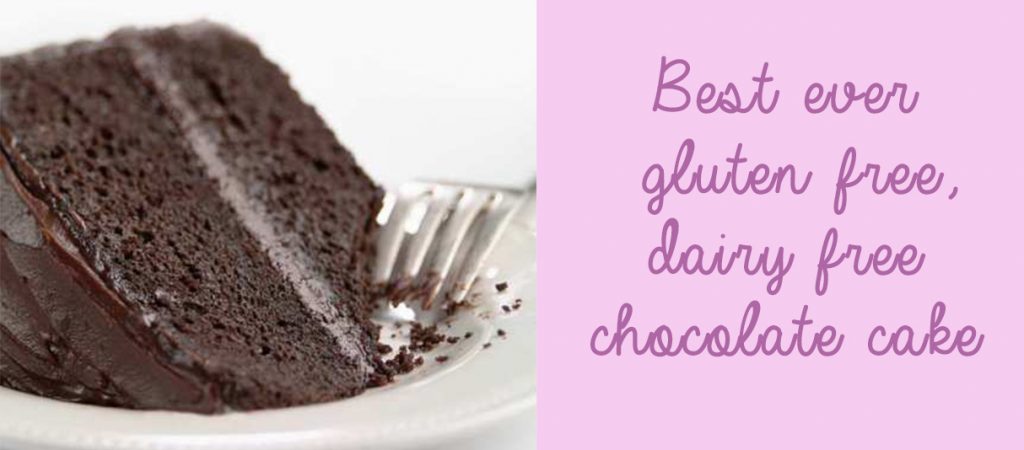
We recently celebrated my birthday & my daughter Laura very kindly baked a delicious chocolate cake. As the recipe is for a Gluten free dairy free chocolate cake, it means our entire family can enjoy it. Knowing how hard it can be to get a good recipe for a dairy free, gluten free chocolate cake, Laura wanted to share this tried & tested recipe with you. We hope you like it as much as we did. Ingredients for Gluten free dairy free chocolate cake 75g cocoa powder 137ml boiling water 150g softened butter (Dairy free) 400g caster sugar 262g self raising flour 1 1/2 tsp baking powder 1/4 tsp xanthan gum 4 eggs, beaten 187ml almond milk For the icing 150g dark chocolate 250g butter (dairy free) 250g icing sugar Pinch of salt Method for making Gluten free dairy free chocolate cake Pre-heat oven to 170°c Grease 2 round baking tins Sift cocoa into a large bowl. Add boiling water and butter, mix until smooth Pour in the caster sugar, self raising flour, baking powder & xanthan gum Mix the eggs & milk into the dry items, making a smooth batter Pour into cake tins Bake for approximately 40 mins Remove from the oven and allow to cool While your cake is cooking prepare the icing – begin by putting chocolate into bowl over a pan of boiling water to melt In a large bowl, place butter and icing sugar and mix well until combined Add melted chocolate and mix Once cake is cooled, spread between layers, top as desired and enjoy If you are unsure of how to change your eating habits, or need help optimising the foods you eat please do contact us. We would love to help you or your family and friends with any nutrition related queries big or small. In the meantime do please check out our 121Dietitian Shop If you have enjoyed this blog we would love you to share this with your family and friends on your social media channels. Why not visit our YouTube Channel for more on keeping your health optimal. How can a Dietitian help with healthy Gluten and Dairy free foods Book a consultation via our Online Portal About Gillian Killiner Check out our tailored dietary programmes Gillian x [instagram-feed] Information checked & correct on 16th May 2018 and 1st January 2023.