
How to Improve Gut Health in the UK

Understanding Gut Health Gut health is a very common concern that Gillian Killiner, our 121 gut specialist award winning Dietitian is asked to assess by Drs, Consultants, AHPs and patients who self-refer. She treats many every day, whether it be through online consultations or face-to-face in her clinic. If you’re not familiar with the concept of gut health, don’t worry! It’s a broad topic that encompasses various aspects related to different parts of the body, in addition to the gut itself and in the next few blogs we hope to cover these areas in more detail so you can get a better understanding. Gut Bacteria The gut microbiota, also known as gastrointestinal bacteria, is a diverse community of microorganisms that reside primarily in a part of the large bowel known as the colon, which is part of the digestive tract. This community includes bacteria, viruses, fungi, and other single-celled organisms. The gut microbiota plays a crucial role in various aspects of human health, and its composition can vary among individuals. A healthy gut not only strengthens our immune system but also supports the well-being of essential organs like the heart and brain. Moreover, it positively influences mood, fostering happiness and satisfaction. We know that when the gut is not balanced health is compromised at many levels. How are we able to assess our gut bacteria? Research into gut bacteria has been conducted since the invention of the microscope around 1665. Over the past 30 years, there has been a significant leap in this field, thanks to the sequencing of small molecules of life, including DNA and eventually RNA. What is Gut Health? The term “Gut health” is the umbrella term for various health conditions including : GERD Irritable bowel syndrome Hemorrhoids Coeliac disease Gallstones Constipation Diverticulitis Gastritis Ulcers Colorectal cancer Diarrhoea Gastrointestinal infections Liver disease Pancreatitis Esophageal cancer Gastroparesis Years of research and work in practice link these conditions to our gut bacteria whether as a direct cause, preventative or used as a treatment. In addition extensive research has also been linking the vital organs like brain, heart, liver, skin to our gut bacteria and how imbalances in the gut microbiota can lead to increased intestinal permeability or “leaky gut,” allowing harmful substances to enter the systemic circulation and burdening liver function. We know the health of our skin is closely linked to our gut health due to their shared immune system involvement. Research indicates that disruptions in the balance of intestinal flora may contribute to skin conditions like acne, eczema, psoriasis, rosacea, and dermatitis. The gut-brain axis is a bidirectional communication system between the brain and the GI tract. Treating the gut can directly assist mental health and well-being. Our Gut Health Programme is adapted to suit all gut health issues and more. Excellent Gut Health Ensuring excellent gut health at every age is crucial for overall wellness. An effective digestive system also promotes efficient nutrient digestion and absorption, which subsequently enhances sleep quality. Hence, giving priority to gut health is highly recommended. × Dismiss this alert. Dietitian’s Role in Managing Digestive Disorders A dietitian plays a crucial role in managing digestive disorders by providing tailored nutritional guidance to alleviate symptoms, promote digestive health, and improve overall well-being. Our 121 Gut Health Programme has helped thousands of people not only regain control of their bowel symptoms and health but also improve their sleep, mental clarity, weight and other health issues. How does 121 Dietitian work to improve Gut Health? At 121 Dietitian we work closely with other healthcare professionals to aid in the diagnosis and treatment of digestive disorders. We perform detailed individual assessments take a deep dive into the detail in our 60-minute consultation before writing up a detailed bespoke plan, supplement and lifestyle protocol. Before attending an appointment, our patients are required to log in to our online Portal to complete our background questionnaire and Food and Symptoms Diary. This part of the programme is completely free of charge and allows one of our specialist dietitians to direct you to select the correct programme. The programme includes a 30-minute review to ensure the programme has been successful and provide further nutritional advice and guidance as part of the programme requirements. Mairead AdamsGoogle Review Read More After having COVID at the end of 2022 I suddenly developed allergies to Milk products and intolerances to other foods. My Gastroenterologist recommended I see Gillian, who put me on her low Fodmap Programme at the end of September and I am now at the Reintroduction Stage. Since commencing the Programme, my bowel movements and general health have improved dramatically. I sleep better and a number of my aches and pains have gone. After having diarrhoea for 9 months, effectively, I can now go out and about without that worry of knowing if I will be close to a toilet and if I will be able to get there on time, to constantly carrying Immodium, just in case. The peace of mind this has given me is enormous, never mind that I now feel more like a ‘normal’ person. I still have to watch what I eat, especially in relation to my milk allergy, which may take a bit longer to ‘fix’, if it can be fixed. However, the change in me is amazing and I am extremely grateful to Gillian for her time, advice and patience in getting me to this point. Thank you Gillian. How a Specialist Dietitian can fix your Gut… Specialist gastrointestinal Dietitian Gillian Killiner brings her 26 years of dietetic experience to help each patient she sees. Her deep dive is extensive – here are just some of the areas covered…. Fibre Management We guide patients on appropriate fibre intake, considering the type and amount of fibre that can aid in digestion without causing discomfort. Food Allergies and Intolerances We identify and address food allergies or intolerances that may contribute to digestive issues.Recommend suitable alternatives to replace problematic foods. Hydration We emphasise the importance of adequate
Meet the 121 Dietitian Team

121 Dietitian provides a full Private Dietetic Service across the UK, Northern Ireland and worldwide. Founder Gillian Killiner is the Lead Dietitian supported by the following specialist team.
Diet and Eyesight :The Vital Connection
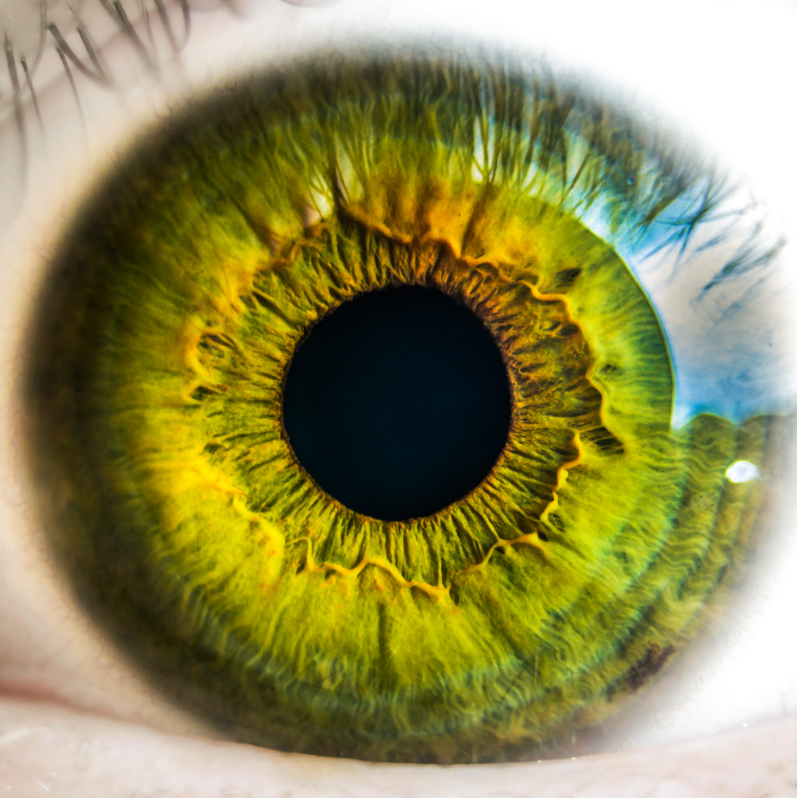
Today, I am going to explore a topic that’s often overlooked: the relationship between Diet & Eyesight. It is so important and I can’t believe I haven’t talked about it before! Your eyes are a windows to your overall health and can really impact your quality of life if you find yourself with an eye related health problem. Welcome if you are new here to 121 Dietitian. I’m Gillian Killiner, founder of 121 Dietitian, and I have been writing blogs for many years on various topics alongside my clinical work. So hopefully you will find some information relevant or interesting to you. Understanding the Basics – Diet & Eyesight So what does the eye do? The human eye is a complex organ. It works like a camera by capturing and processing light, which is then transformed into visual information that our brain can understand. Its well-being relies on a variety of nutrients to function optimally. These nutrients can be obtained through a balanced diet, and they play a crucial role in maintaining good eyesight throughout your life. So lets look first at foods that could impact negatively on your eye health: 1. Sugary Drinks Sugary fizzy drinks, energy drinks, sweet tea, and lemonade, high fructose syrups. These beverages are often loaded with sugar, and excessive sugar consumption can increase your risk of developing type 2 diabetes and heart disease. These conditions, in turn, can lead to eye problems like diabetic retinopathy and age-related macular degeneration (AMD). Just to put things in perspective, a single soft drink can contain a whopping 37 grams of sugar! So, it’s wise to be mindful of how many sodas you consume daily. 2. Fish & Shellfish Fish and shellfish are generally considered healthy sources of protein and essential nutrients. However, they do contain small amounts of mercury. While this isn’t a major concern for most people, certain groups are more susceptible to health problems related to mercury exposure. This includes pregnant women, nursing mothers, and children. For these individuals, it’s recommended to limit fish intake to 2 portions per week to reduce the risk of eye damage. 3. Bread Products Bread products, such as white bread and pasta, are daily dietary staples for many of us. However, they contain simple carbohydrates that are digested quickly, leading to rapid spikes in blood sugar levels. This can contribute to chronic inflammation, a condition linked to AMD. If you’re worried about the impact of bread products on your eye health, consider limiting your consumption and exploring whole-grain alternatives. 4. Prepackaged Foods Prepackaged foods are convenient but often not healthy and frequently contain high levels of sodium, which can lead to high blood pressure. Elevated blood pressure, can damage your retina and result in a condition known as hypertensive retinopathy. To reduce your sodium intake, look for “low sodium” labels on canned goods, soups, and sauces when food shopping, but more importantly rethink the amount you use of these products and consider how you can cook with natural ingredients when possible. 5. Processed Meat Processed meats like bacon, deli meats, sausages are loved by many but can be high in sodium as well. Beyond contributing to hypertensive retinopathy, excessive sodium intake can cause choroidopathy, characterized by fluid buildup under the retina, and neuropathy, which can lead to blockages in blood flow. So the message here is to watch your salt and sugar intake as this can go a long way in preserving your eye health. So what can you eat instead? Thankfully there is an abundant variety of foods and fluids that can assist and nourish the eyes. Key Nutrients for Healthy Eyes Preventing Age-Related Eye Conditions: Consuming a diet rich in antioxidants, such as vitamins C and E, can help protect your eyes from the oxidative stress associated with aging and reduce the risk of cataracts and AMD. Maintaining Eye Moisture: Omega-3 fatty acids help keep your eyes moist and reduce the risk of dry eye syndrome, which can be uncomfortable and affect your vision. Enhancing Night Vision: Adequate intake of vitamin A ensures your eyes can adapt to low-light conditions, which is crucial for night vision. Shielding Against Harmful Light: Lutein, zeaxanthin, and beta-carotene act as natural filters, protecting your eyes from harmful ultraviolet (UV) and blue light. Promoting Eye Tissue Health: Nutrients like zinc support the health of eye tissues and may reduce the risk of conditions like macular degeneration. Conclusion – Diet & Eyesight Our eyes are invaluable, and protecting our vision should be an integral part of our daily life. A diet rich in the right nutrients can play a pivotal role in maintaining and safeguarding eyesight. By incorporating foods rich in vitamins A, C, E, omega-3 fatty acids, zinc, and carotenoids into your daily meals, you are investing in the long-term health of your eyes. At 121 Dietitian, we understand the importance of nutrition in promoting overall well-being, including eye health. If you’d like personalized guidance on optimizing your diet for better eyesight or any other nutritional concerns, don’t hesitate to reach out. Remember, a nutritious diet isn’t just about looking good; it’s about seeing the world around you safely for years to come. If you want to book your programme TODAY we would love to help you. You can book a 121 Dietitian Programme today by clicking on the link below CONTACT TODAY Vitamin A: This is perhaps the most well-known nutrient for eye health. Vitamin A helps maintain the health of your cornea, the outermost layer of your eye. A deficiency in vitamin A can lead to night blindness and other vision problems. Vitamin A is found as retinol in meats, dairy, eggs and Beta-carotene in fruits and vegetables. Vitamin C: Found in fruits and vegetables like oranges, strawberries, and bell peppers, vitamin C supports the blood vessels in your eyes and can help prevent cataracts and age-related macular degeneration (AMD). Vitamin E: Nuts, seeds, and leafy greens are rich sources of vitamin E, which is known for its antioxidant properties. Antioxidants
121 Dietitian Team
Meet the Team Gillian Killiner BSc.(Hons)Pg Dip.MSc.RD 121 Dietitian provides a full Private Dietetic Service across the UK, Northern Ireland and worldwide. Founder Gillian Killiner is the Lead Dietitian supported by the following specialist team. To Book: Select the Dietitian you require and click The Book Now Button We are all available online but do have face-to-face clinics available for some specialist services. Please do enquire. Caroline Smith BSc.RD – AP Paediatric Dietitian I am an Advanced Practice Paediatric Dietitian with 15 years’ experience in the NHS. I earned my Degree in Human Nutrition and Dietetics from King’s College London in 2007. Starting in elderly care and the stroke unit at a North London District General Hospital, I quickly specialised in Paediatrics, moving to a specialist post at Kingston Hospital within a year of qualifying. I completed Masters level qualifications in Paediatric dietetics while managing a diverse paediatric caseload. In 2010, I moved to a clinical specialist post at the Royal Brompton Hospital in central London, focusing on managing children with cystic fibrosis and complex heart and lung conditions. In 2012, I returned to Belfast, working within the Northern and Southern trust across various specialties in paediatrics, including inpatients, general clinics, and allergy-focused outpatient care. Since 2015, I’ve specialised in Type 1 Diabetes, supporting children and their families from diagnosis, conducting group education sessions, and optimizing diabetes management through diet. From March 2020, I’ve been in my current role, focusing on infants and children with cow’s milk protein allergy and other food allergies, providing support, advice, and individualised action plans. I’ve also worked extensively with families managing selective eating in toddlers, assessing nutrition status, and supporting behavior management for optimal growth. Additionally, I’ve focused on infants struggling to gain weight, ensuring their nutritional needs are met for development. I enjoy researching, writing, and have published articles in Nutrition magazines and presented a poster on weight management in children with type 1 diabetes. Recently, I’ve begun offering private services in allergy management and am excited to join the 1:1 dietitian team to expand paediatric care further. Personally, I’m married with three school-aged children and two cats. I relish good food, diving into a good book, exploring Northern Ireland’s coast and the Lake District, where my in-laws live, and spending quality time with friends. Book Now Abby Olu-Sholanke BSc.(Hons) MSc.RD I am Abimbola (Abby) Olu-Sholanke (B.Sc Hons, MSc, RD, mBDA, HCPC), a Registered Dietitian with over 15 years of experience in hospital and private practice. My journey began with a degree in Nutrition and Dietetics from the University of Ibadan (BSc. Hons) and a postgraduate degree in Agronomy, specializing in environmental toxicology, from the same university. Starting my career as a nutritionist/dietitian at a specialist and cardiac hospital, I’ve provided dietary interventions for various conditions including heart disease, hypertension, type 2 diabetes, obesity, fatty liver, and high cholesterol. I’ve worked with diverse clients across corporate, private, and public sectors, advocating for nutrition through radio shows and other media features. Through this journey, I’ve developed expertise in community/group nutrition, clinical weight management, hypertension and type 2 diabetes support, heart health, and more. I’m actively engaged in the community, leading a wellness group and supporting individuals during the challenging times of the COVID lockdown. As a freelance dietitian based in Belfast, my specialties encompass hypertension, type 2 diabetes, gut health, clinical weight management, nutritional therapy, geriatric nutrition, functional nutrition, personalized recipes, and support for disordered eating. My passion lies in guiding and supporting clients towards their health goals, aiming for a better quality of life. Outside work, I find relaxation in watching movies with family, enjoying music, leisurely walks with my partner, or even indulging in a power nap. I have a love for travel, speak English, French, and Yoruba, and aspire to explore more of the world while picking up golf along the way. Book Now Katie Wilson BSc. (Hons) PgDip. RD Undergraduate at Queen’s University (BSc Honours) – food science and nutrition – Post-graduate in Dietetics at University of Chester – 4 years experience as a dietitian, within NHS, I have worked in hospital and community settings and worked with conditions ranging from nutrition support, cancer, gastrointestinal such as Crohn’s and IBS, weight management, T2DM and others – I started freelancing in 2022 and have the podcast (“The Better Bite”). Areas of interest – nutrition support, T2DM, IBS, intuitive eating – Particularly passionate about supporting my clients to improve their health through a weight-neutral lens, without weight stigma, and find food freedom. In my spare time, I love going on long walks while listening to a true crime podcast, or pushing my limits by completing a tough workout. I love winding down by escaping into a good book or rewatching one of my favourite sitcoms (Modern Family, Friends or the US Office) for the hundredth time! Book Now Danielle O Hagan BSc. PgDip. RD I qualified as a Registered Dietitian in 2019 of which I’ve spent working in the NHS gaining various experiences. My journey began with an undergraduate degree in nutrition from Liverpool Hope University, followed by a postgraduate degree in Dietetics from the University of Chester. Since then, I’ve gained extensive experience across various NHS settings in England and Northern Ireland, focusing on gastroenterology, diabetes, oncology, and nutrition support. My primary interests lie in: Nutrition support Type 2 diabetes Oncology I’m driven by a passion to enhance patients’ quality of life by improving their oral intake and minimizing dietary restrictions. Outside work, I love taking long walks, spending quality time with family, and staying active and fit. Book Now Instagram Facebook Youtube X-twitter Linkedin
Health and Happiness for 2024
A New Year to rethink… Hi to you all Firstly I wish to thank you for your support in reading our blogs and following us on Facebook, Instagram, and LinkedIn. We hope you had a pleasant Christmas Break and some relaxation was included. It’s hard at this time of year if it is cold and dark outside to feel upbeat and energised, but there is something about a New Year that gets people thinking and wanting to change. We, as you know, love to help people and are here at 121 Dietitian as a growing team to assist you in your diet, lifestyle and health goals. Please do give us a call or message if you wish to discuss your plans and see how we can assist you or a friend or family member. We do hope you keep reading and liking our blogs which I have been creating to guide you through much confusion and please watch out for some new plans and services that we hope to bring you in 2024. Many thanks and Health and Happiness to you all for 2024 Warm regards Gillian x Gillian Killiner – Founder and Director @ 121 Dietitian If you want to book your programme TODAY we would love to help you. You can book a 121 Dietitian Programme today by clicking on the link below CONTACT TODAY
Bulk Brown Rice Protein Powder, Vegan Protein Shake, Unflavoured, 1 kg

Premium, high quality Brown Rice Protein from a leading sports nutrition brand
A high quality source of protein for vegans and vegetarians.
Highly soluable for easy mixing