Gut Health Course
The 121 Gut Health Course Transform Your Gut Health in Just 10 Days with Expert Guidance! We have the program to fix you… watch our free intro video to start your journey to better wellness today. Join now and begin your journey to feeling your best! sIGN UP TODAY As a specialist dietitian with 30 years of experience, I’ve seen firsthand how debilitating gut issues can be, especially when conventional tests don’t reveal the problem. That’s why I created the 121Dietitian Gut Health Course. Through my step-by-step process, I’ve helped thousands regain control over their digestive health, and I’m confident I can help you too. Are You Still Suffering from These Unresolved Gut Issues? You’ve had all the tests, seen the specialists, and yet, your gut issues persist—abdominal pain, bloating, constipation, and more. It’s frustrating and exhausting. But you don’t have to live like this. The 121Dietitian Gut Health Course is designed to resolve your symptoms, improve your energy, and restore your quality of life. Here’s How the 121 Gut Health Course Will Transform Your Life Resolve gut issues like bloating, constipation, and reflux in as little as 10 days. Improve energy, mood, and mental clarity. Support weight management through better digestive health. Learn lifelong strategies to maintain optimal gut health. Gain the confidence of expert-guided, science-backed solutions. Don’t wait—start feeling better today! sIGN UP TODAY What You’ll Get with the 121 Dietitian Gut Health Course 12 expert-led video tutorials from Gillian Killiner. Written guides, recipes, and shopping lists. Self-paced modules, completed in the comfort of your home. Step-by-step support, including an elimination and reintroduction phase. Join today and reclaim your gut health! sIGN UP TODAY The full program is available for £397, but act fast to claim your £100 early bird discount—bringing the cost to just £297! Limited-Time Offer! This offer won’t last forever. With limited spots and special pricing, now is the time to take control of your gut health. Most symptoms resolve within 10 days, so the sooner you start, the sooner you’ll feel better. Sign up now before this offer disappears! sIGN UP TODAY Hear from our clients I was referred to Gillian by my niece and I had already experienced multiple gut issues , bloating ,indigestion and Gastritis as well as having to try to eradicate H Pylori followed by Duodenoscopy and Colonoscopy procedures . I was at my wits end with Doctors who just kept writing scripts ,passing me from pillar to post. I met face to face with Gillian who drew up a personalised programme for me involving FODMAPS and her input over the past few months has been invaluable , informative and extremely helpful .Within 2 weeks ,I felt much better and I have to say I really wish I had made an appointment with Gillian in the first instance as I honestly believe my gut issues would have been resolved a lot sooner .I cannot recommend Gillian enough !! Gabriel Reynolds Google Review Many thanks to Gillian at 121 Dietitian for her knowledge and expertise in helping me with a recently diagnosed condition. Gillian took the time to understand my diet, assess my condition and then created a bespoke plan to help and improve my symptoms. Gillian opened my eyes to no/low histamines and FODMAPS and has changed my diet forever, not to mention helping with my condition. Highly recommended. Mark Deaney Google Reviews I cannot recommend Gillian enough. I got in touch after struggling to lose weight due to PCOS and suffering from IBS. I also wanted help with fertility issues stemming from my PCOS. Thanks to Gillian, my IBS symptoms have massively reduced, and I have been able to lose a significant amount of weight. Her warmth makes you feel instantly comfortable and at ease. Gillian’s help and expertise is second to none, and she is always on hand to answer any questions. I am throughly enjoying the plan Gillian created for me and have found it easy to integrate into my everyday life. I am so grateful for the positive impact her plan has had on me. After following Gillian’s plan for less than 6 months, I fell pregnant naturally, something I wasn’t sure would ever be possible due to my PCOS. I gave birth to a healthy baby boy in November 2023. I am so truly grateful to Gillian for her expert knowledge and help, as I believe she helped to make this possible, Kirsten McBurney Google Review Join the thousands who’ve transformed their gut health! sIGN UP TODAY The 121 Dietitian Gut Health Course is your solution to chronic gut problems. With expert guidance, a proven structure, and long-lasting results, you’ll finally feel the relief you’ve been searching for. FAQ’S How long will the program take? The full course is 3 months, but most symptoms improve within the first 10 days. Do I need any special equipment? No special equipment is needed; just access to the internet for the videos and guides. What if I don’t see results? The program is designed for success. If you follow the steps, you should see improvement quickly. Is there a payment plan? Yes, the program is available for £397 with an early bird discount of £100, bringing the cost to £297. Don’t wait—transform your gut health now! sIGN UP TODAY
9 Worst Foods for Gut Health

9 Worst Foods for Gut Health Not many people reaslse that our gut health plays a crucial role in our overall wellbeing, affecting everything from our digestion to our immune system and even our mental health. While many foods can support a healthy gut, others can have a detrimental effect. Here at 121Dietitian, we address the whole body so when it comes to your unique symptoms you not only have these resolved but feel amazing too. So you can stay tip-top, this article explores the 9 worst foods for gut health and why they might be causing problems for your digestive system. Ultra-Processed Foods Ultra-processed foods are perhaps the biggest culprits when it comes to poor gut health. These are foods that have been heavily modified from their original state and often contain a long list of unhealthy ingredients, many of which you might struggle to pronounce. Examples of ultra-processed foods (shop-bought) include: Fizzy drinks Crisps and savoury snacks Mass-produced bread Sugary breakfast cereals Biscuits and cakes Instant noodles and soups These foods are typically high in processed sugar, unhealthy fats, and artificial additives, while being low in fibre and essential nutrients. They can disrupt the balance of good bacteria in your gut, leading to inflammation and digestive issues. Moreover, ultra-processed foods often contain emulsifiers, which are additives used to improve texture and shelf life. Some studies suggest that these emulsifiers can negatively affect the gut microbiome and potentially contribute to conditions like inflammatory bowel disease. 2. Fried Foods While the occasional portion of chips might be a treat, regularly consuming fried foods can wreak havoc on your gut health. Foods that are deep-fried, such as chicken nuggets, doughnuts, and chips, are often cooked in oils that are high in omega-6 fatty acids. While some omega-6 is necessary for health, an excess can lead to inflammation in the body, including in the gut. Our current intake of Omega 6 to Omega 3 ratio is seriously out of range. Currently Omega 6 to Omega 3 ratio = 16:1 when it should be 4:1 Furthermore, the process of deep-frying creates compounds called advanced glycation end products (AGEs), which can damage the gut lining and contribute to inflammation. 3. Artificial Sweeteners Many people turn to artificial sweeteners as a way to reduce their sugar intake, but these substances might not be doing your gut any favours. While research is ongoing, some studies suggest that artificial sweeteners can negatively affect the balance of bacteria in your gut. Common artificial sweeteners include: Aspartame Sucralose Saccharin These sweeteners pass through your digestive system largely undigested, but they may interact with the bacteria in your gut in ways we don’t fully understand yet. Some research indicates that they might increase the number of bacteria associated with metabolic diseases. 4. Red and Processed Meats While lean meats can be part of a healthy diet, excessive consumption of red and processed meats has been linked to various health issues, including problems with gut health. Processed meats, such as bacon, sausages, and deli meats, often contain preservatives and additives that can irritate the gut lining. They’re also typically high in saturated fat, which can promote inflammation in the body. Red meat, when consumed in large quantities, can also have negative effects on gut health. It contains a compound called L-carnitine, which some gut bacteria convert into a substance called TMAO (trimethylamine N-oxide). High levels of TMAO have been associated with an increased risk of heart disease and other health problems. 5. High-Sugar Foods Foods high in refined sugar can be particularly problematic for gut health. Excessive sugar consumption can feed harmful bacteria and yeast in the gut, leading to an imbalance in the microbiome. Some high-sugar foods to be wary of include: Sweets and chocolates Sugary drinks Many breakfast cereals Flavoured yoghurts Baked goods Sugar can also contribute to inflammation in the gut and may increase intestinal permeability, sometimes referred to as “leaky gut”. 6. Alcohol While the occasional drink might not cause significant harm, excessive alcohol consumption can have serious negative effects on gut health. Alcohol can irritate the lining of the gut, potentially leading to increased permeability. Moreover, alcohol can disrupt the balance of bacteria in the gut, potentially leading to an overgrowth of harmful bacteria. It can also interfere with the production of digestive enzymes, making it harder for your body to break down and absorb nutrients from food. 7. Dairy Products (for some people) While dairy isn’t inherently bad for everyone’s gut health, it can cause significant problems for people who are lactose intolerant or have a dairy sensitivity. Lactose intolerance occurs when the body doesn’t produce enough of the enzyme lactase to break down the sugar (lactose) in dairy products. For these individuals, consuming dairy can lead to symptoms like bloating, gas, and diarrhoea. Even for those without a diagnosed intolerance, some people find that reducing dairy intake improves their digestive comfort. 8. Gluten-Containing Foods (for some people) Similar to dairy, gluten-containing foods aren’t necessarily bad for everyone’s gut health. However, for people with coeliac disease or non-coeliac gluten sensitivity, these foods can cause significant gut issues. Gluten is a protein found in wheat, barley, and rye. For people with coeliac disease, consuming gluten triggers an immune response that damages the lining of the small intestine. Even for those without coeliac disease, some people find that they digest food more comfortably when they reduce their gluten intake. 9. Caffeine While many of us rely on our morning coffee to get going, excessive caffeine consumption can have negative effects on gut health. Caffeine can increase acid production in the stomach, which may lead to heartburn or acid reflux in some people. Moreover, caffeine has a laxative effect, which can be problematic for people with certain digestive issues. It can also interfere with the absorption of certain nutrients, particularly iron. Overall, it’s worth noting that everyone’s gut is different, and what causes problems for one person might be fine for another. The key is to pay
Diversity Diet – Exploring the Benefits of Varied Eating
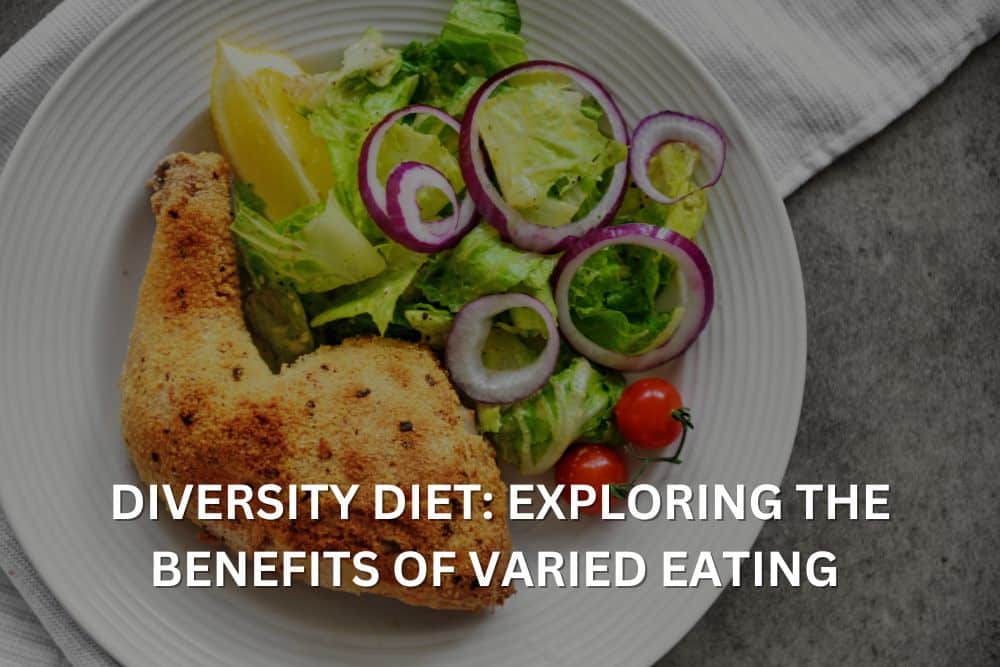
Diversity Diet – Exploring the Benefits of Varied Eating At 121 Dietitian, our days are spent educating others, which we absolutely love! Some individuals seek to improve their diets to help with health conditions or enhance sporting performance, while others aim to improve overall wellness and longevity. With the diverse range of people we see, there is one crucial aspect we ensure: a “diversity diet” or eating a varied diet. What does this mean, and why is it important? Let’s dive into the world of dietary diversity and explore its potential benefits and challenges. What is a Diversity Diet? A diversity diet, simply put, is an eating pattern that includes a wide variety of foods from all food groups. It’s not about restricting certain foods or following strict rules, but rather about embracing a broad range of nutrients through different food choices. The concept is based on the idea that no single food contains all the nutrients we need for optimal health. By eating a diverse range of foods, we increase our chances of getting all the essential nutrients our bodies require. You would be surprised at how many people do not eat a diverse diet and feel happy eating the same foods over again. Unfortunately, f these foods are ultra processed and beige this is not recommended for longer-term health risks. An unhealthy diet increases blood pressure, diabetes, heart disease, cancer, obesity mental health issues and much more. Benefits of a Diverse Diet: Nutrient Adequacy – Different foods provide different nutrients. By eating a variety of quality foods, you’re more likely to meet your body’s nutritional needs. Gut Health – A diverse diet can support a healthy gut microbiome. Our gut bacteria thrive on different types of fibre from various plant foods. Reduced Risk of Deficiencies – Eating a wide range of foods can help prevent nutrient deficiencies that might occur from a limited diet. Enjoyment and Satisfaction – Variety in our diet can make eating more enjoyable and satisfying, which can help with long-term adherence to healthy eating habits. Exposure to Beneficial Compounds – Different foods contain various phytochemicals and antioxidants that may have health benefits. Challenges of a Diverse Diet While a diverse diet has many benefits, it’s not without challenges: Cost: Some people might find that buying a wide variety of foods, especially fresh produce, can be more expensive. Time and Effort: Preparing meals with a variety of ingredients can be more time-consuming and require more planning. Availability: Depending on where you live, access to a wide variety of foods might be limited. Food Preferences: Some people, especially children, might resist trying new foods, making it challenging to introduce variety. Celery juice may also interact with certain medications like blood thinners because of its vitamin K content. How to Increase Dietary Diversity Try New Foods: However take your time, make it a goal to try one new healthy food each week. Eat the Rainbow: Choose fruits and vegetables of different colours to ensure a variety of nutrients. Vary Your Protein Sources: Alternate between different types of meat, fish, eggs, and plant-based proteins. Experiment with Whole Grains: Try different types of whole grains like quinoa, barley, or millet instead of always relying on wheat or rice. Explore Different Cuisines: Different cultures often use a variety of ingredients and cooking methods, which can help increase dietary diversity. Shop Seasonally: Buying seasonal produce can naturally increase variety throughout the year. Mix Up Your Meals: Try not to eat the same meals every week. Rotate your recipes and try new combinations. The Science Behind Dietary Diversity Research has shown that dietary diversity can have positive impacts on health. A study published in the American Journal of Clinical Nutrition found that greater dietary diversity was associated with a lower risk of metabolic syndrome, a cluster of conditions that increase the risk of heart disease, stroke, and diabetes. Another study in the British Journal of Nutrition found that higher dietary diversity was associated with better nutritional adequacy in adults. This means that people who ate a more varied diet were more likely to meet their nutritional needs. However, it’s important to note that not all studies have found clear benefits to dietary diversity. Some research suggests that too much diversity, particularly if it includes a lot of unhealthy foods, could lead to overeating and weight gain. This highlights the importance of focusing on variety within healthy food groups, rather than just eating a wide range of any foods. Dietary Diversity and Gut Health One area where dietary diversity seems particularly important is gut health. Our gut is home to trillions of bacteria, known as the gut microbiome. These bacteria play crucial roles in our health, from supporting our immune system to influencing our mood. We know from the research that a diverse diet can lead to a more diverse gut microbiome, which is generally considered healthier. Different types of fibre from various plant foods feed different types of gut bacteria, helping to maintain a balanced and diverse microbiome. A study published in the journal Nature found that people who ate more than 30 different plant foods per week had more diverse gut microbiomes than those who ate 10 or fewer. This diversity was associated with lower levels of antibiotic resistance genes in the gut, which could have implications for overall health. Case Study: Sarah’s Journey to Dietary Diversity Sarah, a 35-year-old working full time, came to see us at 121 Dietitian because she was feeling constantly tired and had frequent digestive issues. Upon reviewing her diet, Abby the dietitian noticed that Sarah’s meals were quite repetitive. She typically ate the same breakfast every day (toast with peanut butter), had a sandwich for lunch, and rotated between three or four dinner recipes. Abby suggested that Sarah try to increase the diversity in her diet. We worked together to create a plan: Breakfast: Instead of always having toast, Sarah started alternating between oatmeal with different toppings, Greek yoghurt with fruit and nuts,
Does Celery Juice Help with Bloating?

Does Celery Juice Help with Bloating? Bloating can be an uncomfortable and sometimes painful experience. Many people have turned to celery juice as a potential remedy, but does it really help? We are frequently asked numerous questions while working as dietitians and in our daily lives. Therefore, we decided to put together some questions that YOU might have but didn’t know who to ask! Let’s explore this topic and look at some other suggestions for reducing bloating. The Celery Juice Debate Celery juice has gained popularity in recent years, with some claiming it has miraculous health benefits, including reducing bloating. However, the evidence is mixed, and its effects can vary from person to person. Potential Benefits: Hydration: Celery is mostly water, which can help keep you hydrated and support digestive health Nutrients: Celery contains vitamins and minerals that may support overall health these include: potassium, vitamins A, C and K Digestive support: Some believe celery juice can stimulate stomach acid production, potentially aiding digestion Potential Drawbacks: High in FODMAPs: Celery is high in FODMAPs, which can cause bloating in some people, especially those with IBS Fibre removal: Juicing removes the beneficial fibre from celery, which is important for gut health Individual reactions: Some people may experience increased bloating when drinking celery juice Celery contains toxicants —furanocoumarins and psoralens—which can cause skin issues and may result in liver damage. Celery juice may also interact with certain medications like blood thinners because of its vitamin K content. Are there any other interesting foods and drinks available that can help reduce bloating? Peppermint Tea Peppermint tea is a very popular natural remedy for digestive issues, including bloating. It contains menthol, which has an antispasmodic effect on the digestive tract. Antispasmodic means it can help relax the muscles of your digestive system, potentially reducing bloating and gas. Some studies have shown that peppermint oil can help alleviate symptoms of irritable bowel syndrome (IBS), including bloating. A natural option to certainly try if you suffer occasional bloating. Lemon Water Starting your day with a glass of warm lemon water can help stimulate your digestive system and promote regularity. Lemons are a natural diuretic, which means they can help reduce water retention and bloating. The citric acid in lemons may also aid in digestion by increasing stomach acid production. As with everything in life what can work for one may not work for another so this one may assist if you are not suffering from GERD (gastro-oesophageal reflux disease) and you ensure you look after your teeth. Papaya Papaya contains an enzyme called papain, which helps break down proteins in your digestive system. This can lead to improved digestion and reduced bloating. Papaya is also rich in fibre, which can help prevent constipation, another common cause of bloating. Papaya tastes lovely but relying on this is not economical in countries that import this fruit. Eating a Diverse diet of fruits and vegetables would be more beneficial overall. Fennel Fennel has been used for centuries as a digestive aid. It contains compounds that can help relax the muscles in your digestive tract, reducing gas and bloating. You can enjoy fennel as a vegetable, brew it as a tea, or chew on fennel seeds after meals to aid digestion. For those with additional gut issues like IBS fennel needs to be consumed in careful amounts. Turmeric This bright yellow spice has anti-inflammatory properties that can help soothe the digestive system along with general body inflammation. Curcumin, the active compound in turmeric, may help reduce gas and bloating. Adding turmeric to your cooking is simple a little more challenging maybe is the social media go-to “turmeric latte”. We haven’t been brave enough to try this but if you have do let us know what its like on one of our channels: Insta, FB, GMB!! Pineapple Pineapple similar to papaya contains an enzyme that aids in the digestion of proteins, this one is called bromelain. This can help reduce bloating and other digestive issues. Pineapple is also rich in fibre and water content, which can help prevent constipation. Lovely to eat it’s a super tasty fruit however be aware the bromelain is not present in tinned pineapple due to the high heat of canning. Bone Broth Bone broth is another popular “gut healer” rich in amino acids, particularly glutamine, it is certainly soothing on the gut lining and therefore may help to settle digestion and as it is easy to digest it is recommended for those with sensitive stomachs. Our findings at 121 Dietitian is to be aware if consuming for a few reasons: Overconsumption – those with gut symptoms looking for a gut reset can end up too long on this and cause issues with malnutrition and disordered eating where they struggle to resume foods into their diet again. Bone broth can in the sensitive person trigger histamine intolerance which can increase not decrease symptoms so need to be mindful. Glutamates present can trigger anxiety and pain if sensitive. Coconut Water Coconut water is high in potassium and can help balance out sodium levels in your body, potentially reducing water retention and bloating. It’s also naturally hydrating, which can help prevent constipation. Care however needs to be taken with drinking coconut water as the high potassium levels can be dangerous for those with poor kidney function, and those who are active it may not be the answer for your electrolyte balancing. Remember, while these foods and drinks may help reduce bloating for many people, everyone’s digestive system is different. What works for one person may not work for another. It’s always a good idea to introduce new foods gradually and pay attention to how your body responds. We hope you found this information interesting and helpful in addressing the original question and although some people may find celery juice helpful in reducing bloating, it’s not a one-size-fits-all solution. If you decide to try celery juice, pay attention to how your body responds. For many individuals, making simple lifestyle
Are Eggs Good for Gut Health

Are Eggs Good for Gut Health? Eggs have long been a staple in many diets around the world. They are versatile, easy to cook, and packed with essential nutrients. But are they good for your gut health? In this article, we will explore the benefits of eggs for your digestive system and how they are so versatile they can be part of a gut-healthy breakfast, meal or snack anytime of the day. We will also include a case study to illustrate how eggs can positively impact gut health. Nutritional Benefits of Eggs Eggs are a powerhouse of nutrition. They are rich in high-quality protein, which is essential for building and repairing tissues in the body. Protein also plays a crucial role in gut health by supporting the production of enzymes and hormones that aid digestion. Additionally, egg yolks contain vitamins and minerals such as vitamin D, B vitamins, selenium, and choline, all of which contribute to overall health. Vitamin D is particularly important for immune function, and a healthy immune system is vital for maintaining gut health. B vitamins help in energy production and the metabolism of food, ensuring your body can effectively use the nutrients you consume. One of the key components of eggs is methionine, an essential amino acid that acts as an antioxidant and detoxifier. Methionine helps protect the liver and supports the body’s natural detoxification processes. Moreover, eggs are often enriched with omega-3 fatty acids, which have anti-inflammatory properties and are beneficial for gut health. Eggs and Digestive Health Eggs are generally easy to digest, making them a suitable protein source for individuals with digestive issues. Unlike some high-protein foods like meat and legumes, eggs are less likely to cause bloating or discomfort. This makes them an excellent choice for people with sensitive stomachs or those experiencing digestive problems. For individuals with inflammatory bowel disease (IBD), such as Crohn’s disease or ulcerative colitis, eggs can be a tolerable source of protein. Many IBD patients find that eggs do not aggravate their symptoms, making them a reliable option for maintaining a balanced diet during flare-ups. Furthermore, eggs contain a type of protein called albumin, when cooked is known for its high digestibility. This means that the body can easily break down and absorb the nutrients from eggs, making them a great choice for those who may struggle with other protein sources. Gut-Healthy Breakfast Ideas Incorporating eggs into your breakfast can be a great way to start the day with a gut-friendly meal. Here are a few simple ideas: Scrambled Eggs with Spinach: Cook scrambled eggs with a handful of fresh spinach. Spinach adds fibre and nutrients, supporting digestive and immune health. The fibre in spinach helps promote regular bowel movements, which is essential for gut health. Spinach is also rich in folate, a B vitamin, vitamin C, vitamin E, beta carotene, and flavonoids which can help reduce inflammation in the gut. Egg and Avocado Toast: Top whole-grain toast with sliced avocado and a poached egg. Avocado provides healthy fats and fibre, while the egg adds protein. The combination of protein and healthy fats keeps you full longer and provides sustained energy throughout the morning. Omelette with Vegetables: Make an omelette with your choice of vegetables, such as tomatoes, peppers, and mushrooms. Vegetables add fibre and vitamins, enhancing the gut-friendly benefits of the meal. This dish is not only nutritious but also filling, tasty, colourful and appealing. Boiled Eggs with Fruit: Handy for on the go. Pair boiled eggs (can be cold) with a side of fresh fruit, like berries or an apple. The combination of protein and fibre helps keep you full and supports digestion. Berries are particularly good for gut health due to their high antioxidant content. Egg and Quinoa Bowl: Cook quinoa and top it with a fried or poached egg, along with some sautéed vegetables. Quinoa is a whole grain that is high in fibre and protein, making it a great addition to a savoury gut-healthy breakfast option. Case Study: Emma’s Journey to Better Gut Health Emma, a 35-year-old teacher, struggled with digestive issues for years. She often felt bloated and uncomfortable after meals, which affected her energy levels and mood. After consulting with a dietitian, Emma decided to focus on improving her gut health through her diet. One of the changes Emma made was incorporating more eggs into her breakfast routine. As a vegetarian she had become limited in her protein choices. She started having scrambled eggs with spinach and whole-grain toast in the mornings. Within a few weeks, Emma noticed a significant improvement in her digestion. She felt less bloated and had more energy throughout the day. Emma also began experimenting with different egg-based breakfast recipes, such as omelettes with vegetables and egg and avocado toast. These meals not only supported her gut health but also provided her with a balanced and satisfying start to her day. In addition to eggs, Emma started including other gut-friendly foods in her diet, such as fruits, vegetables, and whole grains. She found that by focusing on a balanced diet rich in nutrients, she could maintain her digestive health and feel better overall. Why Gut Health Matters Maintaining good gut health is crucial for overall well-being. The gut is home to trillions of bacteria that play a vital role in digestion, nutrient absorption, and immune function. A healthy gut can help prevent digestive issues, boost the immune system, and even improve mental health. Eating a balanced diet that includes gut-friendly foods like eggs can support the growth of beneficial bacteria in the gut. This, in turn, helps maintain a healthy digestive system and reduces the risk of gastrointestinal problems. Research has shown that a healthy gut microbiome can influence mood and mental health. This means that taking care of your gut can also positively impact your mental well-being. By including eggs and other nutritious foods in your diet, you are supporting not only your digestive health but your overall health as well. Tips for Maintaining
The Role of a Gastro Nutritionist
The Role of a Gastro Nutritionist Your Partner in Digestive Health and Wellness In the complex world of digestive health, a gastro nutritionist stands out as a beacon of specialised knowledge and support. If you’ve been grappling with persistent digestive issues or simply want to optimise your gut health, you might have come across this term. But what exactly is a gastro nutritionist, and how can they help you? Let’s delve into this topic and explore the most asked questions about gastro nutritionists and their role in promoting digestive wellness. What is a Gastro Nutritionist? A gastro nutritionist, also known as a gastrointestinal nutritionist, is a healthcare professional (Dietitian) who specialises in the relationship between nutrition and digestive health. They combine in-depth knowledge of the digestive system with expertise in nutrition to help individuals manage various gastrointestinal conditions and optimise their overall digestive health. What qualifications do they have? The minimum requirement is a BSc Hons in Dietetics or a related science degree with a postgraduate diploma or higher degree in Dietetics. Dietetic courses are structured to include biochemistry, physiology, applied sciences and research methods which underpin nutrition and dietetics. It can be confusing who to select but it is important to know that a Dietitian can also call themselves a nutritionist – a nutritionist CANNOT call themselves a Dietitian. What Does a Gastro Nutritionist/Dietitian Do? What Does a Gastro Nutritionist/Dietitian Do? A gastro nutritionist’s role is multifaceted. They work with clients to: Assess current dietary habits and their impact on digestive health Develop personalised nutrition plans to manage specific digestive conditions Provide education on the relationship between diet and digestive health Offer guidance on appropriate supplements Support clients in making sustainable dietary changes Collaborate with other healthcare professionals to ensure comprehensive care Who Can Benefit from Seeing a Gastro Nutritionist? A wide range of individuals can benefit from the expertise of a gastro nutritionist, including: Those diagnosed with specific digestive conditions (e.g., IBS, IBD, GERD) Individuals experiencing persistent digestive symptoms without a clear diagnosis People looking to optimise their gut health and overall wellbeing Those with food intolerances or allergies affecting their digestive system Individuals recovering from gastrointestinal surgeries Anyone seeking to improve their relationship with food and eating habits Now, let’s address some of the most commonly asked questions about gastro nutritionists: Q: What is the difference between a Nutritionist and a Dietitian A: Dietitians are trained as specialists in Nutrition not only for all aspects of improving diet and health but for medical health conditions. They are qualified with BSc/MSc and work in all aspects of healthcare in Hospitals, community and private practice to name a few. Nutritionists however are not all qualified and do not work in hospitals as they do not have medical/ specialised training. In general, they help patients gain an understanding of how nutrients impact their bodies and can help develop healthy eating plans around that understanding. Q: How is a gastro nutritionist different from a regular nutritionist? A: While all nutritionists/ Dietitians have a broad understanding of nutrition, a gastro nutritionist/Dietitian has specialised knowledge about the digestive system and how different foods and nutrients interact with it. They are particularly skilled in managing digestive health conditions through dietary interventions. Q: Do I need a referral to see a gastro nutritionist? A: In most cases, you don’t need a referral to see a gastro nutritionist. However, if you’re seeking treatment for a specific medical condition, it’s a good idea to consult with your GP or gastroenterologist first. Q: What can I expect during my first appointment with a gastro nutritionist? A: Your first appointment will typically involve a comprehensive assessment of your medical history, current symptoms, dietary habits, and lifestyle factors. The gastro nutritionist will use this information to develop a personalised nutrition plan tailored to your specific needs and goals. Q: How long will I need to work with a gastro nutritionist? A: The duration of treatment varies depending on your individual situation and goals. Some people might only need a few sessions, while others may benefit from ongoing support. Your gastro nutritionist will discuss this with you based on your progress and needs. Q: Can a gastro nutritionist help with weight management? A: Yes, many gastro nutritionists can assist with weight management, especially when it’s related to digestive health issues. They can help you develop a balanced, gut-friendly approach to weight management. Q: Will I need to follow a very restrictive diet? A: Not necessarily. While some conditions may require temporary dietary restrictions, the goal is usually to develop a balanced, varied diet that supports your digestive health. Your gastro nutritionist will work with you to find an approach that’s both effective and sustainable. Q: Can a gastro nutritionist help with food intolerances? A: Absolutely. Gastro nutritionists/Dietitians are well-equipped to help identify and manage food intolerances. They can guide you through elimination diets and help you develop a nutritionally balanced diet that avoids trigger foods. Q: How does a gastro nutritionist differ from a gastroenterologist? A: A gastroenterologist is a medical doctor who specialises in diagnosing and treating digestive disorders. A gastro nutritionist/Dietitian, on the other hand, focuses specifically on the role of nutrition in digestive health. Often, these professionals work together to provide comprehensive care. Q: Can a gastro nutritionist help with conditions like IBS or IBD? A: Yes, gastro nutritionists/Dietitians are particularly skilled in helping manage conditions like Irritable Bowel Syndrome (IBS) and Inflammatory Bowel Disease (IBD) through dietary interventions. Q: Will I need to take supplements? A: This depends on your individual situation. If you have nutrient deficiencies or specific health concerns, your gastro nutritionist might recommend certain supplements. However, the focus is usually on obtaining nutrients through a balanced diet where possible. Q: How quickly can I expect to see results? A: The timeline for improvement can vary greatly depending on your specific condition and how closely you follow the recommended plan. Some people notice improvements within a few weeks, while for others, it may take