
Halloween Healthy Treats: A Ghoulish Feast

Halloween Healthy Treats….Boo! Halloween is just around the corner, and it’s time to spookify your snacks without scaring away your health-conscious habits. As a dedicated dietitian and the founder of 121 Dietitian, I’m here to share some devilishly delightful and nutritious Halloween treats that will have both kids and adults howling for more. Reduce reaching for those toxic sugary sweets and hello to a spooktacular array of wholesome and delicious goodies that are easy to prepare and frightfully fun to eat. Let’s dive into the cauldron of creativity and cook up a Halloween feast that will leave your taste buds spellbound! 1. Bobbing for Apples: A Classic Halloween Tradition with a Healthy Twist A great favourite with us kids of the 70’s! Bobbing for apples. This is a timeless Halloween game that can be turned into a healthy treat. Instead of sugary treats, my mum would fill a tub with water and add fresh, crisp apples. I did the same for my kids and no doubt they will hopefully continue the tradition! Apples are packed with fibre and essential vitamins, making them perfect for a Halloween healthy game. Encourage the kids to enjoy the natural sweetness of the apples while having a ghostly good time bobbing for these fruity delights. 2. Celery Ants on a Log: A Creepy-Crawly Snack to Delight Your Guests Create a spooky sensation with celery ants on a log. Slice celery sticks into manageable pieces and fill the groove with either cream cheese, natural peanut butter or almond butter. Top it off with raisins, resembling ants crawling on a log. Celery provides a satisfying crunch, while nut butter adds healthy fats and protein, making this snack both eerie and nutritious. 3. Haunted Veggie Platter: A Garden of Goodness for halloween healthy treats Transform ordinary veggies into a haunted veggie platter. Use cookie cutters to create ghost and bat shapes from slices of cucumber, bell peppers, and carrots. Arrange them alongside cherry tomato eyeballs and dip them in hummus or Greek yogurt-based dip (easy to whizz up yourself in one of my favourite kitchen gadgets – Magimix 5200XL). Not only is this platter visually captivating, but it also offers a variety of vitamins and minerals. 4. Fruit Kebabs: A Colourful and Wholesome Delight Thread chunks of vibrant fruits such as strawberries, kiwis, and oranges onto skewers to create vibrant fruit kebabs. For an extra special touch, use a small cookie cutter to shape melon pieces into stars or moons. These kebabs are not only visually appealing but also a great source of antioxidants and natural sugars, providing a healthier alternative to sugary sweets. 5. Creepy Crudité Cups: Individual Veggie Delights Serve individual crudité cups filled with an assortment of fresh vegetables like cherry tomatoes, baby carrots, and cucumber slices. Pair them with a tasty yogurt-based dip for a ghoulishly good snack. These portioned treats are perfect for Halloween parties and ensure that everyone gets their share of nutritious nibbles. 6. Hangman Apple for halloweeen healthy treats Need to burn up any more kcals??? If so then this one is a real work out for the family! Apples being the season fruit is the fruit most commonly used but you could do this with carrots, tomatoes or even bananas! Get your choosen victim (fruit or veg!) and tie it up, hang from a pin or nail from the middle of a door way. Only using your “fangs” to take turns in making that fatal bite! The first person to take a bite wins! 7. Don’t forget the proteins! Ok Ok I’ll stop now!!! Conclusion This Halloween, why not celebrate the spooky season with creativity and a dash of nutritional goodness. By incorporating these healthy and fun treats into your festivities, you can enjoy the holiday without compromising your health goals. Remember, it’s not about avoiding treats altogether but choosing smarter options that are both delightful and nutritious. Have a fang-tastic Halloween filled with wholesome treats, laughter, and memorable moments. Happy haunting and healthy eating! If you want to book your programme TODAY we would love to help you. You can book a 121 Dietitian Programme today by clicking on the link below If you have enjoyed this blog we would love you to share this with your family and friends on your social media channels. Do visit our YouTube Channel for more on keeping your health optimal. If you are interested in how I overcame my Thyroid Autoimmune Condition do check out the About section below Before you go please check out our 121 Dietitian Shop created specifically for optimising your health. Gillian x
Beurer IL50 Infrared Heat Lamp, Soothing Heat For Colds And Muscle Tension, Infrared Light Therapy with 300 watts, Improves Blood Circulation, 100% UV Blocker, Medical Device

SOOTHING WARMTH: Infrared heat therapy stimulates blood circulation to boost your body’s natural healing process and reduce inflammation
INFRARED HEAT THERAPY: Soothing heat for colds and to relax tense muscles, reduce chronic pain, and improve range of movement
WELLBEING: Soothing infrared heat can be used to combat colds, tensions & muscle soreness, all while improving blood circulation and felxibility
Frizzlife WB99-H Countertop Reverse Osmosis System, Instant Hot Water Dispenser, Alkaline RO Water Filter, NSF/ANSI 58 Certified Elements, Adjustable Temp & Volume, TDS & Filter Life Monitoring

【0.0001 Micron RO + LED Filtration & Alkaline】By combining carbon fiber, 100 Gallon RO membrane, alkaline particles and LED purification technology, Frizzlife WB99-H countertop reverse osmosis system can reduce 1000+ harmful contaminants (99.99%), including Chlorine, Fluoride, Lead & other Heavy Metals, Arsenic, Chloramine, TDS, limescale, VOCs and much more. The SC90 alkaline filter addresses the side-effect of RO water and raises the PH value, which is beneficial to long-term health.
【Instant Heating, Multiple Temp & Dispensing Volume Options】Besides room temp water, WB99-H RO filter system also provides heated water in a snap! The heated temperature range is between 45°C – 100°C. Tap “+” and “-” on the screen to adjust the specific temp you need. It allows you to brew a variety of drinks that deliver best tastes, including but not limited to hot tea, coffee, baby formula, etc.It also features with multiple volume options: 120ml,250ml,500ml and continuous dispensing.
【Real-Time TDS, Filter Life & Water Quality Monitoring】The smart touch panel is sensitive and easy to operate. It will show the latest TDS result after each water production. Besides, this RO water filter system will keep monitoring the filter life and remind you to change filter cartridges in advance. Furthermore, if the filtered water in the pitcher has been over 24 hours, the water quality indicator will turn red. The user-friendly design allows you to forget the guesswork.
Celebrating World Porridge Day: A Nutritional Delight! 🥣
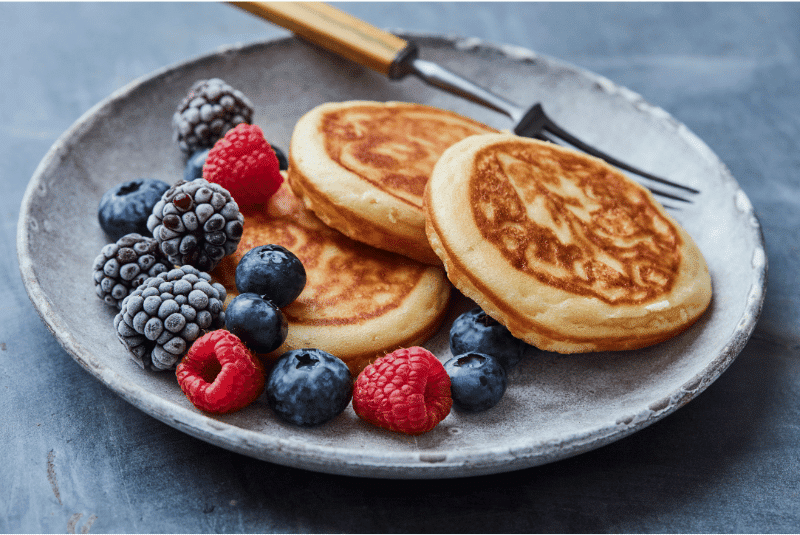
Porridge – We Love Ya!… Porridge, the ultimate comfort food, is deservedly taking the spotlight on October 10th as we celebrate World Porridge Day! As a leading Dietitian, I’m thrilled to share the wonders of this versatile dish with you. So lets celebrate health together with why you should eat poridge! Why Porridge Rocks: Nutrient Powerhouse: Porridge is packed with essential nutrients like fibre, vitamins, and minerals, making it a perfect start to your day [1]. Heart Health: Its soluble fiber content helps lower cholesterol levels, promoting a healthy heart. Did you know porridge oats are wholegrains and contain a soluble fibre called beta-glucan, which can help lower your cholesterol level if you have 3g or more of it daily, as part of a healthy diet. (A 40g serving of porridge oats contains 2g of beta-glucan.) Energy Boost: Porridge provides a steady release of energy, keeping you fueled and focused throughout the day – no reaching for the snacks straight after breakfast. Customizable: Sweet or savoury -using fruits, nuts and spices, you can personalize your porridge, add to soups/sauces making it a versatile and tasty treat. Celebrate with a Porridge Party! Let’s turn World Porridge Day into a memorable event! Gather your friends, schoolmates, or community members for a Porridge Party. Share recipes, swap ideas, and savor different porridge variations. Don’t forget to capture the moments and spread the joy on social media using #PorridgeDayCelebration! A Porridge Recipe we at 121 Dietitian love… Oat Fibre Pancakes 1 large ripe banana 1-2 eggs depending on size 1/4 cup (can use gluten-free) oats (blitz in a blender for smoother flour consistency) 1tbsp of milled flaxseed 1 tbsp chia seeds pinch of salt pinch of cinnamon 1 spoon almond butter (optional) butter for cooking InstructionsMash the banana with a fork, break and whisk in the eggs, oats, salt seeds and cinnamon until smooth. Add the nut butter and swirl into the batter.Heat a teaspoon or oil/butter in a pan over medium-low heat. Cook for about 2 minutes, on medium heat until set. Cook on the other side for another 30 seconds.Serve with berries. Enjoy! Let’s make this World Porridge Day a celebration of health, taste, and togetherness! Happy porridge-making, everyone! 🌐 Sources AwarenessDays – World Porridge Day 2023 NetworkLeeds – Celebrate World Porridge Day with Mary’s Meals National Today – World Porridge Day Twinkl – World Porridge Day 2023 | Teaching Resources Chelmsford Star Cooperative – Celebrate World Porridge Day
Understanding Nutritional Labels: A Comprehensive Guide
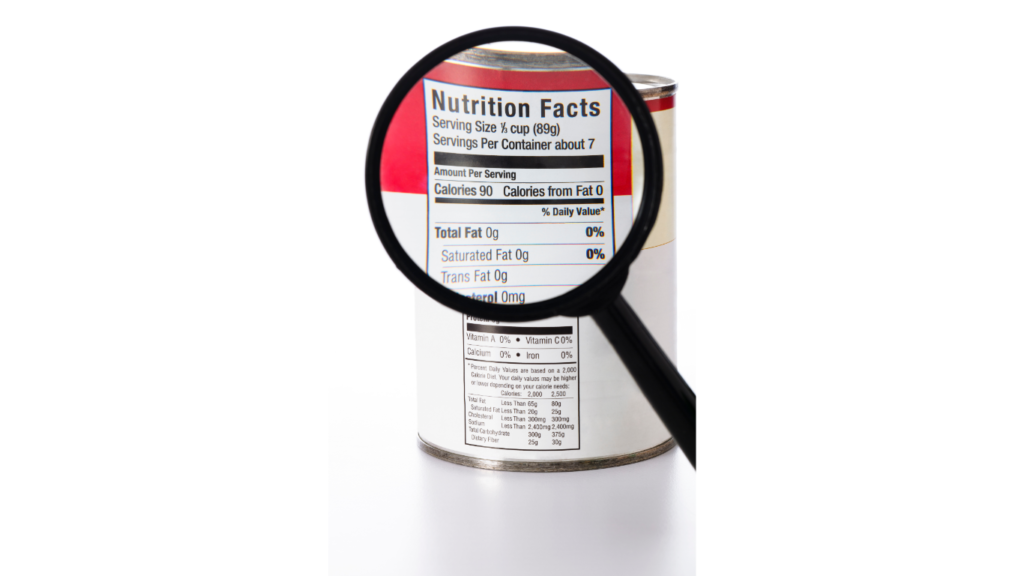
Nutritional labels on food products are often dense with information, often eligible in tiny writing and finding the right translation can take forever! Despite all these hurdles deciphering them correctly is vital for making informed dietary choices. Gillian Killiner Consultant Dietitian is an expert in this field and understands the significance of this task. In this blog Gillian provides a comprehensive guide on how to read nutritional labels correctly. In this detailed breakdown, she will walk you through the intricate details of nutritional labels, ensuring that you can make healthier choices with confidence. Decoding the Serving Size The first crucial aspect of any nutritional label is the serving size. This seemingly basic piece of information holds the key to understanding the rest of the label. It’s not just about how much you are eating but how much the manufacturer considers a standard serving. Keep an eye out for this information, often presented in both familiar units like cups or pieces and grams for precise measurements. A nice shop bought buttercream sponge is a great example! 490g in weight its pretty petite coming out of the box. If generous you may cut this into 4 big pieces to enjoy with others or if needing it to stretch maybe 6 pieces seem about right. However the nutritional recomendations per portion are calculated for 8 slices! and for 1/8th of the cake you are consuming 250kcals, 11.5g fat, 2.5g protein, 33g carbohydrates, 21g sugar, 0.7g fibre, 0.4g salt. You can see how easy it is to underestimate your intake if not checking the portion size! Cut into 4 generous portions and wow you have a little piece of cake with a lot of fat, sugar and energy! Calories: Understanding the Energy Content on a Nutritional Label Calories (kcals) provide your body with energy, but it’s important to note that not all calories are created equal. The caloric content on a nutritional label represents the energy you’ll get from one serving of the product and as mentioned above these can be deceiving! I actually am not a fan of kcal counting – it can be useful but only if you are completely new to all of this and only for a short few weeks to get you thinking. Kcal counting is not enjoyable can be very stressful and for some not actually address the food choices. You can eat a lot of rubbish food and be below your kcal requirements. Yes you will lose weight if you count and lower your intake and eat well – this has to be for life so it needs to suit you, taste good, fit with your lifestyle and your bank balance. Fats: The Good and the Bad Dive deeper into the fats section. Not all fats are detrimental to your health. Total Fat includes both unsaturated (good) and saturated (bad) fats. Look for products with low saturated fat content and higher unsaturated fats like monounsaturated and polyunsaturated fats. Additionally, keep an eye on Trans Fat, which should ideally be zero, as even small amounts can be harmful. Carbohydrates: The Body’s Primary Energy Source Carbohydrates are your body’s primary energy source, but not all carbohydrates are equal either. Dietary Fibre and Sugars are two components to watch out for. Fibre aids digestion and is beneficial for heart health, while excessive sugar intake can lead to various health issues. Opt for products high in fibre and low in added sugars for a healthier choice. Proteins: Building Blocks of Life Proteins are essential for building and repairing tissues. The Protein section tells you how much protein is in one serving. Whether you’re a fitness enthusiast or simply looking to maintain a balanced diet, an adequate protein intake is vital. Choose products with a higher protein content to support your body’s needs. The range is from 0.8g protein per kg/ideal weight/day to 2g protein per kg/ideal weight/day. Vitamins and Minerals: Nutrients for Overall Well-being Nutritional labels often list essential vitamins and minerals as a percentage of the Daily Value (% DV). These values indicate how much a nutrient in a serving of food contributes to a daily diet. Vitamin D, Calcium, Iron, and Potassium are nutrients commonly displayed. Pay attention to these values, especially if you have specific dietary requirements or deficiencies. Reading the Ingredient List on a Nutritional Label Apart from the nutritional facts, examining the Ingredient List is really important. As highlighted you can eat a lot of unhealthy fillers, artificial sweeteners and be in a kcal deficit. Is this good for you long term? In my near 30yrs in the world of nutrition the answer is a big NO. Ingredients are listed in descending order by weight. If the first few ingredients include unhealthy elements like high-fructose corn syrup or hydrogenated oils, you might want to reconsider your choice. Opt for products with easily recognizable, natural ingredients. Allergens and Special Dietary Needs Manufacturers are obligated to highlight common allergens like nuts, soy, or gluten. If you have allergies or follow a specific diet (such as gluten-free or vegan), thoroughly check this section to ensure the product aligns with your dietary requirements. Items eg: dried beans, pulses, herbs, spices, cereals, deli, fresh produce can be difficult to get full disclosure on the allergy risk. Sticking to the food product guide in your allergy official membership will be helpful or contact the manufacturer of the product if you really want to eat something and you feel it may be bad labelling rather than a product issue. Conclusion: Empowering Your Food Choices In conclusion, understanding how to read nutritional labels empowers you to make healthier food choices. By deciphering serving sizes, grasping the differences in fats and carbohydrates, recognizing the importance of proteins, and being aware of essential vitamins and minerals, you can navigate the complex world of nutrition with a little more confidence. Labels are regularly altered as ingredients change so do keep an eye on them! A well-informed consumer is a healthier consumer. If you want to book
OSTEOPOROSIS – PREVENT AND REVERSE with DIET & LIFESTYLE TOP TIPS
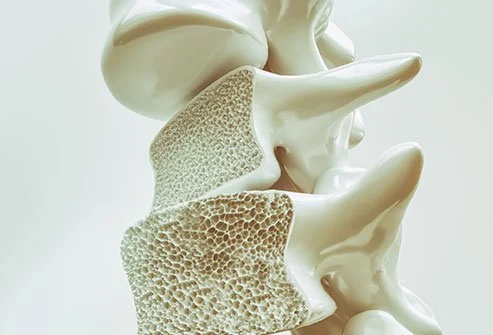
Reverse Osteoporosis Through Diet Osteoporosis is a silent but prevalent disease that affects millions of people worldwide. In this blog post, l explore the critical aspects of osteoporosis prevention and reversal through diet and lifestyle changes. Join me, Gillian Killiner, a world renowned registered dietitian with over 26 years of experience, as we delve into this essential topic that impacts the lives of millions. Understanding Osteoporosis Osteoporosis is a condition characterized by the thinning of bones, resulting in reduced bone density. Our bones consist of a matrix that resembles a honeycomb, and they need to be strong and flexible to support our bodies effectively. Most people will reach their peak bone mass between the ages of 25 and 30. By the time we reach age 40, we slowly begin to lose bone mass. However, various factors, including genetics, medications, lifestyle choices, menopause and aging, can lead to a decrease in bone density. The Role of Bone Cells Two types of cells primarily regulate our bone health: osteoclasts, responsible for breaking down bone tissue, and osteoblasts, which build new bone tissue. As we age, osteoclasts often outperform osteoblasts, leading to less stable and less dense bones, making them more prone to fractures. Lifestyle Changes for Stronger Bones In the UK over 3 million people are estimated to have osteoporosis and there are estimated to be over 500,000 fragility fractures that occur in the UK each year. This does not have to be the case. Ensuring proper bone health involves making important lifestyle changes. We know it can be challenging in our modern world, as it is not highly conducive to maintaining strong bones. But we all need to act. The figures are rising as more and more people are developing poor bone health at a younger age. Below are a few key factors to consider: 1. Exercise to prevent Osteoporosis It is SO easy to not get regular physical activity. We need to be active every day, and as we get older (30+) focusing especially on weight-bearing exercises and weight lifting, as these play a pivotal role in maintaining bone density. For years, cardio workouts were the go-to for fitness, but research has highlighted the importance of weight-bearing exercises, especially for women. Just 30 mins per day is a good way to keep bones happy. 2. Alcohol Consumption While moderate alcohol consumption may offer some health benefits, excessive and regular drinking can negatively impact bone health. It reduces calcium stores, affecting calcium balance and weakening bones. Furthermore, frequent intake alcohol can also impair the production of vitamin D in the body. Vitamin D is essential for proper calcium absorption and utilization by bones. When vitamin D levels are inadequate due to excessive drinking, it further contributes to the negative impact on bone health and when alcohol is consumed in excess of food it can replace essential nutrients in your diet, further jeopardizing bone density. 3. Caffeine Intake Who doesn’t love a Tea or Coffee! Caffeine is prevalent in various every day beverages and foods, including energy drinks, and desserts. Caffiene in safe amounts can keep you focused and helpful for stimulating your brain, muscles and bowel. However when we consume too much caffeine, it can interfere with our body’s ability to absorb calcium properly. High levels of caffeine lead to increased urinary calcium excretion, meaning that more calcium is being excreted out of the body through urine instead of being absorbed and utilized by our bones and muscles. Over time, this disruption in calcium balance, caused by excessive caffeine intake, can have detrimental effects on our long-term muscle and bone health. Inadequate levels of calcium can weaken bones and increase the risk of fractures or osteoporosis. Additionally, insufficient calcium availability for muscles may lead to decreased muscle strength and endurance. 4. Sodium (Salt) Consumption Salt is a common ingredient in many processed and hidden foods. Consuming a diet rich in processed foods, takeaways, and fast food can lead to excessive salt intake. Calcium homeostasis is essential for maintaining healthy bones and overall bodily functions. The body tightly regulates calcium levels through a complex interplay between various hormones and organs. However, excessive salt intake can disrupt this delicate balance. Research suggests that high salt intake can stimulate the secretion of PTH from the parathyroid glands. PTH acts on the bones to release stored calcium into the bloodstream, thereby increasing blood calcium levels. This process is known as bone resorption or turnover. When bone turnover is increased due to elevated PTH levels, it can lead to accelerated bone loss over time. This puts individuals at a higher risk of developing osteoporosis or other related bone disorders. Moreover, it may also contribute to an increased risk of fractures. Nutrients for Strong Bones I have for the past 15+ years been helping patients improve their bone health, osteopenia and osteoporosis. Recent research reassures us that it may be possible to rebuild bone density and achieve osteoporosis reversal through a combination of lifestyle changes, such as exercise and diet, and medical interventions. Menopause can be a time when bone decline accelerates and a diagnosis of osteoporosis can be a shock. I see many many ladies very upset and worried. There is much to do at this time so if you are reading this saying this is me – be positive and start making changes today. To ensure your bones stay strong and healthy, consider incorporating the following nutrients into your diet: 1. Calcium Calcium is a fundamental building block for bones, constituting 99% of bone mineral. Dairy products like yogurt, cheese, and milk are excellent sources of calcium. However, plant-based options such as tofu, tempeh, green vegetables, seeds, and nuts also provide this essential nutrient. 2. Vitamin D Vitamin D is essential for calcium absorption into the bones. In regions with limited sunlight exposure, supplements may be necessary to meet your vitamin D requirements. You can also find vitamin D in oily fish, eggs, and certain mushrooms. 3. Zinc Zinc, crucial for immune function, also plays