
Pistachio nut- interesting facts
Pistachio nut day is on 26th February 2022 We love pistachio nuts here at 121 Dietitian. So when we spotted there was a special world pistachio nut day we felt we had to give them a big shout out! Pistachios are good for you! Pistachio nut facts: • Pistachio are nuts native to Western Asia and Asia Minor, archaeology suggests that pistachios were eaten as a common food as early as 6750 BC. Wow!• They are one of the more expensive of the nuts out there because of the trees on which they grow. It only reaches production 15-20 years after being planted. Isn’t that crazy!• Pistachio trees can only produce about 22kg of nuts each year. Furthermore, pistachios are sorted by hand and not by machine.• Pistachio trees can only grow in cool winters and hot summers, meaning that there’s only a few locations in the world where the trees can grow.• Iran is the biggest producer of pistachio nuts ahead of USA and then Turkey. How to eat Pistachio nuts: When eating pistachios from the shell, split the shell and eat the small kernel inside. The kernel may have a thin skin on it that do eat this for upping polyphenols. If you find a nut in a shell that doesn’t pry apart easily, simply use a nutcracker to open it up. As a snack. Eating pistachios raw or roasted. Both in-shell and shelled pistachios are available in grocery stores. Over salads. Shelled pistachios (either whole or chopped) are often sprinkled over salads. Pistachios can also be puréed and mixed with oil and herbs to make a creamy salad dressing. Ground into sauces. Ground pistachios are popular as a base for sauces and dips, like pistachio-yogurt sauce. Added to bread dough. Ground pistachios can be added to bread dough to give it a thicker texture with extra protein. In desserts. Chopped pistachios are commonly mixed into or sprinkled atop desserts like ice cream, cake, truffles, and pastries. Pistachio nuts are also a common ingredient in dishes from an array of cultures: • In Turkish dishes. Pistachios are most well-known in Turkish recipes for being minced and layered in the traditional baklava.• In Italian dishes. Pistachios are a common addition to Italian pastas, either chopped and mixed in to the noodles or ground and made into a spiced pistachio sauce.• In Indian dishes. Indian food makes ample use of pistachios, and they’re a staple ingredient in many Indian rice puddings, pilafs, cookies, and a spiced pistachio fudge called pista barfi.• In Iranian dishes. Pistachios are a common ingredient mixed into Iranian chicken and rice dishes, and also served as a traditional Persian snack, roasted with lemon juice and saffron and tossed with sea salt. What are the health benefits of Pistachio nuts? – Nutrition Pistachios are high in fibre: Eating pistachios can improve your gut health if you have no ongoing dysbiosis issues. Rich fibre foods help move food through the gut and prevent constipation and may help reduce the risk of colon cancer. Pistachios are high in antioxidants: Pistachios are known to contain antioxidants that have strong cancer-fighting properties and cardiovascular disease prevention. Furthermore, pistachios also contain lutein and zeaxanthin, two carotenoids that will help you maintain eye health and overall immunity. Pistachios are great for vegans and vegetarians: With protein accounting for almost 21% of the total weight of the nut, pistachios contribute almost 6% to a person’s daily protein needs. For plant-based diets, pistachios provide that much-needed protein. Relative to other tree nuts, pistachios have a lower amount of fat and calories but higher amounts of potassium, vitamin K, γ-tocopherol, and certain phytochemicals such as carotenoids, and phytosterols. A handful of pistachios (45) contain 156 calories, 3 grams of fibre, and are one of the most vitamin B6-rich foods around. Do you enjoy eating pistachio’s? They are so tasty if you haven’t tried them. Don’t continue to miss out, try them as part of a bigger plan to increase variety in your diet. If you are unsure of how to change your eating habits, or need help optimising the foods you eat please do contact us. We would love to help you or your family and friends with any nutrition related queries big or small. In the meantime do please check out our 121Dietitian Shop If you have enjoyed this blog we would love you to share this with your family and friends on your social media channels. Why not visit our YouTube Channel for more on keeping your health optimal. How can a Dietitian help Book a consultation via our Online Portal About Gillian Killiner Check out our tailored dietary programmes Gillian x [instagram-feed]
Mindful Eating – Do you??
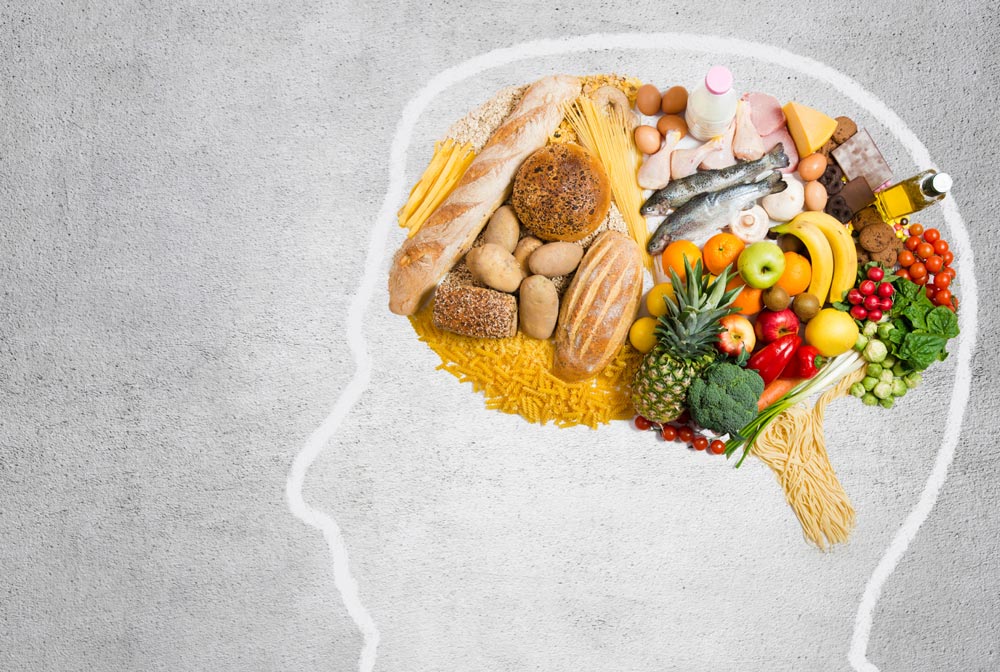
Mindful eating has become a well-used term over recent years. But do you really know what this entails? Gillian Killiner Specialist Dietitian explores this topic further, so you don’t have to. Did you know this concept of mindful eating has roots in Buddhist teachings? Mindful eating is not a diet, or about giving up anything at all. It’s about experiencing the pleasure of food giving more thought to what’s on your plate each time you sit down to eat. Yes…. Sitting down, an act often forgotten in this busy world we live in. Or did live in before COVID-19. Interestingly with this current pause, many parts of life have changed and so with this in mind it may be a good time to embrace the act of mindful eating as many of use are working from home and still eating mindlessly. So what do you need to do for mindful eating? We need to really assess first and foremost how we conduct our day and the priority we give to the act of eating. Do any of the following resonate with you? Are you each day: • Racing out the door first thing with a coffee when not in lockdown? • Running around the kitchen taking bites as you feed the children? • Are you someone who sits in a van, lorry or car all day and eats food from the passenger seat as you go? • Maybe you sit at your desk all day not having a lunch break but eat as you work. • Do you eat fast just so you can get onto the next part of your day? Interestingly if you are eating while under stress or distracted by something else, your body doesn’t know that it’s supposed to be digesting. Stress stimulates the parasympathetic nervous system. As you dash out the door in the morning, coffee in hand, or eat lunch in front of a computer screen or in the car the message you are giving your body is “don’t digest.” If you continually do this you will struggle to absorb your nutrients fully and possibly also suffer from mechanical issues like burping, bloating and reflux. This knock-on effect can also lead to weight gain as you are not registering the foods you are consuming and likely overeating. To become mindful is to retrain the way you think about food. How to retrain yourself for mindful eating habits Developing a Mindful Eating Practice 1) Sit down to eat and drink in a comfortable environment 2) Ensure you are in a relaxed state 3) Prepare your food from good quality ingredients ( not a problem if it has been made the night before). It is important to use fresh wholesome ingredients to nourish the body. 4) Before eating take a look at the food – check it for colour, freshness, smell, crunch, zing, creaminess, saltiness, sweetness etc rate the food. 5) Chew slowly and acknowledge that you are eating a bite at a time and tasting eat bite. 6) If you are eating a wholesome diet this should not be an issue. I find many of my clients that come to me have not engaged in mindful eating before. When they do, they really are surprised at how their eating habits positively improve. What next for your mindful eating? If you are unsure of how to change your eating habits, or need help optimising the foods you eat please do contact us. We would love to help you or your family and friends with any nutrition related queries big or small. In the meantime do please check out our 121Dietitian Shop If you have enjoyed this blog we would love you to share this with your family and friends on your social media channels. Why not visit our YouTube Channel for more on keeping your health optimal. How can a Dietitian help Book a consultation via our Online Portal About Gillian Killiner Check out our tailored dietary programmes Gillian x [instagram-feed]
PCOS – Weight Loss – Fertility
PCOS – Weight Loss & Fertility Our PCOS weight loss and fertility programme supports women with polycystic ovary syndrome who want to improve their health, manage symptoms and support fertility through sustainable nutrition and lifestyle changes. Who Is This For? Women with polycystic ovary syndrome (PCOS) who are struggling with PCOS weight loss. Women in a higher-weight or lower-weight body who are experiencing delays in achieving pregnancy. Women who want to improve their weight, lifestyle and overall health before trying for a baby. Men with modifiable diet and weight-related risk factors who would benefit from advice and support. What Does Clinical Evidence Say About PCOS Weight Loss and Fertility? Large international studies show that women in a higher-weight body who lose weight before pregnancy often improve both fertility treatment success and pregnancy outcomes. Because of this, international clinical guidelines recommend weight loss as a first-line treatment for women with PCOS who have a higher weight before starting fertility treatment or planning a family. Improving nutrition, lifestyle habits, and achieving sustainable PCOS weight loss can help support hormonal balance and fertility outcomes. How Can a Weight Management Programme Help With PCOS Weight Loss? There is no single approach that works for everyone trying to lose weight. Similarly, there is no single fertility diet that suits every person. Many women with polycystic ovary syndrome (PCOS) find weight loss more challenging due to hormonal changes that affect metabolism and insulin sensitivity. Recent research also shows that crash diets and extreme exercise plans rarely work long-term and can sometimes be harmful. Sustainable PCOS weight loss should never involve starving yourself or following unrealistic restrictions. Instead, a structured and personalised programme can help you make manageable changes that support both weight management and fertility health. Our Approach to Sustainable PCOS Weight Loss The most effective strategy is a sensible and achievable long-term plan that helps you reduce weight and maintain those results. The goals of our PCOS weight loss and fertility programme include: Achieving a realistic goal. We focus on a 5-10% reduction in body weight over 4-6 months, which research shows can improve fertility outcomes. Supporting sustainable PCOS weight loss, rather than short-term results. Providing a personalised nutrition and exercise plan, alongside appropriate psychological support. This approach has been shown to improve long-term success and overall quality of life. Helping you feel empowered and in control of your lifestyle, so you can maintain healthier habits and avoid returning to patterns that do not support your wellbeing. Fertility Support for Men We have not forgotten the men in your life. Male factors contribute to around 30% of infertility cases, and these can often involve a combination of medical and environmental influences. Lifestyle factors such as alcohol consumption, smoking, diet, and body weight can affect fertility. Many of these factors can be improved with the right guidance and support. Our fertility programmes allow either partner, or both partners together, to receive support when addressing fertility challenges. How Does Our PCOS and Fertility Plan Work? You will work with a specialist registered dietitian over a six-month period. Before your first appointment, you will complete a 121 Dietitian 7-Day Food Diary and Diet Plan Questionnaire. Gillian Killiner, Specialist Registered Dietitian, reviews this information before your consultation. Your appointment can take place online through our secure portal or at our Holywood clinic. During the consultation, Gillian will discuss the findings and begin creating a personalised nutrition programme tailored to your needs. Week 1 – Initial Consultation During your first appointment, Gillian will discuss nutrition, motivation, and lifestyle changes. You will receive a personalised nutrition plan, recipes, and a shopping list, along with SMART goals to guide your progress. The focus is on nutritional optimisation, which may include reviewing gut health, mental wellbeing, and blood markers. Diet and supplements may be recommended where appropriate. Week 4 – Dietetic Review At this stage, Gillian reviews your progress and adjusts your recommendations if needed. If your goal is PCOS weight loss, a steady and manageable reduction of around 1 kg (2 lb) per week is usually recommended. Week 12 – Progress Review Before this review, you will submit an updated food diary. This appointment may take place online, by phone, or via email, depending on your preference. Week 22 – Final Consultation Your final appointment includes a full reassessment of weight, health markers, and overall progress. Where relevant, this may be reviewed alongside your fertility team. Book Now Programme Options For women with polycystic ovary syndrome (PCOS) who want to focus on PCOS weight loss, our programmes are tailored to your individual needs and health goals. If fertility is also a focus, support can be provided for either partner individually or for both partners together, depending on your circumstances. If you would like guidance on weight management and fertility support as a couple, please contact the clinic directly to discuss the most suitable options. Book Now Learn More About Managing PCOS Empower yourself with practical knowledge about PCOS weight loss, nutrition, and lifestyle strategies. Visit our blog at 121dietitian.com to explore expert advice, helpful tips, and evidence-based guidance designed to support women living with PCOS.
2020 with COVID 19 – How our family recovered…
2020 was a tough year for the world with the COVID 19 pandemic and 2021 continues to see no end to this virus. The vaccinations can hopefully help reduce hospital admissions however we still need to keep others safe. Reflecting over the past year we have had our ups and downs but over all I am one of the lucky ones and wake everyday thankful for what we have. We are fortunate that my husband has a secure job and really glad my kids are easy to manage as teens. We are fortunate we can sleep and eat in the safety and comfort of our warm home and we have a large park beside us to walk our dog. I am also very fortunate to be have my Dietetic nutritional consultancy business www.121dietitian.com online to continue to help and advise others. I am passionate about wholefood nutrition and this really matters with our current pandemic. Not being able to visit loved ones has been very difficult. I am especially sad about not seeing my parents. My mum has Multiple Sclerosis and dependent on hoists and wheelchair and loves company. She needs many to assist her daily needs. Sadly they are 120 miles or a 3 hour car drive away in a different country – not easy to visit, so in between the lockdowns we have hopped in the car driven and spent a few hours chatting in the window to them returning home relieved they are safe and coping. Summer 2020 was a tough time for my eldest 2 children: A-levels and GCSE’s were cancelled and they were hugely disappointed. They are now doing their best to continue focused for the future but it is damn hard. I am very proud of them. Fast forward December 20 everything was going well, life was in a routine with work and school and we were preparing for Christmas at home. We managed to enjoy Christmas day and then COVID struck (brought home from my husbands work). We began to fall ill first my husband and then me. We told no one as we were scared of what was ahead. We self isolated and were fortunate to have extra food in with Christmas. The kids also had varying symptoms. I can’t say for sure but as I write this we have got away lightly. Loss of taste and smell and fatigue being the most difficult for 2 weeks. We were dreading the worst as both myself and my husband are healthcare professionals and have seen first hand what COVID 19 is doing to people. The longer term damage of kidneys, heart, brain, stroke and lungs is all too real. I have over the past year of COVID been advising others on assisting their immunity and improving their overall health. Little did I think we would be saved by it too. I personally feel that having underlying good health, eating a varied diet, taking Vitamin D, getting restorative sleep and keeping a safe alcohol intake has been advantageous in our recovery. 2021 has been a slow start for us but when you have your health you have your wealth so it can only hopefully get better. From my experiencing with COVID 19 if you can do one thing in the next 12 months I would strongly urge you to please protect yourselves and your family from contracting COVID 19. Let 2021 be the year you make any changes you need. Optimise your diet. Have the best metabolic health you can. Take Vitamin D daily. Ensure you have the best sleep, activity, mood and gut possible. Stay well and stay safe. If you are unsure of how to change your eating habits, or need help optimising the foods you eat please do contact us. We would love to help you or your family and friends with any nutrition related queries big or small. In the meantime do please check out our 121Dietitian Shop If you have enjoyed this blog we would love you to share this with your family and friends on your social media channels. Why not visit our YouTube Channel for more on keeping your health optimal. How can a Dietitian help Book a consultation via our Online Portal About Gillian Killiner Check out our tailored dietary programmes Gillian x [instagram-feed]
Healthy Snacks For Kids and Teens going back to school…
The kids are back to school. Now the headaches is what to feed them each day. Having 3 kids I know how challenging feeding them Healthy Snacks can be! ?Your child is going to need nutrients for brain power and the additional exercise they may not have been availing of for the last few months. ? Don’t fall for the high-fat, nutrient-poor snacks that are lining our supermarket shelves. Here is a list of a few healthy snacks with a twist: Healthy Snacks for all the family ? Peel a banana and dip it in yogurt. Roll in crushed pecans and freeze? Spread celery sticks with peanut butter or cream cheese. Top with raisins. Stuff a whole-grain pita pocket with cream cheese and apple slices. Add a dash of cinnamon. Take 2 oat cakes top with Greek yoghurt add some raspberries and enjoy. Put cubes of cheddar cheese and grapes on pretzel sticks. Spread peanut or almond butter on apple slices.? Take semi skimmed milk, frozen strawberries or raspberries or blueberries add some oats and seeds blend for thirty seconds for a delicious smoothie. Use wholemeal thins to make tasty sandwiches fill with colourful salad and home cooked meats like gammon, chicken or prawns, egg, houmous…??? Sprinkle grated cheese over a wholemeal tortilla; fold in half and microwave for twenty seconds. Top with homemade avocado guacamole, cucumber, peppers, tomato salsa.?️ Heat homemade soup: mushroom, tomato or chicken, bean and vegetable soup and enjoy with oat cakes and pate. Sprinkle grated Parmesan cheese and smoked paprika on hot popcorn. Banana pancakes – mash 1 ripe banana, add 1 egg and some wholemeal flour and mix – cook on pan in a little butter. No need to add anything as sweet enough. Spread mayo on a wholemeal tortilla. Top with a slice of turkey or ham, cheese, tomato and lettuce. Flavour with herbs and spices. Then roll it up ? Mini Pizza: Toast the bottom of an English muffin, add some passata on the top and sprinkle with mozzarella cheese and vegetables and grill. Fruit kebabs. Make fruit exciting by threading melon, grapes and pineapple chunks on a wooden skewer. Dark chocolate- 2 squares place in a cup add boiling water and top with milk.☕ Snacks to say “no” to: Chocolate type biscuit bars are not filling and high in sugar and saturated fat. Soft drinks. Eight to 10 teaspoons of sugar are found in the average can of soft drink. All sugar and no nutrients is not healthy and can lead to health problems like diabetes and weight gain. Read more about Sugar in our recent blog here. Sweets. Even when disguised with the word “fruit” included- avoid. A healthy snack provides good quality nutrients and protein —- something that sweets do not provide. Snack pots eg: ham, cheese, and biscuits – these are all highly processed in plastic packaging. Make your own with home made ingredients – much fresher and again less waste using a Tupperware box. Crisps are high in salt and saturated fat. Keep to a minimum. Top Healthy Snack tips: ✔️Buy some Tupperware boxes to reuse in small and large sizes tocarry food to school (reduces single use plastic waste). ✔️Use refillable water bottles for water. Try the glass ones that don’t break. ✔️Having the food at home means you are eating out lesswhich will save you money too! These are just a few of our random Healthy Snack suggestions to get you thinking. If you have any Healthy Snacks please let us know. If you are unsure of how to change your eating habits, or need help optimising the foods you eat please do contact us. We would love to help you or your family and friends with any nutrition related queries big or small. In the meantime do please check out our 121Dietitian Shop If you have enjoyed this blog we would love you to share this with your family and friends on your social media channels. Why not visit our YouTube Channel for more on keeping your health optimal. How can a Dietitian help Book a consultation via our Online Portal About Gillian Killiner Check out our tailored dietary programmes Gillian x [instagram-feed]
COVID -19
IMPORTANT MESSAGE: As per government recommendations on 16th March 2020 our clinics will now be held on – line using SKYPE or Zoom. Please do not hesitate to contact us as it is business as usual. We are here to assist you with keeping your immune system and health optimal while we all fight this together. Stay safe from the 121 Dietitian team If you are unsure of how to change your eating habits, or need help optimising the foods you eat please do contact us. We would love to help you or your family and friends with any nutrition related queries big or small. In the meantime do please check out our 121Dietitian Shop Why not visit our YouTube Channel for more on keeping your health optimal. How can a Dietitian help Book a consultation via our Online Portal About Gillian Killiner Check out our tailored dietary programmes Gillian x [instagram-feed]