121 Dietitian

OSTEOPOROSIS – PREVENT AND REVERSE with DIET & LIFESTYLE TOP TIPS
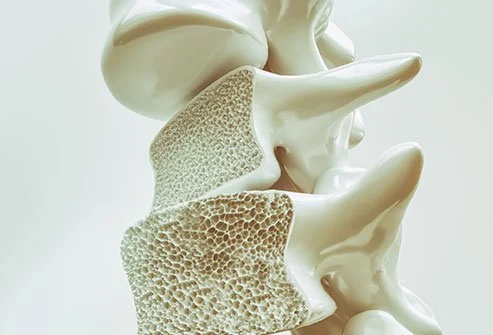
oesteoporosis

Reverse Osteoporosis Through Diet Osteoporosis is a silent but prevalent disease that affects millions of people worldwide. In this blog post, l explore the critical aspects of osteoporosis prevention and reversal through diet and lifestyle changes. Join me, Gillian Killiner, a world renowned registered dietitian with over 26 years of experience, as we delve into this essential topic that impacts the lives of millions. Understanding Osteoporosis Osteoporosis is a condition characterized by the thinning of bones, resulting in reduced bone density. Our bones consist of a matrix that resembles a honeycomb, and they need to be strong and flexible to support our bodies effectively. Most people will reach their peak bone mass between the ages of 25 and 30. By the time we reach age 40, we slowly begin to lose bone mass. However, various factors, including genetics, medications, lifestyle choices, menopause and aging, can lead to a decrease in bone density. The Role of Bone Cells Two types of cells primarily regulate our bone health: osteoclasts, responsible for breaking down bone tissue, and osteoblasts, which build new bone tissue. As we age, osteoclasts often outperform osteoblasts, leading to less stable and less dense bones, making them more prone to fractures. Lifestyle Changes for Stronger Bones In the UK over 3 million people are estimated to have osteoporosis and there are estimated to be over 500,000 fragility fractures that occur in the UK each year. This does not have to be the case. Ensuring proper bone health involves making important lifestyle changes. We know it can be challenging in our modern world, as it is not highly conducive to maintaining strong bones. But we all need to act. The figures are rising as more and more people are developing poor bone health at a younger age. Below are a few key factors to consider: 1. Exercise to prevent Osteoporosis It is SO easy to not get regular physical activity. We need to be active every day, and as we get older (30+) focusing especially on weight-bearing exercises and weight lifting, as these play a pivotal role in maintaining bone density. For years, cardio workouts were the go-to for fitness, but research has highlighted the importance of weight-bearing exercises, especially for women. Just 30 mins per day is a good way to keep bones happy. 2. Alcohol Consumption While moderate alcohol consumption may offer some health benefits, excessive and regular drinking can negatively impact bone health. It reduces calcium stores, affecting calcium balance and weakening bones. Furthermore, frequent intake alcohol can also impair the production of vitamin D in the body. Vitamin D is essential for proper calcium absorption and utilization by bones. When vitamin D levels are inadequate due to excessive drinking, it further contributes to the negative impact on bone health and when alcohol is consumed in excess of food it can replace essential nutrients in your diet, further jeopardizing bone density. 3. Caffeine Intake Who doesn’t love a Tea or Coffee! Caffeine is prevalent in various every day beverages and foods, including energy drinks, and desserts. Caffiene in safe amounts can keep you focused and helpful for stimulating your brain, muscles and bowel. However when we consume too much caffeine, it can interfere with our body’s ability to absorb calcium properly. High levels of caffeine lead to increased urinary calcium excretion, meaning that more calcium is being excreted out of the body through urine instead of being absorbed and utilized by our bones and muscles. Over time, this disruption in calcium balance, caused by excessive caffeine intake, can have detrimental effects on our long-term muscle and bone health. Inadequate levels of calcium can weaken bones and increase the risk of fractures or osteoporosis. Additionally, insufficient calcium availability for muscles may lead to decreased muscle strength and endurance. 4. Sodium (Salt) Consumption Salt is a common ingredient in many processed and hidden foods. Consuming a diet rich in processed foods, takeaways, and fast food can lead to excessive salt intake. Calcium homeostasis is essential for maintaining healthy bones and overall bodily functions. The body tightly regulates calcium levels through a complex interplay between various hormones and organs. However, excessive salt intake can disrupt this delicate balance. Research suggests that high salt intake can stimulate the secretion of PTH from the parathyroid glands. PTH acts on the bones to release stored calcium into the bloodstream, thereby increasing blood calcium levels. This process is known as bone resorption or turnover. When bone turnover is increased due to elevated PTH levels, it can lead to accelerated bone loss over time. This puts individuals at a higher risk of developing osteoporosis or other related bone disorders. Moreover, it may also contribute to an increased risk of fractures. Nutrients for Strong Bones I have for the past 15+ years been helping patients improve their bone health, osteopenia and osteoporosis. Recent research reassures us that it may be possible to rebuild bone density and achieve osteoporosis reversal through a combination of lifestyle changes, such as exercise and diet, and medical interventions. Menopause can be a time when bone decline accelerates and a diagnosis of osteoporosis can be a shock. I see many many ladies very upset and worried. There is much to do at this time so if you are reading this saying this is me – be positive and start making changes today.   To ensure your bones stay strong and healthy, consider incorporating the following nutrients into your diet: 1. Calcium Calcium is a fundamental building block for bones, constituting 99% of bone mineral. Dairy products like yogurt, cheese, and milk are excellent sources of calcium. However, plant-based options such as tofu, tempeh, green vegetables, seeds, and nuts also provide this essential nutrient. 2. Vitamin D Vitamin D is essential for calcium absorption into the bones. In regions with limited sunlight exposure, supplements may be necessary to meet your vitamin D requirements. You can also find vitamin D in oily fish, eggs, and certain mushrooms. 3. Zinc Zinc, crucial for immune function, also plays

Essential Nutrition for Recovery after Surgery (Part 2)

Essential Nutrition for Recovery after Surgery (Part 2) In this follow up to our essential Nutrition & Surgery focus part one, Director and Principal Dietitian Gillian Killiner, continues in this blog to discuss the key role that vitamins and minerals play in helping your body recover after surgery. Vitamin A – essential for recovery after surgery Vitamin A is commonly known as the anti-infective vitamin for surgery. It is central to normal functioning of your immune system. Vitamin A is also needed to maintain the integrity and function of your skin and mucosal cells. When you enter a hospital or clinic for surgery, many things will stress you. You will also be exposed to bacteria and viruses that your system is not used to. Infection will quickly use up your vitamin A stores. In this way, infection starts a vicious cycle, because not enough vitamin A is related to increased severity and likelihood of death from infectious disease. It is important to go into surgery with a good supply of vitamin A in your tissues. You will need to continue consuming enough vitamin A to keep those levels optimal. Vitamin A rich foods include: beef liver, carrots, sweet potato, kale, romaine lettuce, apricots, broccoli, butter, eggs, cantaloupe melon and red pepper. Vitamin E essential nutrition for recovery after surgery The main function of vitamin E in humans is as an antioxidant which are known to neutralizes toxic radicals in the cells. Vitamin E has been shown to improve immune system functions that decline as people age. It helps increase blood flow. It does this by preventing blood clots and relaxing blood vessel walls. These properties all shorten post surgery recovery time. Vitamin E rich foods include: sunflower seeds, almonds, hazelnuts, mango, avocado, butternut squash, broccoli, spinach, kiwi and tomatoes. Vitamin D – essential for recovery after surgery Vitamin D is a fat-soluble vitamin needed for normal calcium metabolism. You make vitamin D in your skin when you are in the sun without clothing or sunscreen. Vitamin D regulates your immune system function during times of stress. Adequate vitamin D levels are important for decreasing the risk of high blood pressure. If you do not have enough vitamin D you can prolong your recovery time. With deficiency you will not absorb enough calcium. Then your body will steal calcium from your bones. This will increase complications and longer term your risk of osteoporosis and other health problems. Vitamin D deficiency causes muscle weakness and pain. Obesity increases the risk of vitamin D deficiency. Once vitamin D is made in the skin or ingested, it is deposited in body fat stores. Storage makes it less available especially to people with large amounts of body fat. Vitamin D rich foods include: halibut, mackerel, salmon, rainbow trout, cod liver oil, sardines, tuna and eggs. Iron – essential nutrient for recovery after surgery Iron is required for a number of vital functions, including growth, reproduction, healing, and immune function. You need the right amount of iron for hundreds of proteins and enzymes. Post-operative anaemia is associated with poorer surgical outcomes including infections, increased length of hospital stay, circulatory overload, and death. Iron rich foods include: spirulina, liver, beef, lentils, dark chocolate, spinach, sardines, black beans, pistachios and raisins. Copper – essential for recovery after surgery You must have enough copper in your system for normal iron metabolism and red blood cell formation. Anaemia is a sign of copper deficiency. Copper is required for you to be able to move iron to your bone marrow for red blood cell formation. Vitamin A deficiency will make iron deficiency anaemia worse. Taking a combination of vitamin A and iron will protect you from anaemia better than either iron or vitamin A alone. Copper rich foods include: beef liver, shitake mushrooms, cashews, chickpeas, kale, cocoa powder, sesame seeds, quinoa, almonds, lentils and chia seeds. Calcium essential nutrition for surgical recovery Calcium is the most common mineral in the human body. About 99 percent of the calcium in your body is found in your bones and teeth. The other one percent is found in your blood and soft tissue. The functions of calcium are so vital to survival that the body will steal calcium from your bones. It does this to keep blood calcium levels normal when your calcium intake is too low. Calcium plays many important roles. It is vital in controlling the constriction (closing) and relaxation (opening) of your blood vessels. It also aids proper nerve impulses, muscle contraction, and release of your hormones. Calcium is a key factor for good recovery from any surgery involving your bones. Only about 30 percent of the calcium in your food is actually absorbed in your digestive tract. You lose a certain amount of calcium in your urine every day. This depends on how much caffeine you drink. Too much or not enough protein in your diet will affect your calcium absorption and the strength of your bones. Calcium rich foods include: kale, sardines, yoghurt, broccoli, watercress, cheese, bok choy and almonds. Magnesium – essential nutrition for recovery after surgery Magnesium plays important roles in the structure and the function of the human body. Over 60 percent of all the magnesium in your body is found in your bones. About 27 percent is found in muscle, while six to seven percent is found in other cells. Magnesium is required by many other nutrients, like vitamin D and calcium, to function properly. Proper wound healing after surgery requires the right amounts of calcium and magnesium in the fluid around the cells involved in the injury. If you are having surgery that involves your bones, magnesium is very important for the best outcome. Magnesium rich foods include: spinach, dark chocolate, pumpkin seeds, almonds, black beans, avocado, yoghurt and banana. Zinc essential nutrition for surgical recovery Zinc is an essential trace element for all forms of life. Zinc deficiency has recently been recognized by a number of experts as an important public health issue.