
Gut Health Supplements: A Comprehensive Guide
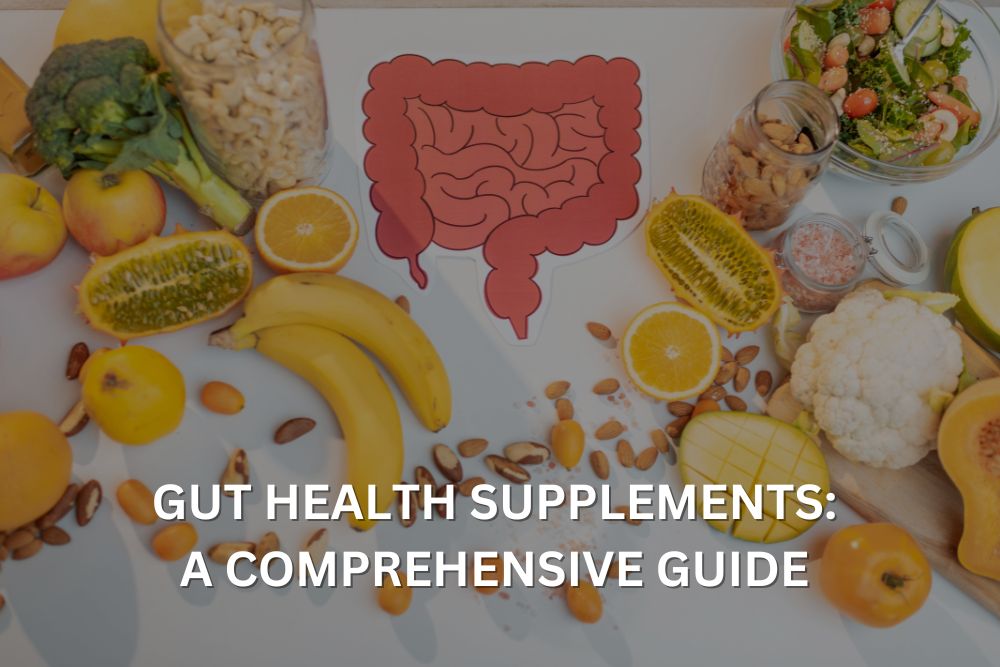
Gut Health Supplements: A Comprehensive Guide It’s everywhere! Thankfully the importance of gut health has gained significant attention in the world of nutrition and wellness and whatever you read; the gut is often referenced as being a significant contributor to the various health issues exploding around the world. I work as a registered dietitian at 121 Dietitian and I have helped thousands of patients with their gut health. One thing that all my patients cannot believe is once they have tackled their tummy problems they have noticed that this has significantly improved their overall well-being, mood, energy, mental health, weight and more. One way many people are looking to support their gut health is through the use of supplements and who can blame them – ideally a simple quick fix! Unfortunately, this is not always the case. In this article, we’ll explore the world of gut health supplements, their potential benefits, and what to look for if you do plan to go down this route. Understanding Gut Health Before we tackle gut supplements, it’s crucial to understand what we mean by ‘gut health’. The gut, or gastrointestinal tract, is home to trillions of microorganisms collectively known as the gut microbiome. This complex ecosystem plays a vital role in digestion, immune function, and even mental health. A healthy gut microbiome has a variety of good bacteria that work well with our bodies. Common Gut Health Issues Many people turn to gut health supplements to address various digestive issues, including: Bloating Constipation Diarrhoea Irritable Bowel Syndrome (IBS) Inflammatory Bowel Disease (IBD) Coeliac Disease Histamine Intolerance Food intolerances Leaky gut syndrome Types of Gut Health Supplements There are several types of supplements that can support gut health: Probiotics Probiotics are live bacteria that, when consumed in adequate amounts, can provide health benefits. They help to maintain or improve the balance of beneficial bacteria in the gut. Common probiotic strains include Lactobacillus and Bifidobacterium species. Prebiotics Prebiotics are types of dietary fibre that feed the beneficial bacteria in your gut. Common prebiotics include inulin, fructooligosaccharides (FOS), and galactooligosaccharides (GOS). Synbiotics These are supplements that combine both probiotics and prebiotics, providing a synergistic effect. Digestive Enzymes These supplements contain enzymes that help break down food, potentially aiding digestion and nutrient absorption. L-Glutamine An amino acid that plays a crucial role in maintaining the integrity of the gut lining. Collagen While primarily known for its skin benefits, collagen may also support gut health by helping to repair the gut lining. Herbal Supplements Certain herbs like peppermint, ginger, and fennel have been traditionally used to support digestive health. Choosing a Gut Health Supplement When selecting a gut health supplement, consider the following factors: Specific Strains: For probiotics, look for supplements that list specific strains, not just species. Different strains can have different effects. CFU Count: For probiotics, check the Colony Forming Units (CFU) count. This indicates the number of viable bacteria in each dose. Shelf Stability: Some probiotics require refrigeration to maintain potency, while others are shelf-stable. Quality and Purity: Look for supplements from reputable manufacturers that undergo third-party testing. Allergens: Check for any allergens or ingredients you may be sensitive to. Form: Supplements come in various forms including capsules, powders, and liquids. Choose one that fits your lifestyle and preferences. Potential Benefits of Gut Health Supplements While research is ongoing, some potential benefits of gut health supplements include: Improved digestion Enhanced immune function Reduced inflammation Better nutrient absorption Improved mood and mental health Alleviation of certain digestive symptoms It’s important to note that while supplements can be beneficial, they should not replace a healthy diet and lifestyle. A balanced diet rich in fibre, fruits, vegetables, and fermented foods is crucial for maintaining gut health. Case Study: Liz’s Gut Health Journey To show how gut health supplements can help, let’s consider our recent client Liz. Liz visited 121 Dietitian because she had chronic bloating and irregular bowel movements. Liz had struggled with these issues for several years. She tried many over-the-counter remedies, but they did not help much. She was feeling frustrated and it was impacting her quality of life. After a thorough assessment, we discovered that Liz’s diet was low in fibre and lacked variety. She also had a history of frequent antibiotic use, which can disrupt the gut microbiome along with being perimenopausal which can also add fuel to the flames. We developed a plan that included dietary changes and the introduction of a high-quality probiotic supplement. The probiotic we chose was specific to her needs and shown to support digestive health. Liz began taking a probiotic supplement every day. She also made the important dietary changes that were recommended to her in the Gut Health Program. She increased her intake to the correct type and amount of fibre-rich foods. After 2 weeks, Liz reported a significant reduction in bloating and more regular bowel movements. She felt more energetic and noticed her mood had improved as well. By the three-month mark, Liz’s gut health had dramatically improved. She no longer experienced chronic bloating, and her bowel movements were regular and comfortable and ….no more laxatives! Liz’s case shows that gut health supplements can help improve digestive health. Better eating habits also play a big role in overall well-being. Together, they can make a significant difference. Precautions and Considerations Gut health supplements can help many people. However, it is important to use them carefully. Talk to a Professional: Before starting any new supplements, it’s smart to talk with a healthcare professional. This is especially important if you have health conditions or take medications. Start Slowly: When you begin taking probiotics or gut health supplements, start with a low dose. Gradually increase the dose to help your body adjust. Be Patient: It can take time to see the effects of gut health supplements. Give it at least a few weeks before assessing their impact. Monitor Your Response: Pay attention to how your body responds to the supplements. If you experience any adverse effects, discontinue use and
Gut Health Course
The 121 Gut Health Course Transform Your Gut Health in Just 10 Days with Expert Guidance! We have the program to fix you… watch our free intro video to start your journey to better wellness today. Join now and begin your journey to feeling your best! sIGN UP TODAY As a specialist dietitian with 30 years of experience, I’ve seen firsthand how debilitating gut issues can be, especially when conventional tests don’t reveal the problem. That’s why I created the 121Dietitian Gut Health Course. Through my step-by-step process, I’ve helped thousands regain control over their digestive health, and I’m confident I can help you too. Are You Still Suffering from These Unresolved Gut Issues? You’ve had all the tests, seen the specialists, and yet, your gut issues persist—abdominal pain, bloating, constipation, and more. It’s frustrating and exhausting. But you don’t have to live like this. The 121Dietitian Gut Health Course is designed to resolve your symptoms, improve your energy, and restore your quality of life. Here’s How the 121 Gut Health Course Will Transform Your Life Resolve gut issues like bloating, constipation, and reflux in as little as 10 days. Improve energy, mood, and mental clarity. Support weight management through better digestive health. Learn lifelong strategies to maintain optimal gut health. Gain the confidence of expert-guided, science-backed solutions. Don’t wait—start feeling better today! sIGN UP TODAY What You’ll Get with the 121 Dietitian Gut Health Course 12 expert-led video tutorials from Gillian Killiner. Written guides, recipes, and shopping lists. Self-paced modules, completed in the comfort of your home. Step-by-step support, including an elimination and reintroduction phase. Join today and reclaim your gut health! sIGN UP TODAY The full program is available for £397, but act fast to claim your £100 early bird discount—bringing the cost to just £297! Limited-Time Offer! This offer won’t last forever. With limited spots and special pricing, now is the time to take control of your gut health. Most symptoms resolve within 10 days, so the sooner you start, the sooner you’ll feel better. Sign up now before this offer disappears! sIGN UP TODAY Hear from our clients I was referred to Gillian by my niece and I had already experienced multiple gut issues , bloating ,indigestion and Gastritis as well as having to try to eradicate H Pylori followed by Duodenoscopy and Colonoscopy procedures . I was at my wits end with Doctors who just kept writing scripts ,passing me from pillar to post. I met face to face with Gillian who drew up a personalised programme for me involving FODMAPS and her input over the past few months has been invaluable , informative and extremely helpful .Within 2 weeks ,I felt much better and I have to say I really wish I had made an appointment with Gillian in the first instance as I honestly believe my gut issues would have been resolved a lot sooner .I cannot recommend Gillian enough !! Gabriel Reynolds Google Review Many thanks to Gillian at 121 Dietitian for her knowledge and expertise in helping me with a recently diagnosed condition. Gillian took the time to understand my diet, assess my condition and then created a bespoke plan to help and improve my symptoms. Gillian opened my eyes to no/low histamines and FODMAPS and has changed my diet forever, not to mention helping with my condition. Highly recommended. Mark Deaney Google Reviews I cannot recommend Gillian enough. I got in touch after struggling to lose weight due to PCOS and suffering from IBS. I also wanted help with fertility issues stemming from my PCOS. Thanks to Gillian, my IBS symptoms have massively reduced, and I have been able to lose a significant amount of weight. Her warmth makes you feel instantly comfortable and at ease. Gillian’s help and expertise is second to none, and she is always on hand to answer any questions. I am throughly enjoying the plan Gillian created for me and have found it easy to integrate into my everyday life. I am so grateful for the positive impact her plan has had on me. After following Gillian’s plan for less than 6 months, I fell pregnant naturally, something I wasn’t sure would ever be possible due to my PCOS. I gave birth to a healthy baby boy in November 2023. I am so truly grateful to Gillian for her expert knowledge and help, as I believe she helped to make this possible, Kirsten McBurney Google Review Join the thousands who’ve transformed their gut health! sIGN UP TODAY The 121 Dietitian Gut Health Course is your solution to chronic gut problems. With expert guidance, a proven structure, and long-lasting results, you’ll finally feel the relief you’ve been searching for. FAQ’S How long will the program take? The full course is 3 months, but most symptoms improve within the first 10 days. Do I need any special equipment? No special equipment is needed; just access to the internet for the videos and guides. What if I don’t see results? The program is designed for success. If you follow the steps, you should see improvement quickly. Is there a payment plan? Yes, the program is available for £397 with an early bird discount of £100, bringing the cost to £297. Don’t wait—transform your gut health now! sIGN UP TODAY
9 Worst Foods for Gut Health
9 Worst Foods for Gut Health Not many people reaslse that our gut health plays a crucial role in our overall wellbeing, affecting everything from our digestion to our immune system and even our mental health. While many foods can support a healthy gut, others can have a detrimental effect. Here at 121Dietitian, we address the whole body so when it comes to your unique symptoms you not only have these resolved but feel amazing too. So you can stay tip-top, this article explores the 9 worst foods for gut health and why they might be causing problems for your digestive system. Ultra-Processed Foods Ultra-processed foods are perhaps the biggest culprits when it comes to poor gut health. These are foods that have been heavily modified from their original state and often contain a long list of unhealthy ingredients, many of which you might struggle to pronounce. Examples of ultra-processed foods (shop-bought) include: Fizzy drinks Crisps and savoury snacks Mass-produced bread Sugary breakfast cereals Biscuits and cakes Instant noodles and soups These foods are typically high in processed sugar, unhealthy fats, and artificial additives, while being low in fibre and essential nutrients. They can disrupt the balance of good bacteria in your gut, leading to inflammation and digestive issues. Moreover, ultra-processed foods often contain emulsifiers, which are additives used to improve texture and shelf life. Some studies suggest that these emulsifiers can negatively affect the gut microbiome and potentially contribute to conditions like inflammatory bowel disease. 2. Fried Foods While the occasional portion of chips might be a treat, regularly consuming fried foods can wreak havoc on your gut health. Foods that are deep-fried, such as chicken nuggets, doughnuts, and chips, are often cooked in oils that are high in omega-6 fatty acids. While some omega-6 is necessary for health, an excess can lead to inflammation in the body, including in the gut. Our current intake of Omega 6 to Omega 3 ratio is seriously out of range. Currently Omega 6 to Omega 3 ratio = 16:1 when it should be 4:1 Furthermore, the process of deep-frying creates compounds called advanced glycation end products (AGEs), which can damage the gut lining and contribute to inflammation. 3. Artificial Sweeteners Many people turn to artificial sweeteners as a way to reduce their sugar intake, but these substances might not be doing your gut any favours. While research is ongoing, some studies suggest that artificial sweeteners can negatively affect the balance of bacteria in your gut. Common artificial sweeteners include: Aspartame Sucralose Saccharin These sweeteners pass through your digestive system largely undigested, but they may interact with the bacteria in your gut in ways we don’t fully understand yet. Some research indicates that they might increase the number of bacteria associated with metabolic diseases. 4. Red and Processed Meats While lean meats can be part of a healthy diet, excessive consumption of red and processed meats has been linked to various health issues, including problems with gut health. Processed meats, such as bacon, sausages, and deli meats, often contain preservatives and additives that can irritate the gut lining. They’re also typically high in saturated fat, which can promote inflammation in the body. Red meat, when consumed in large quantities, can also have negative effects on gut health. It contains a compound called L-carnitine, which some gut bacteria convert into a substance called TMAO (trimethylamine N-oxide). High levels of TMAO have been associated with an increased risk of heart disease and other health problems. 5. High-Sugar Foods Foods high in refined sugar can be particularly problematic for gut health. Excessive sugar consumption can feed harmful bacteria and yeast in the gut, leading to an imbalance in the microbiome. Some high-sugar foods to be wary of include: Sweets and chocolates Sugary drinks Many breakfast cereals Flavoured yoghurts Baked goods Sugar can also contribute to inflammation in the gut and may increase intestinal permeability, sometimes referred to as “leaky gut”. 6. Alcohol While the occasional drink might not cause significant harm, excessive alcohol consumption can have serious negative effects on gut health. Alcohol can irritate the lining of the gut, potentially leading to increased permeability. Moreover, alcohol can disrupt the balance of bacteria in the gut, potentially leading to an overgrowth of harmful bacteria. It can also interfere with the production of digestive enzymes, making it harder for your body to break down and absorb nutrients from food. 7. Dairy Products (for some people) While dairy isn’t inherently bad for everyone’s gut health, it can cause significant problems for people who are lactose intolerant or have a dairy sensitivity. Lactose intolerance occurs when the body doesn’t produce enough of the enzyme lactase to break down the sugar (lactose) in dairy products. For these individuals, consuming dairy can lead to symptoms like bloating, gas, and diarrhoea. Even for those without a diagnosed intolerance, some people find that reducing dairy intake improves their digestive comfort. 8. Gluten-Containing Foods (for some people) Similar to dairy, gluten-containing foods aren’t necessarily bad for everyone’s gut health. However, for people with coeliac disease or non-coeliac gluten sensitivity, these foods can cause significant gut issues. Gluten is a protein found in wheat, barley, and rye. For people with coeliac disease, consuming gluten triggers an immune response that damages the lining of the small intestine. Even for those without coeliac disease, some people find that they digest food more comfortably when they reduce their gluten intake. 9. Caffeine While many of us rely on our morning coffee to get going, excessive caffeine consumption can have negative effects on gut health. Caffeine can increase acid production in the stomach, which may lead to heartburn or acid reflux in some people. Moreover, caffeine has a laxative effect, which can be problematic for people with certain digestive issues. It can also interfere with the absorption of certain nutrients, particularly iron. Overall, it’s worth noting that everyone’s gut is different, and what causes problems for one person might be fine for another. The key is to pay
Fixing Metabolism
Fixing Metabolism Programme what is metabolism What Is Metabolisim Metabolism is how your body changes the food you eat into energy. This energy helps your body do everything—like walking, thinking, breathing, and growing. Without metabolism, your body would not be able to work properly There are two main parts of metabolism. The first part is catabolism. This is when your body breaks down food like carbohydrates, fats, and proteins to release energy. The second part is anabolism. This is when your body uses that energy to build and repair things like muscles, cells, and tissues. Even when you are not moving—like when you are sitting or sleeping—your body still needs energy. It uses this energy to keep your heart beating, your brain working, and your breathing steady. This basic energy use is called your Basal Metabolic Rate (BMR). Everyone’s BMR is different. It depends on your age, how much muscle you have, your body size, and your hormones. Metabolic Syndrome: Treatment & Reversal Metabolic syndrome is not just one problem. It is a group of health issues that happen together. These include high blood sugar, high blood pressure, extra fat around the belly, high levels of triglycerides (a type of fat in the blood), and low levels of good cholesterol (HDL). Having these problems at the same time can make you more likely to get serious illnesses like diabetes and heart disease. The good news is that metabolic syndrome can be improved—and even reversed—with healthy changes. One of the best ways to fix it is by following a low-carb or Mediterranean diet. These diets help lower blood sugar and improve the way your body uses insulin. Adding more fiber-rich foods like chia seeds, beans, and avocados also helps keep your blood sugar steady. It’s important to stay away from sugary foods, white bread, and anything with trans fats. Regular exercise is another key step. Moving your body every day can make your cells more sensitive to insulin, which helps control blood sugar. Try walking, jogging, or lifting light weights. Managing stress is just as important. When you are stressed, your body makes more cortisol, a hormone that can make your blood sugar and belly fat worse. Try deep breathing, prayer, or peaceful hobbies to feel calm. If your problem doesn’t improve after following these steps, don’t worry. You should contact our dietitian directly. Feel Better Fast: Fix Fatigue, Mood & Weight with Our 2025Program Our highly effective programme launced in 2023 goes above and beyond expectations! This remarkable solution is designed to not only address your fatigue, feeling cold, poor sleep, low mood, low energy and low metabolic symptoms but also tackle your ongoing weight concerns with unparalleled success. We understand the frustration of individuals who have experienced stubborn weight loss and encountered low metabolic issues each time they embarked on a healthy regimen. You may be suffering from additional stress, or autoimmune conditions that add to your burden. With just four transformative sessions, (no need to drag your recovery out) you will witness a remarkable improvement in both your metabolic health and weight management journey. Imagine finally being able to bid farewell to those persistent problems while achieving your desired weight goals – it’s truly a win-win situation! Moreover, this comprehensive programme not only guarantees long-lasting results but also saves you valuable financial resources along the way. So why wait any longer? Say goodbye to the never-ending cycle of ill health hindering your progress and embrace this life-changing opportunity. Take charge of your health and achieve optimal well-being once and for all – there’s simply nothing not to like about it! The Metabolic Fixing Program The metabolic fixing programme is a detailed 8-hour programme designed by Gillian Killiner BSc. (Hons) PgDip. MSc. RD to understand and address your metabolic health concerns. Prior to your initial appointment, you will have completed your background questionnaire and food, fluid, activity, sleep and symptoms diary. This information is essential to assist the 1-hour consultation, which can be online or in our clinic and allows our specialist Dietitian to dive deep into your diet and health. An in-depth personalised programme will then be created for you which can take 3-4 hours after your initial 1-hour appointment to write up. This will then be provided along with many recipes, a shopping list, and if necessary a request for blood testing. A further 3 reviews and write-ups are included. This will all be based on the information provided and consultations as you progress. If supplements are required these will be recommended also. The bespoke protocols will be provided within the portal for you to follow for a set number of weeks. You will then be booked for 30-minute review appointments at intervals as part of the programme to reassess, ensure symptoms are improving along with overall wellness and complete the next step of the programme. Further written information and guidance will be included and sent after your review appointment. We have helped thousands of patients resolve their diet-related health symptoms and look forward to assisting you with addressing your diet, metabolism and overall health. We look forward to assisting you. Book Now
Exploring the Zoe App Program the Pros and Cons

Exploring the Zoe App Program – the pros and cons In the era of digital health, the ZOE App Program, co-founded by Tim Spector, has emerged as a prominent player in personalized nutrition. With nearly cult-like status among its 130,000 subscribers, this nutrition service offers a tailored approach to optimizing health through its innovative app-based platform. In this comprehensive review Abby Olu-Sholanke one of our specialist Associate Dietitians, delves into the intricacies of the ZOE Programme, its product offerings, effectiveness, pros and cons, and compare it with the services provided by specialist dietitians. What exactly is Zoe? Zoe analyses your blood and faecal samples to provide insights about your gut microbiome, such as the diversity of gut and bowel bacteria and your ability to digest fats and sugars. Zoe App sounds interesting – what Next? The ZOE membership: There are three membership tiers, which automatically renew unless you request a cancellation. You have to buy the test and the monthly membership as a package they are not available to purchase seperately. The Membership categories are: £24.99 per month for a 12-month membership, plus £299.99 for testing. Membership paid in one payment of £299.88, billed when you can see your ZOE Scores in the app = £599 £39.99 per month for a four-month membership, plus £299.99 for testing. Membership paid in one payment of £159.96, billed when you can see your ZOE Scores in the app =£439 £59.99 per month for a rolling monthly membership, plus £299.99 for testing = £899. What’s in the Zoe App Kit? The ZOE test kit: Gut health kit: A kit to collect a stool sample at home, to send off for analysis. The stool is examined to see the diversity of the gut microbiome – essentially the good and not so good microbes living in the stools. This is linked with health issues such as digestive system, immune response and mental health. Blood fat test: A small sample of blood collected via finger prick is sent for blood fat analysis. This measures how quickly fat is cleared from the blood after a meal. This is a risk factor indicator of developing heart disease and chronic inflammation. Blood sugar sensor: A round yellow disk that the user sticks to their arm and wears for 14 days. There is a tiny needle that measures the glucose from the fluid beneath the skin. This allows the app to gain real-time insights of how blood sugar levels fluctuate, per food eaten. Breakfast and lunch cookies to be consumed on a specific test day – these test out the blood sugar and blood fat results, as well as measuring the speed of users’ digestion and gastric emptying. (the diagram below illustrates the process and used from the zoe website) Zoe Cookies?? So what are these cookies?? As we can see from the Zoe kit content, cookies are consumed…. According to the information on their website, the test cookies were specifically designed by scientists to enable users to test their biological responses. The purpose of the cookies is to challenge the metabolism with high doses of fat and sugar over 6 hours. To be able to package the necessary amounts of nutrients in the challenge in a standardised way, they used cookies. Breakfast Test Cookie Ingredients: White chocolate chips (cocoa butter, cane sugar, tapioca starch, rice syrup solids, rice maltodextrin, organic vanilla and salt) Flour blend (brown rice flour, sweet rice flour, tapioca starch, cornstarch, potato starch, stabiliser (xanthan gum)) Palm oil Brown sugar Chickpea flour Tapioca starch Tapioca syrup Less than 2% of: water, vanilla bean extractives, salt Lunch Test Cookie Ingredients: Flour blend (brown rice flour, sweet rice flour, tapioca starch, cornstarch, potato starch, stabiliser (xanthan gum)) Brown sugar Chickpea flour Tapioca starch Less than 2% of: water tapioca syrup vanilla bean extractives salt Colour: FD&C Blue #1 (Brilliant Blue FCF) Raising agent: Baking powder (sodium acid pyrophosphate, sodium bicarbonate, cornstarch, monocalcium phosphate)) Allergens in Zoe cookies -free from Gluten Milk Egg Fish and shellfish Peanut and tree nut Soy Wheat Made in a facility handles the following : not suitable Tree Nuts Peanuts Wheat Eggs Zoe App Diet Test Day When it comes to eating the cookies on test day, testers need to fast the morning of the test – that means nothing to eat or drink, except water, black tea or coffee. The specific breakfast cookies need to be eaten within 15 minutes, and then a four hour fast follows, before consuming the lunch cookies. This can have implications for people who are on medications or diabetic. Effectiveness According to reviews on the ZOE website, users said they feel the changes in their energy levels after around 4 weeks. A statistic on the website states 84% of users feel healthier after 12 weeks. Another article in Forbes, says 70 percent of ZOE members report having more energy. Good Food website states that there is so much information on the ZOE app as well as useful tricks to optimise what you eat, that you’re bound to gain tips that you can stick to in the long term. Interestingly when you look at the stats for changing your diet to healthier choices this outcome is not unique to ZOE diet and achievable with guidance from a Dietitian. The Pros and Cons of ZOE app Pros ZOE is based on advice around monitoring blood sugar, blood fat and gut health. Provides helpful tips on minimising bad foods and useful tricks you can stick to long term. Contains a kit that has a blood sugar monitor, blood fat test, stool sample test and some food to test your gut transit time in the comfort of your home. The programme prides itself on helping users make healthy food choices and knowing how certain foods can impact their blood sugars and gut health. The ZOE app produces a score from 0-100, based on food choices. The program offers several articles and information of healthy eating It is a novel way of testing
Revolutionizing Gamer Health: A Guide to Gastrointestinal Wellness Through Diet and Lifestyle

Gamers, Listen up! It’s time to level up your health game..Gillian Killiner is on a mission