121 Dietitian

PCOS – Assisting Women with PCOS through Nutrition and Lifestyle

PCOS and Diet

PCOS affects 1 in 10 women. As a seasoned Consultant Dietitian with 26 years of experience, I have had the privilege of assisting numerous women on their path to improved health, fertility, and well-being. Among the many conditions I’ve encountered, Polycystic Ovary Syndrome (PCOS) has been an unexpected daily focus that is so often poorly managed, and my journey in supporting women with PCOS has been nothing short of rewarding and life-changing. Through the power of nutrition and lifestyle adjustments, I’ve witnessed heart-warming transformations in these women’s lives, culminating for some, the best health physically and mentally they could have, or for others the joyous arrival of new-born babies and thriving pregnancies. Understanding PCOS: A Complex Journey Polycystic Ovary Syndrome is a complex hormonal disorder that affects a significant number of women worldwide. The exact cause of PCOS is unknown, but it often runs in families. It’s related to abnormal hormone levels in the body, including high levels of insulin. There are a multitude of subtle and obvious symptoms. Medically identifed by irregular menstrual cycles, excessive androgen levels, and multiple fluid-filled sacs (follicles) that are seen in the ovaries around the egg stopping its release, Not all PCOS symptoms have to be present for a diagnosis. PCOS can often lead to various challenges, such as weight gain, hair loss, acne, insulin resistance, and difficulty conceiving. Acknowledging the Multifaceted Approach to PCOS Over the years, I’ve worked on addressing PCOS with a multifaceted approach and created a programme that provides ther right support. There is no one-size-fits-all solution, and each woman’s journey is unique. My approach to supporting women with PCOS involves personalized dietary strategies, lifestyle modifications, and ongoing support all tailored to suit individual needs. Click here to read more about our bespoke programmes for PCOS. The Role of Nutrition in PCOS Management Nutrition serves as the cornerstone of PCOS management, it is amazing when using the right foods how powerful they are to heal and nurture the body. Through custom-tailored plans, we guide our clients towards making informed food choices that promote hormonal balance, reduce inflammation, and support weight management. Emphasizing whole, nutrient-dense foods, and striking a balance between macronutrients is key in promoting steady blood sugar levels and curbing cravings. Nourishing Hormonal Balance in PCOS Balancing hormones lies at the heart of PCOS management. Incorporating foods that promote hormone regulation eg fatty acids, and antioxidants can be transformative. Additionally, we ask our patients to visit their GP for a list of blood tests and from this address any concerns with diet and supplements if required. We provide each patient a bespoke programme which encourages clients to address their diet with ease and enjoyment and ditch the foods that contribute to hormonal imbalances. The Low Glycemic Impact One essential aspect of our nutritional recommendations for PCOS revolves around adopting a low glycemic approach. By choosing carbohydrates that release sugar gradually into the bloodstream, we can manage insulin levels more effectively, reducing the impact of insulin resistance commonly associated with PCOS. Recipes, plans and shopping lists provided make this easy and enjoyable. Embracing a Healthy Lifestyle Beyond nutrition, lifestyle choices play a crucial role in managing PCOS and enhancing hormone regulation. Physical activity is a powerful ally, improving insulin sensitivity, and assisting weight. We work closely with clients to develop activities that are enjoyable and sustainable, ensuring they stay committed to their health goals. Stress Reduction for Hormonal Harmony Reducing stress is vital in the management of PCOS. Chronic stress can exacerbate hormonal imbalances and lead to emotional eating or unhealthy coping mechanisms. Our clients learn to manage stress and dial into their emotional well-being. Celebrating Success: Joyful Outcomes for PCOS The most gratifying aspect of my work especially is witnessing the success stories of the women I’ve supported on their PCOS journey. Many of them have overcome the odds, improved their health, and if so desired successfully conceived. It makes me so happy to see these women embark on a new chapter of their lives with confidence and vitality and if pregnancy the end goal see the new little babies I have helped become reality! Conclusion My 26-year journey as a Dietitian has been defined by my passion for empowering women with all health issues. This was really accelerated after experiening a health crisis myself see (Gillian’s story). The transformative power of nutrition and lifestyle is not to be underestimated, throwing medications at conditions may seem a good option but does not always fix the route cause. Witnessing patients triumphs and sharing in their joy as they get back in the driving seat has been a big highlight of my work. As I continue to champion the cause of women’s health, I remain committed to the pursuit of holistic and personalized solutions that nurture the body and the mind. Thankfully PCOS can be treated, and once on the correct path, the boundless potential of life and fertility that lies within every woman can be unlocked. So, what to do next or for anything else.. If you are needing help with your diet and health or anything else… we can assist you with this. Maybe you wish to change your eating habits, create a nutrition plan or need help optimising the foods you eat to assist your hormonal health or your sugar addiction and are not sure what programme to select, please do contact us. We would love to help you or your family and friends with any nutrition-related queries big or small. If you want to book your programme TODAY we would love to help you. You can book a 121 Dietitian Programme today by clicking on the link below If you have enjoyed this blog we would love you to share this with your family and friends on your social media channels. Do visit our YouTube Channel for more on keeping your health optimal. If you are interested in how I overcame my Thyroid Autoimmune Condition do check out the About section below Before you go please check out our 121 Dietitian Shop



Manage Stress to Better Manage Irritable Bowel Syndrome (IBS)

stress and IBS

What is Irritable Bowel Syndrom (IBS) and How Does Stress Impact It? Irritable Bowel Syndrome (IBS) is a common disorder of the gastrointestinal tract that affects an estimated 10-15% of people worldwide. Stress has been identified as a major factor in the onset and exacerbation of IBS symptoms and it is definitely a trigger for the patients I see at my clinic when attending one of our super successful gut health programmes. This month has been awareness month for both IBS and Stress, so I thought I would bring the two together in my final blog for this month. As previously mentioned in my previous blogs IBS and Probiotics Irritable Bowel Syndrome is characterized by abdominal pain, bloating, and changes in bowel habits. How does stress affect digestion? Studies have shown that stress can affect the way our bodies process food and how our digestive system functions, leading to an increase in abdominal pain and other IBS symptoms. Additionally, stress can cause changes in hormone levels which can further exacerbate IBS symptoms. It is important for people with IBS to take steps to reduce stress levels in order to manage their condition more effectively. The relationship between our brains and the digestive system is powerful, so it is not uncommon for changes in our emotional or psychological state to affect the way our gut works and could explain why we often feel ‘butterflies in the stomach’ when feeling anxious or stressed. The communication and feedback between the gut and the brain is known as the gut-brain axis. This network consists of two parts: The sympathetic nervous system, which manages fight-or-flight responses; and the parasympathetic nervous system, which controls repair, rest and digestion. It is believed that the enteric system functions as a third part to control the digestive system. This communication between the brain and the gut is referred to as ‘the gut-brain axis’, which helps connect emotional processes in the brain to the physical operations of our digestive system. Recent research has been able to establish the gut-brain axis, which is the connection between the two systems. Emotions can affect how your gut functions and vice versa. It’s important to note that although many digestive problems are related to mental health, not all of them are caused by Irritable Bowel Syndrome (IBS). Anxiety can manifest in various physical symptoms, such as stomach aches or changes in bowel movements. Gut Bacteria and Stress Did you know that having an imbalance in your gut bacteria is having an impact on your mental health? This is sadly not that well known, but with years of research and practice it is a major area that I have built into our programmes and is an important part of successful treatment. Certain bacteria can affect levels of anxiety or stress through activities in the digestive tract. A healthy balance of the ecosystem is necessary for our mental health and well-being, however when it is not balanced (dysbiosis) organisms like bacteria can lead to negative consequences. A recent large, most comprehensive and best-validated association study to date provides further evidence for an association between gut microbes and blood metabolites (generated by host and by microbes) in patients with Major depressive disorder (MDD). (1) They observed “that the genera Sellimonas, Eggerthella, Hungatella, and Lachnoclostridium were more abundant, while genera Ruminococcaceae…, Coprococcus, Lachnospiraceae…, Eubacterium ventriosum, Subdoligranulum, and family Ruminococcaceae were depleted in the guts of individuals with more symptoms of depression. Of these, genus Eggerthella showed statistical evidence of being involved in the causal pathway.” These microbes are involved in synthesising important neurotransmitters, such as gamma-aminobutyric acid, butyrate, glutamate, and serotonin. It is known that Butyrate can influence depression through several routes — ie, via immune regulation, genomic transcript/translation, and/or affecting energy metabolism. So this is really critical for health to ensure these pathways are optimised. 3 Tips for Identifying & Reducing Sources of Stress in Your Life Stress is a natural part of life and we all deal with it at different times in our day, week or life. It is normal and should not cause us problems. It can however become overwhelming if left unchecked. Identifying and reducing sources of stress in your life is essential for maintaining mental and physical health. There are many levels of stress and many ways to address. Here are 3 simple tips to help you identify and reduce the sources of stress in your life. One way is to take time to reflect on what is causing you stress. This could be anything from work or family pressures to financial concerns or relationship issues. Once you’ve identified the source, think about how you can reduce it. This could involve making lifestyle changes. Such as exercising more or taking up a hobby, or seeking professional help if needed. Second, get into the habit of practising mindful living by being aware of how your thoughts and actions affect your emotions and overall well-being. Taking regular breaks throughout the day to relax and refocus will help keep stress levels low. Third, set realistic goals for yourself that are achievable within a reasonable timeframe. Setting unrealistic expectations will only add more pressure and increase feelings of helplessness. Dietary Changes & Supplements that Can Help with Stress & IBS Symptoms Making changes to your diet can not only help reduce stress levels but also lessen the severity of IBS symptoms. Eating a nutrient-rich diet, and limiting processed fat and sugars is important as well as avoiding specific trigger foods. These can help reduce stress levels and improve digestion. Our 6 week elimination programme combines these all for excellent results. Additionally, certain supplements such as probiotics, omega-3 fatty acids, magnesium, vitamin B12 and zinc may be beneficial for those suffering from stress or IBS. By making key dietary changes and taking the right supplements specifically for you, you can experience improved overall health and well-being. We do a deep dive assessment for each patient that attends our practice. This allows 121 Dietitian programmes to be designed specifically for you, ensuring physical and mental health are addressed. Stress Management

Menopause Diet: The Top Nutrients You Need To Know About

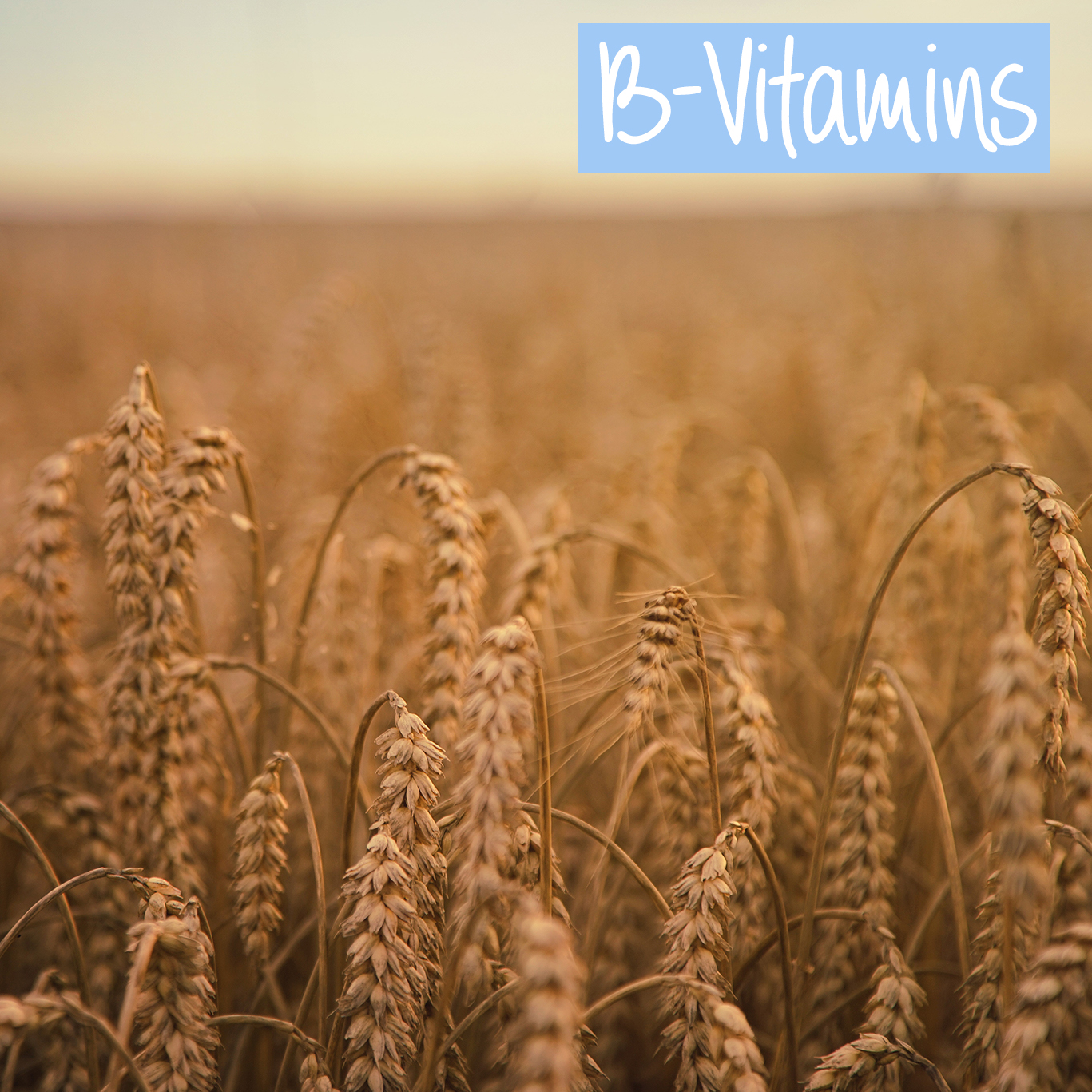
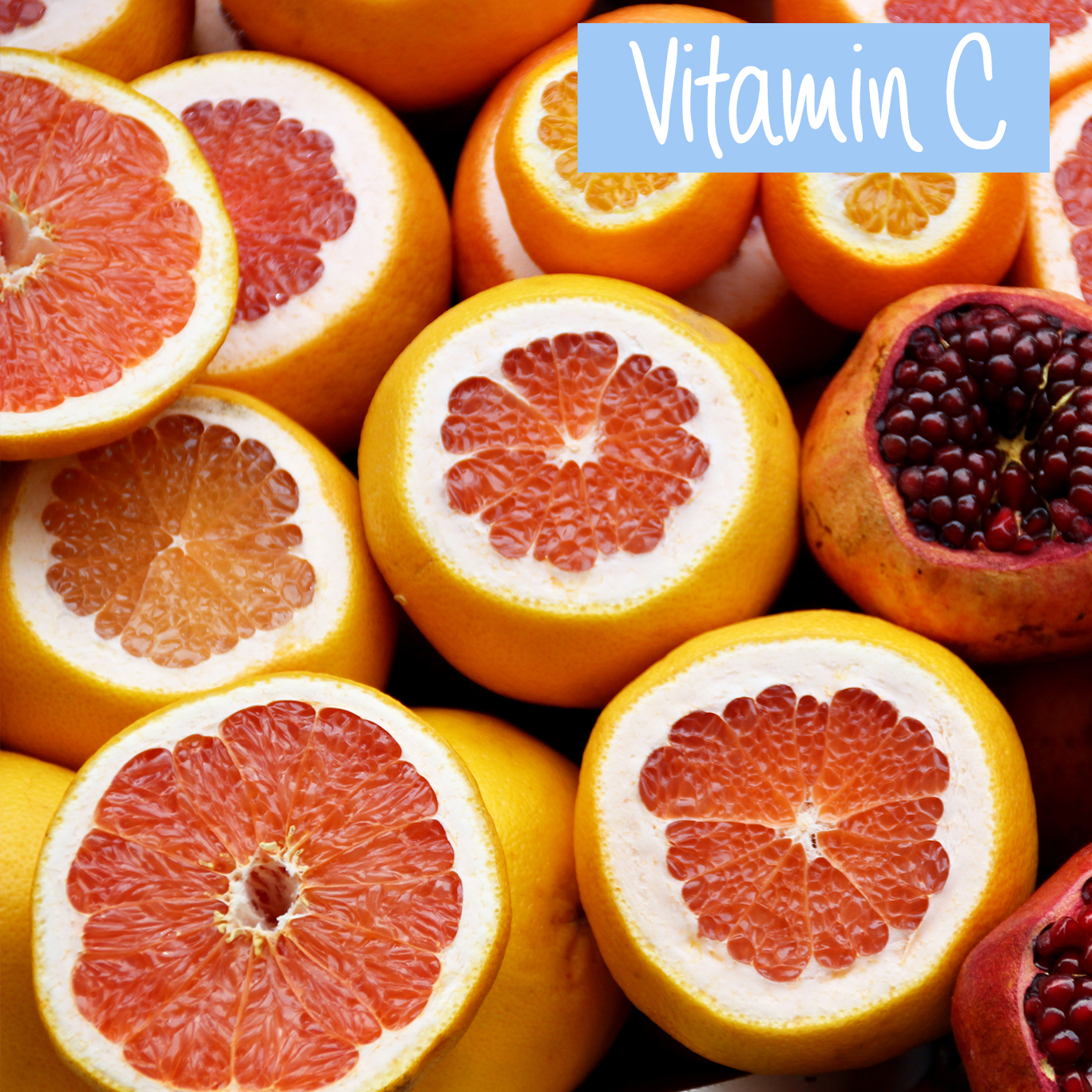
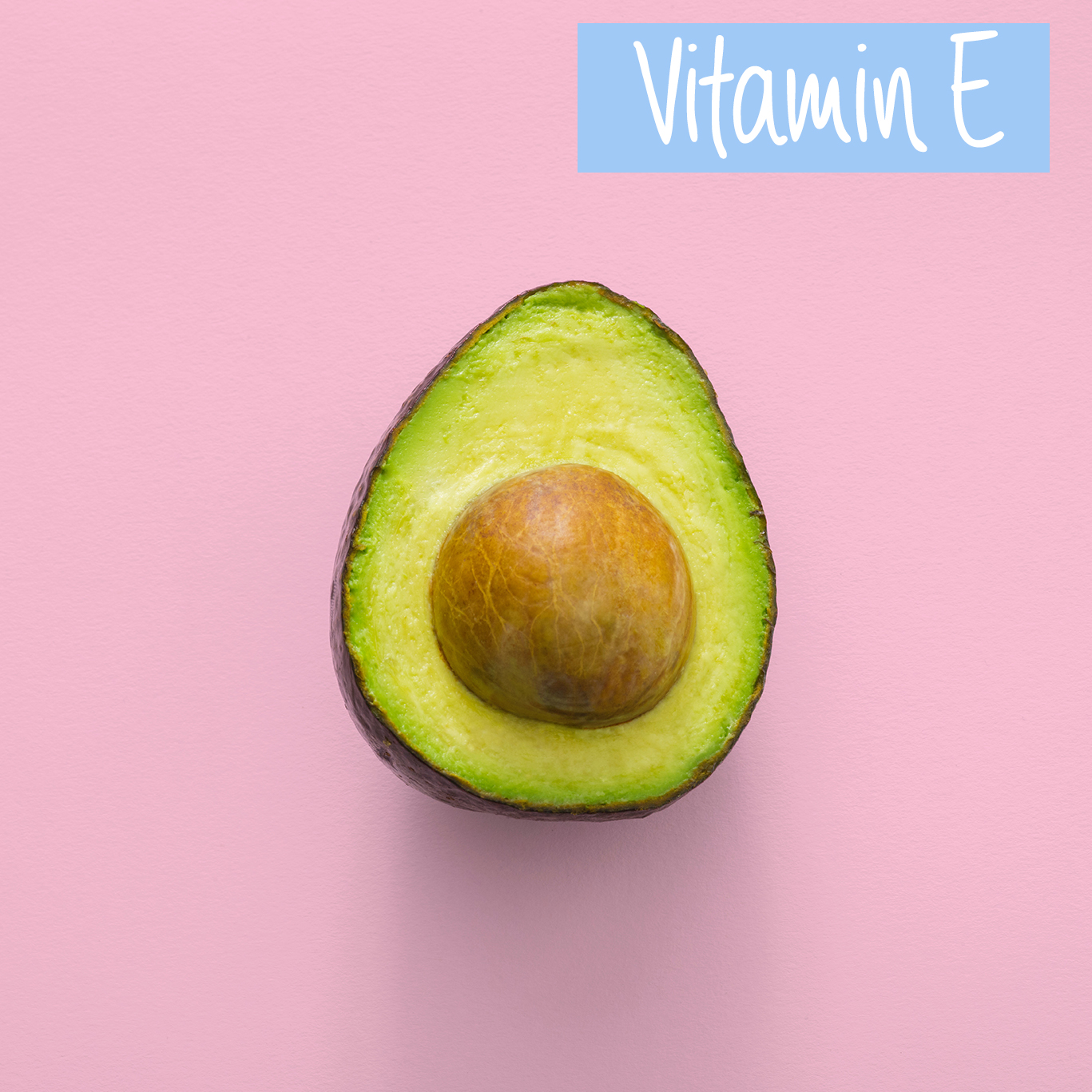
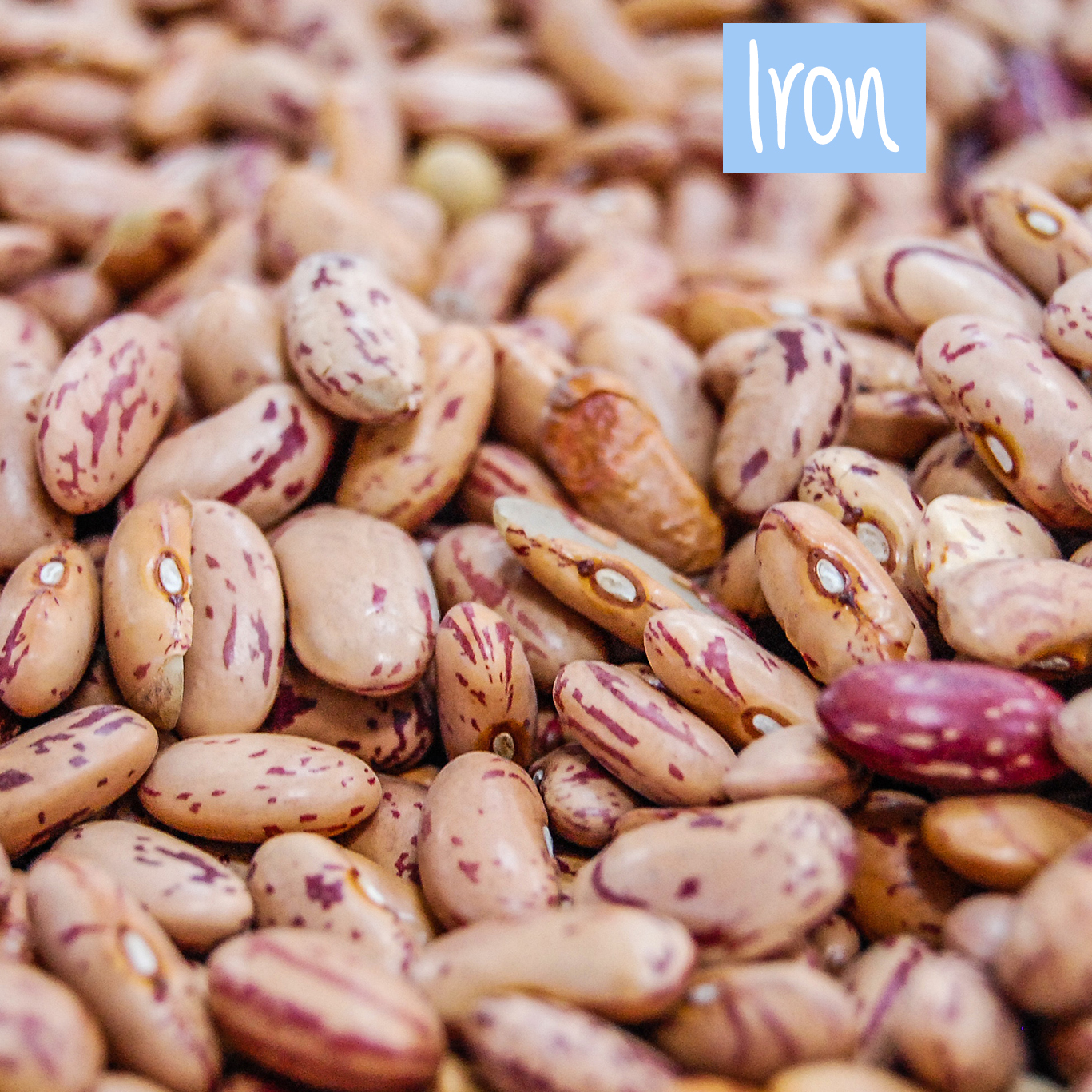
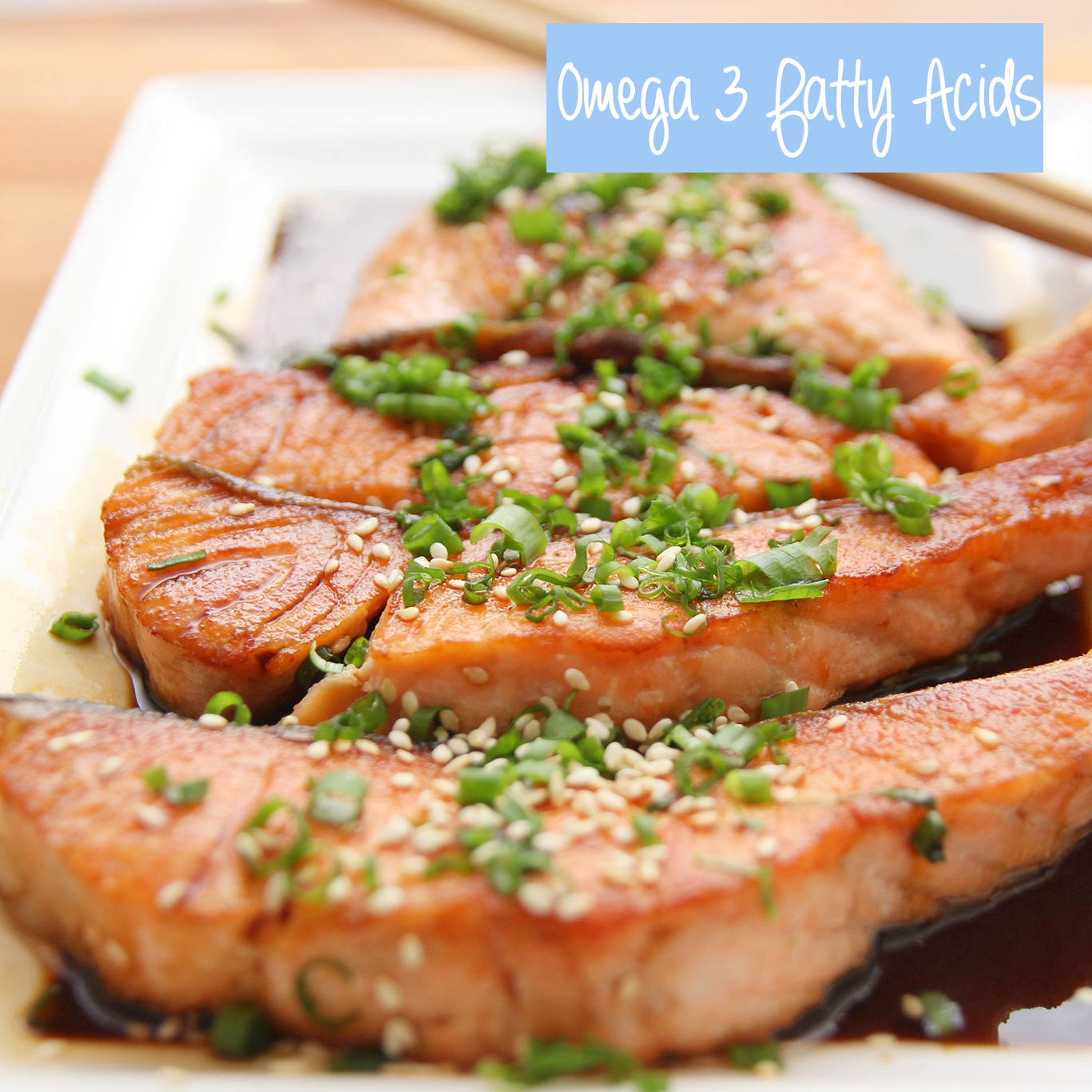
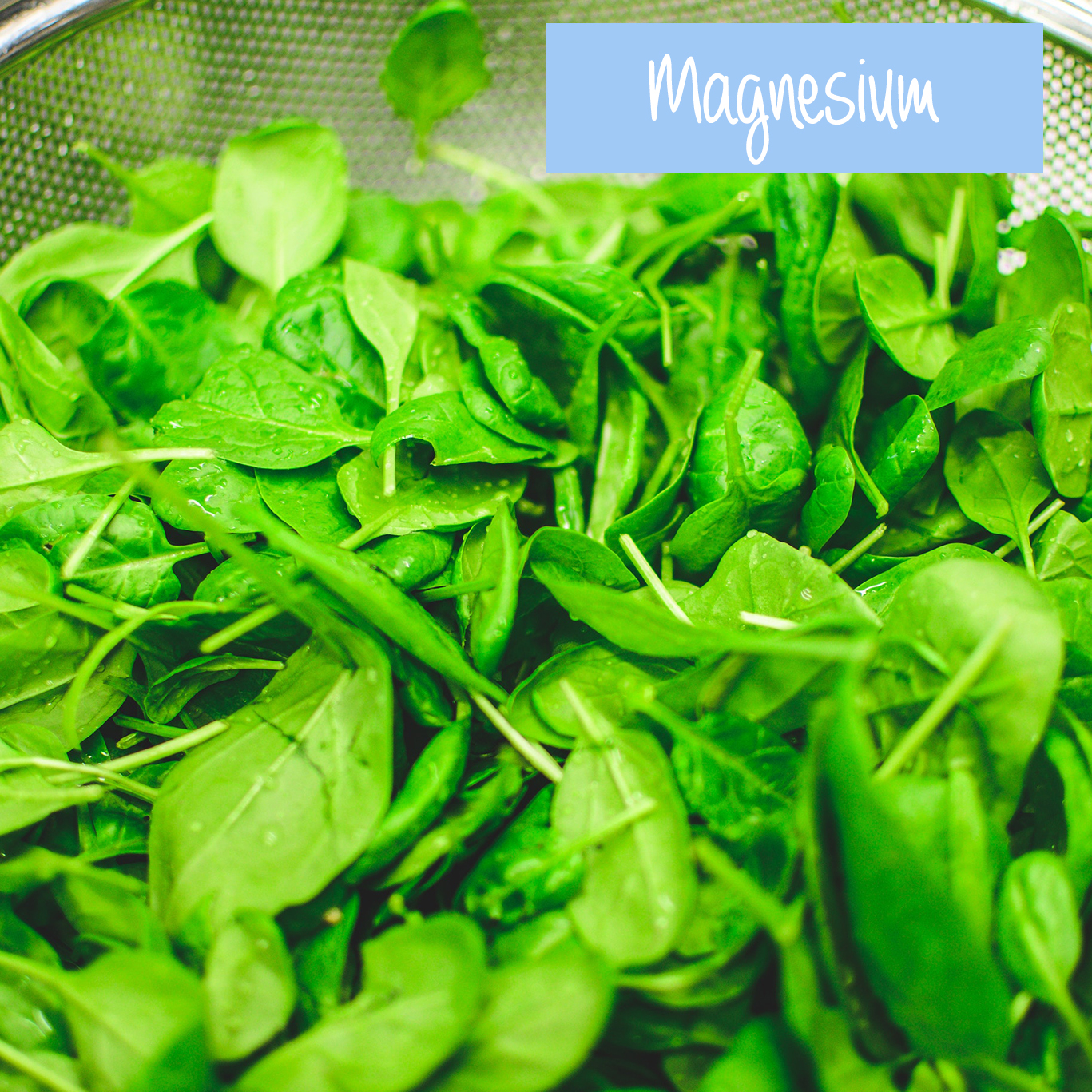
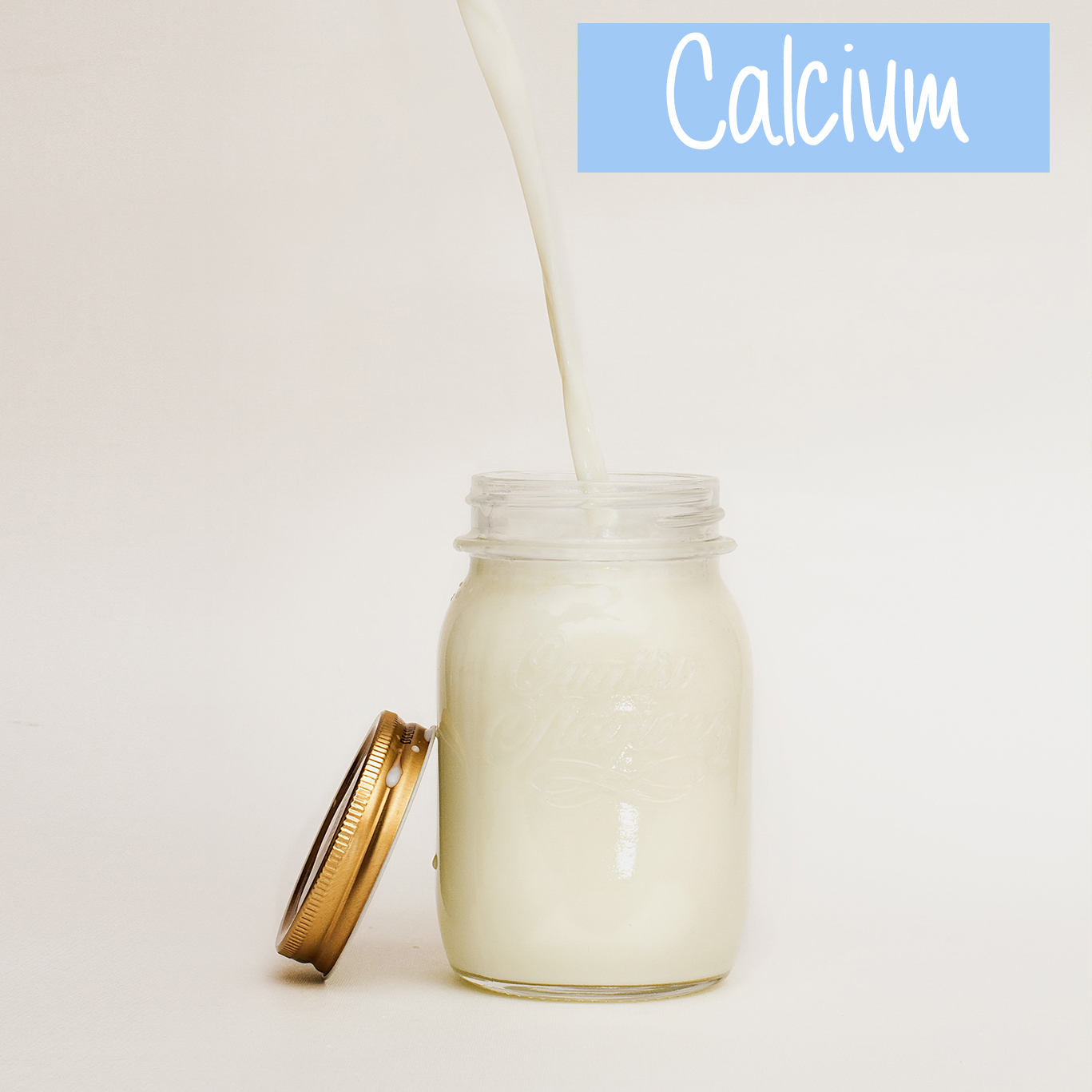
Learn all about the top nutrients to help minimise the symptoms of menopause, assist with it and also maintain healthy bones. Key nutrient are important to consider if you are going through the menopause. Whichever menopausal symptoms you experience, the change in the balance of your hormones is the cause. A well-balanced menopause diet is essential because it helps the body adjust to the hormone changes. Symptoms of the menopause can include any of the following; Tiredness Depression Low libido Vaginal dryness Hot flushes Bladder weakness Dehydrated skin Hair loss Insomnia Weight gain There are a plethora of nutrients that help minimise the symptoms and even assist the passage of menopause and also help you maintain healthy bones.  Menopause diet – nutrients that you can consider: B Vitamins B Vitamins are known as the “stress vitamins”.  This is because symptoms of B-vitamin deficiency include tension, irritability, poor concentration and anxiety. Fatigue – a common symptom of menopause – makes women feel deeply exhausted even though they haven’t done much physical activity throughout the day. B Vitamins help reduce the amount of stress on the adrenal glands, which are required to produce oestrogen during the menopause. They can be useful if you are suffering from reduced energy levels. It is important to take a complex and a formulation that you can absorb with no nasty fillers. Vitamin C Vitamin C is essential to the manufacture of collagen. Collagen provides skin its elasticity. It helps prevent and treat vaginal dryness, a painful condition which develops when the vagina loses some of its ‘stretch’. Vitamin C can be easy to miss out on if you are watching your weight and possibly on a keto or restricted diet. Vitamin D This vitamin plays a very important role in the prevention of breast cancer, heart disease, type 2 diabetes and osteoporosis. We don’t get it naturally from food in sufficient amounts so the sun or a supplement is required. Again, you really need to ensure you take a balanced amount along with other key nutrients and select the active form, Vitamin D3. Vitamin E Vitamin E is also helpful for vaginal dryness and has been proven to help reduce hot flushes. It can dampen the immune system which can be beneficial for some ladies as a short term assistant for hormonal balance. Iron Iron is required to help your red blood cells transport oxygen to the rest of the body. Men store more iron compared to women and the loss of blood each month during menstruation means that women require more iron than men. A deficiency of iron will result in anaemia, which makes you feel sluggish and tired all the time. It is really important to have a blood test to check your iron and ferritin levels as you do not want to take a supplement and potential cause iron toxicity. Omega 3 Fatty Acids Symptoms of a deficiency in Omega 3 fatty acids can include dry skin, lifeless hair, cracked nails, fatigue, depression, dry eyes, aching joints, and breast pain. Omega 3 supplements have been shown to reduce the frequency of hot flushes and improve depressive symptoms in menopausal women. Magnesium Magnesium plays a vital role in 300 different enzymatic functions. It is essential in maintaining optimum bone health, which is increasingly important during the menopause.  Known as “nature’s tranquiliser”, magnesium supplementation assists mood and anxiety. Picking the correct formulation for your symptoms is critical for success. Calcium Calcium is needed by the body to maintain bones, teeth, nails and hair. It is also required for healthy heart rhythm and blood pressure. To minimise the symptoms of menopause and maintain healthy bone mass, make sure to supply your body with these nutrients throughout the day. Dairy foods have become increasingly common to be eliminated from the diet of women for various reasons which can unfortunately leave ladies in deficit. Kale, spinach and tofu, are some examples of calcium rich non-dairy foods. These nuggets are just a few simple suggestions for a menopause diet. Dietary and lifestyle changes are integral in the stages of menopause. If you wish to explore this further Gillian Killiner is a dietary expert and lifestyle coach. She has helped thousands of women over her 22 years as a Dietitian. She would be delighted to help you… For more medical information on the menopause If you are unsure of how to change your eating habits, or need help optimising the foods you eat please do contact us. We would love to help you or your family and friends with any nutrition related queries big or small. In the meantime do please check out our 121Dietitian Shop If you have enjoyed this blog we would love you to share this with your family and friends on your social media channels. Why not visit our YouTube Channel for more on keeping your health optimal. How can a Dietitian help Book a consultation via our Online Portal About Gillian Killiner  Check out our tailored dietary programmes Gillian x [instagram-feed] Revised 27th December 2022
Immune nutrition -9 tips to boost your immunity

With the autumn and winter months generally considered a time of coughs, sneezes, colds and flus, we take a look at what exactly is the immune system and what you can do at this time of year to fine tune it with immune nutrition tips. So what exactly is the immune system? Quite simply, it is a system which requires harmony and balance. Every part of the body functions better when protected from environmental, emotional and nutritional stress. As it is a complex system, research is ongoing but generally the advice to keep it in tip top shape, is to adopt an overall healthy living strategy. On the whole, your immune system does a remarkable job of defending you against disease-causing microorganisms. But sometimes it fails: a germ invades successfully and makes you sick. And in autumn and winter months, there is a greater risk of this happening. Why is immunity lower in winter? There are various reasons why our immunity is lower at this time of year. The temperature drops and so we turn up the heat and stay indoors. Bacteria thrive in our heated/enclosed environments, allowing more germs breading, so much easier to catch a cold or flu. With less sunlight our vitamin D stores drop too with it no longer being available for its protective effect. Our bodies also need an increase in vitamin C, so we need to stay topped up daily as Vitamin C is water soluble and is not stored in the body. However be careful if considering a Vitamin C supplement. Ascorbic acid is not as good as one may think due to its longer term negative effect on copper metabolism. Can I do anything to boost my immune system with Nutrition? Thankfully, yes! To keep a strong and balanced immune system to stay healthy and avoid infections this autumn and winter, follow these top tips: Give your immune system a real fighting chance this winter by being mindful of your intake of vitamins A, C, D and E, as well as minerals selenium and zinc and Omega 3s. The best way to do this is to eat whole foods, such as quality animal protein, whole grains, nuts and seeds and plenty of fresh fruits and vegetables. The darker days and colder weather often comes with a desire to comfort eat but we recommend avoiding processed meats, fried foods, soft drinks and processed baked goods, as consuming too much of these can suppress the immune system and cause low-level inflammation. Getting more vitamin C in your diet is easier than you might think. Upping you intake of fresh fruit and vegetables is the most convenient way to do so, opting for good sources such as berries, citrus, kiwi, bell peppers, and dark green vegetables. Boost immunity by adding herbs and spices while cooking. Onions, garlic, ginger, black peppercorn, cayenne pepper, allspice, curry and turmeric are great! While hot drinks might be your preference, don’t neglect fresh water. Water helps in the production of lymph, which carries white blood cells and other immune system cells. So make sure you get your recommended 2 litres per day. By this we mean sleep! The body rejuvenates and strengthens when it’s sleeping so aim for 7 to 8 hours at night. Plus, you’ll also feel more revived the next day. Try to include as many of the golden hours of sleep 10pm-2am. Winter is the perfect season for porridge! There’s nothing quite like kick starting your day with a warm bowlful on a cold morning and it also helps boost your intake of starchy foods and fibre. Plus, with porridge helping you feel fuller for longer, it will curb your temptation to snack on unhealthy foods. You’ll get extra bonus points if you top with fresh fruit or nuts. If you like it sweet, swap the sugar for cinnamon. Keep an eye on the blog over the next few weeks as we’ll be sharing lots of immune boosting recipes. Not only will you improve your fitness, exercise boosts immunity and improves sleep quality. As little as a 30 minute brisk walk each day has positive effects. Vitamin D stores drop in winter so catching some rays when you can is essential. Vitamin D strengthens our immune system so getting outside when you can is important. For dietary intake, boost immunity with fatty fish and if deficient you are recommended to take a daily Vitamin D3 supplement. As chronic stress and depression can weaken the immune system, which in turn makes our bodies more vulnerable to illness, it’s important to take part in activities which lower your stress levels, so make sure you have some fun this winter! There are, as always, many more nutritional additions or changes that may help you. These are only a snapshot. If you are unsure of how to change your eating habits, or need help optimising the foods you eat please do contact us. We would love to help you or your family and friends with any nutrition related queries big or small. In the meantime do please check out our 121Dietitian Shop If you have enjoyed this blog we would love you to share this with your family and friends on your social media channels. Why not visit our YouTube Channel for more on keeping your health optimal. How can a Dietitian help Book a consultation via our Online Portal About Gillian Killiner  Check out our tailored dietary programmes Gillian x [instagram-feed] Information checked & correct on 16th May 2018, December 2022.